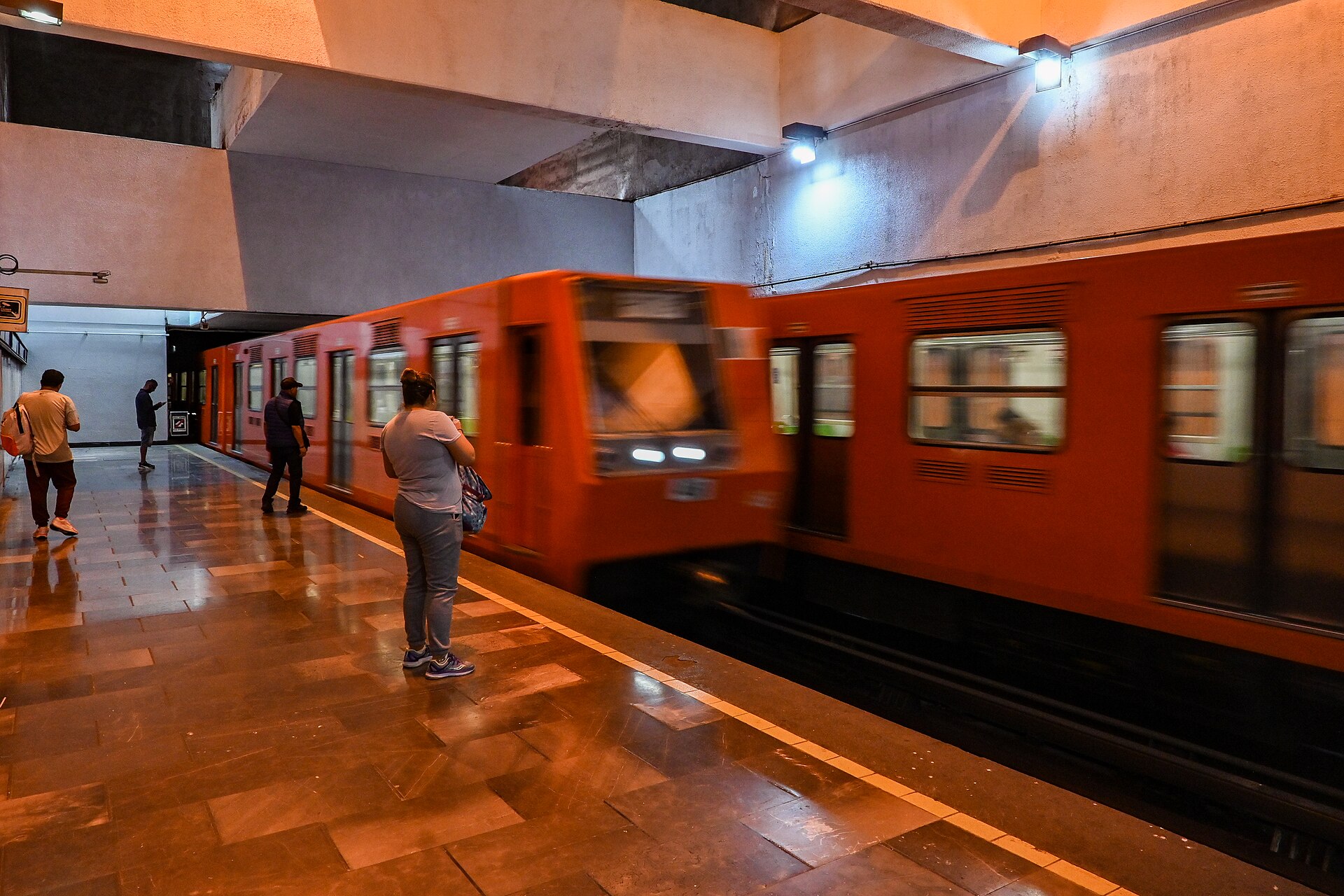
Most trips to this city go wrong in the same two ways. People book a Monday morning at the Museo Nacional de Antropología, which is closed. And they put Coyoacán and the Centro Histórico in the same afternoon, which on paper is eleven kilometres and in practice is most of your day. A good Mexico City itinerary is not a list of sights in an attractive order. It is a list of sights grouped so that you cross the city as few times as possible, arranged around the handful of opening rules that this city genuinely enforces.
This page compares itineraries by length — one day up to ten — so you can see what each duration actually buys you and what it forces you to drop. It gives you one fully worked three-day spine to build from, the reservation order for everything that has to be booked before you leave home, honest travel-time buffers between the districts, and a swap list for when a museum turns out to be shut. The detailed day-by-day routes for each length live on their own pages and are being published to this section.
The short answer: how many days do you need?
| Length | What you realistically cover | What you give up | Suits |
|---|---|---|---|
| 1 day | Centro Histórico only, on foot | Everything else | Layovers, business trips with an afternoon free |
| 2 days | Centro plus Chapultepec and Antropología | Teotihuacán, Xochimilco, Coyoacán | A weekend bolted onto a beach trip |
| 3 days | Centro, Chapultepec, and one day trip | Depth, markets, the south | Most first-time visitors. The honest minimum. |
| 4 days | The above plus Coyoacán and the Casa Azul | Xochimilco, or a slower pace | First visits that want to breathe |
| 5 days | Everything on the standard list, comfortably | Very little | The sweet spot. If you can take five, take five. |
| 7 days | All of it, plus markets, murals, a second day trip, and evenings | Nothing you will regret | People who want to like the city rather than tick it |
| 10+ days | The city as a base, with Puebla, Tepoztlán or Cuernavaca folded in | Nothing | Slow travellers, repeat visitors, remote workers |
If you want the one-line version: three days is the minimum that does not feel like a raid, five is the length the city is actually built for, and anything past seven starts being a different kind of trip — less sightseeing, more living. Almost nobody regrets adding a day here. A great many people regret cramming.
The five rules every itinerary here has to be built around
Get these wrong and no amount of clever routing saves you.
1. Monday closes most of the city’s museums
The Museo Nacional de Antropología, the Templo Mayor, Chapultepec Castle, the Museo Frida Kahlo, the Palacio Nacional and the Museo del Palacio de Bellas Artes all close on Mondays. This is not a quirk you can route around — it is most of your list.
What stays open on a Monday: Teotihuacán, which is exactly why Monday is the right day for it. Also the Basílica de Guadalupe, the Torre Latinoamericana viewing deck, markets, parks, churches, and Xochimilco. If your trip contains a Monday, put the day trip on it and stop worrying.
2. Sunday is no longer free if you are a visitor
This is the single most out-of-date claim in circulation about this city, and it is repeated by nearly every guide written before 2026.
A reform to the Ley Federal de Derechos, published in November 2025 and in force from 1 January 2026, changed both the price and the rule. Admission to INAH Category I sites — Antropología, Templo Mayor, Chapultepec Castle, Teotihuacán — is now 210 pesos for foreign visitors and 105 for Mexican nationals and foreign residents with documentation. And free Sunday entry now applies only to Mexican nationals and legal residents. If you are on a tourist permit, you pay full price on a Sunday exactly as on a Tuesday.
Free on production of valid identification regardless of nationality: under-13s, students and teachers, over-60s holding an INAPAM card, and visitors with disabilities. Category II sites are 155 foreign and 85 national.
There is one genuine Sunday freebie left, and it is a good one. The Museo del Palacio de Bellas Artes is run by INBAL, not INAH — different institution, different rules — and it remains free to everybody on Sundays. That is where Rivera’s Man, Controller of the Universe hangs, along with Orozco and Siqueiros. If you are building a Sunday, build it around Bellas Artes.
3. Two things must be booked before you leave home
The Museo Frida Kahlo sells tickets online only. There is no box office. People still turn up at the Casa Azul, queue, and are turned away — it happens every day. It is also closed on Mondays. Book it the moment your dates are fixed; popular slots go weeks out, and the ticket includes the Museo Diego Rivera-Anahuacalli, which almost nobody realises.
The second is anything with a performance time: the Ballet Folklórico de México at Bellas Artes, which typically runs Wednesday and Sunday evenings plus a Sunday matinée, and lucha libre at Arena México, where the Consejo Mundial de Lucha Libre cards are Friday at 20:30, Sunday at 17:00 and Tuesday at 19:30. Both sell out around holidays.
4. Traffic is the real constraint, not distance
Mexico City is enormous and the surface transport is slow. Coyoacán is eleven kilometres from the Zócalo and can take an hour. Teotihuacán is fifty kilometres and takes about the same, because most of the journey is motorway. Judge your plan in minutes, not kilometres, and see the buffer table below.
5. Your first day is at 2,240 metres
Oxygen availability here is roughly a quarter lower than at sea level. Most people adjust within one to three days, and this is below the altitude at which serious altitude illness becomes likely — so this is a pacing note, not a health warning. Do not schedule the pyramids for the morning after a long-haul flight. Give day one a flat walk, a long lunch and an early night, and the rest of the trip goes better. Anyone with a heart or lung condition should raise it with their own doctor before travelling rather than with a website.
The reservation order: what to book, and when
In the order you should do it, with the fallback if you leave it too late.
| Book | How far ahead | If you miss it |
|---|---|---|
| Accommodation | 2–3 months; by July for late October | Move colonia before you move price bracket |
| Museo Frida Kahlo (online only) | 2–4 weeks; more in high season | Coyoacán is still worth the day — the plaza, the market, the Museo Nacional de Culturas Populares. Or swap in the Museo Diego Rivera-Anahuacalli. |
| Ballet Folklórico / lucha libre | 2–4 weeks | Arena México sells at the box office on the night for most cards; the Ballet has no equivalent fallback |
| A Teotihuacán tour, if you want one | 1–2 weeks | Buses from Terminal del Norte leave every 15–20 minutes and take about an hour. Independent is cheap and easy. |
| Restaurants at the top end | 1–3 months for the famous handful | This city’s best eating is not in those rooms anyway |
| INAH site tickets | Not required | Buy at the window, or online through INAH for Teotihuacán |
| Palacio Nacional | Not required, and free | Bring photo ID for over-18s. Free guided tours run in Spanish and English, most reliably Saturday and Sunday around 11:00. It closes on holidays and occasionally at short notice — have a Plan B on the same block. |
Two things that need no booking at all and are worth knowing about: the Museo Soumaya at Plaza Carso is free with no ticket and no reservation, and the Museo Jumex across the plaza is free on Tuesdays. On a rainy afternoon in Polanco that pairing is the best value in the city.
Journey buffers: how long it actually takes
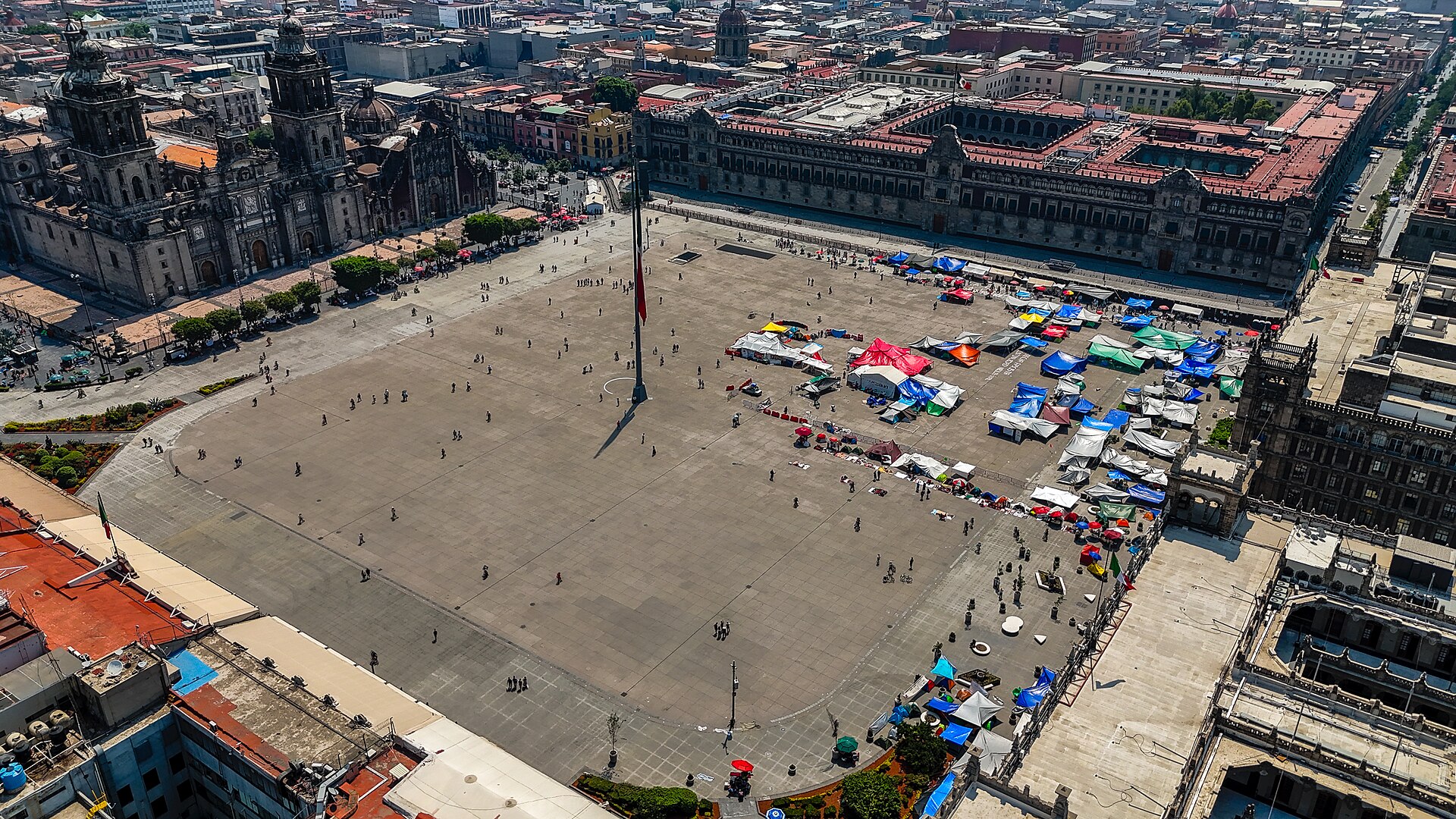
Plan with these and your days will hold together. Times are door to door, outside peak; add 50% between roughly 07:00–10:00 and 17:00–20:30.
| Journey | By Metro or Metrobús | By car or app |
|---|---|---|
| Zócalo to Bellas Artes | 10 min walk | Do not |
| Zócalo to Antropología / Chapultepec | 35–45 min | 25–35 min |
| Zócalo to Coyoacán | 50–70 min | 40–60 min |
| Roma or Condesa to Zócalo | 25–35 min | 20–30 min |
| Roma or Condesa to Coyoacán | 40–55 min | 30–45 min |
| Coyoacán to Xochimilco | 40–55 min (Tren Ligero) | 30–45 min |
| Centro to Teotihuacán | ~1 h from Terminal del Norte | 60–75 min |
| Centro to the Basílica de Guadalupe | 25–35 min | 20–30 min |
| Airport to Centro | Metrobús Line 4, 30 pesos | 20–35 min |
Fares, checked September 2026: the Metro is 5 pesos flat to anywhere on the network, Metrobús is 6 — except Line 4 to the airport terminals, which is 30 — and the Cablebús is 7. All of them use the rechargeable Movilidad Integrada card, bought and topped up from machines at any station. Buy one on arrival and load a couple of hundred pesos; it removes a daily irritation for the price of two coffees.
Two practical notes. On many Metro lines the front carriages are reserved for women and children at peak hours — this is signposted and enforced, and visitors get it wrong regularly. And on most Sunday mornings Paseo de la Reforma closes to cars for Muévete en Bici until early afternoon, with free loan bikes along the route. That is a scheduling opportunity, not an obstacle: a Sunday morning built around cycling Reforma is one of the best free things this city does.
The three-day spine, worked out in full
Every itinerary on this page is a modification of this one. Read it once and the rest of the durations become obvious.
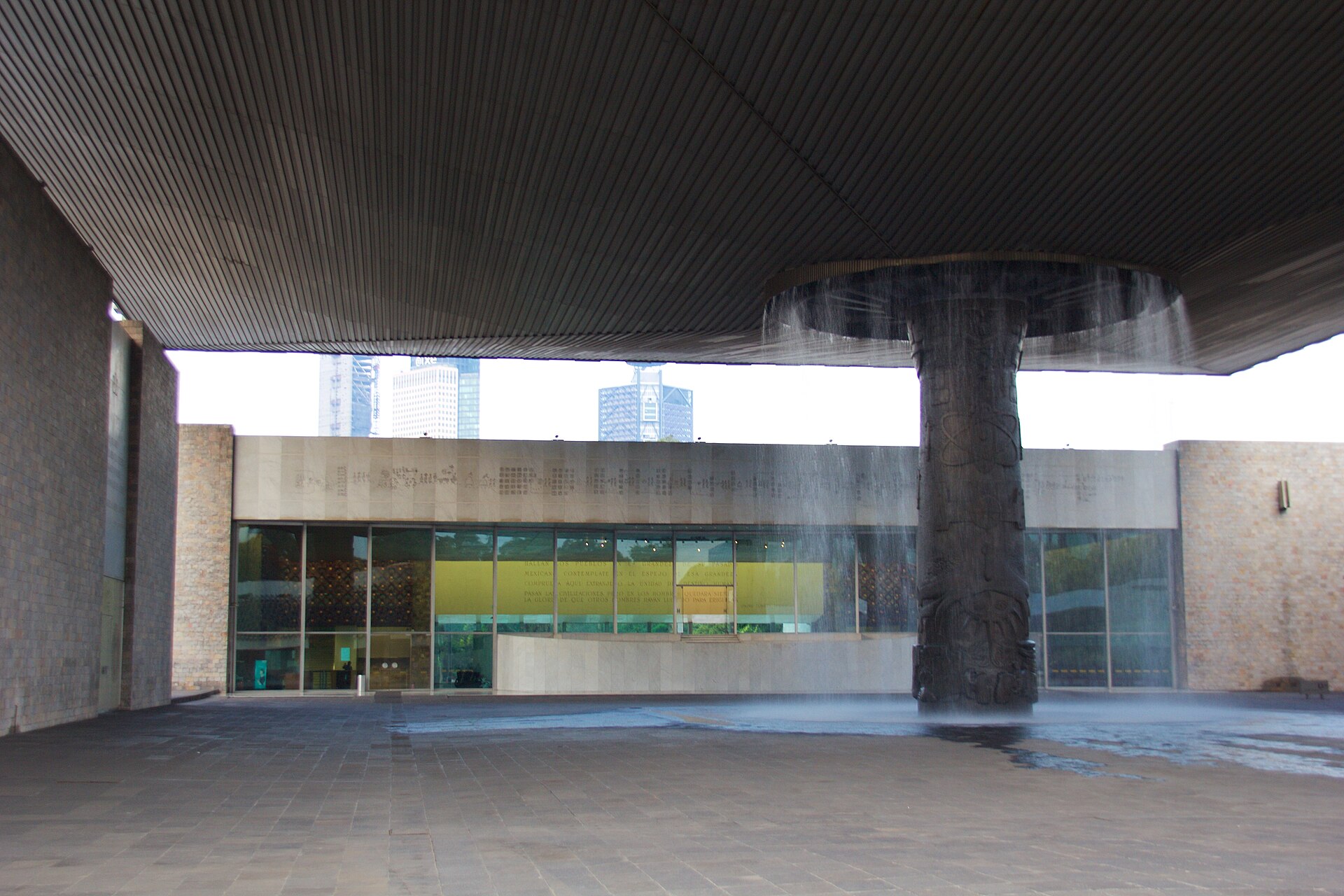
Day one — the Centro Histórico, on foot
Start at the Zócalo early, when it is quiet and the flag ceremony is on. The Catedral Metropolitana opens onto the north side; go in, look up at the visibly leaning floor — the whole city is sinking into a drained lake bed and the cathedral shows it more honestly than any information panel.
Then the Templo Mayor (210 pesos for visitors, closed Mondays), which is the Mexica Great Temple, uncovered by accident in 1978 by electricity workers and excavated in the middle of a living city. The site museum is better than the ruins and holds the Coyolxauhqui monolith.
Across the square, the Palacio Nacional is free and holds Diego Rivera’s mural cycle of Mexican history on the main staircase — arguably the single most important thing to see in the country. Bring photo identification, expect a security screening, and leave large bags, tripods and food behind. It closes on national holidays and sometimes at short notice.
Walk west along pedestrianised Madero to the Palacio de Bellas Artes. The building is worth the walk on its own; the museum upstairs (around 90 pesos, free to everyone on Sundays) holds seventeen murals including Rivera’s Man, Controller of the Universe, the recreation of the fresco Rockefeller Center destroyed. Finish the day on the 44th-floor deck of the Torre Latinoamericana opposite — 220 pesos adult, 170 for children aged 4 to 11, open daily 09:00 to 22:00. Go at dusk. It is one of very few attractions in this city that is open both late and on Mondays, which makes it the standing fallback for a day that has fallen apart.
Day two — Chapultepec and the museums
The Museo Nacional de Antropología (210 pesos, Tuesday to Sunday 09:00–18:00) is the reason many people come to Mexico at all. Twenty-two permanent halls around a courtyard; the Mexica hall with the Sun Stone is the one everybody heads for and the Maya and Oaxaca halls are the ones people wish they had left time for. Three hours is a minimum. Lockers cost 10 pesos and a video permit is 65.
Afterwards, walk into Bosque de Chapultepec and up to Chapultepec Castle (210 pesos, Tuesday to Sunday 09:00–17:00), the only royal castle in the Americas, with Maximilian and Carlota’s apartments and a terrace view back over the canopy to the towers on Reforma. The park has expanded substantially in recent years — a fourth section opened in September 2024, linked by Cablebús Line 3 — so if you have energy left there is far more here than the old postcard version suggests.
Evening: Roma or Condesa for dinner, which is a twenty-minute walk or one Metrobús stop away.
Day three — a day trip, or the south
If your third day is a Monday, it must be Teotihuacán. If it is any other day, choose between Teotihuacán and Coyoacán by temperament: ruins and scale, or streets and Frida Kahlo.
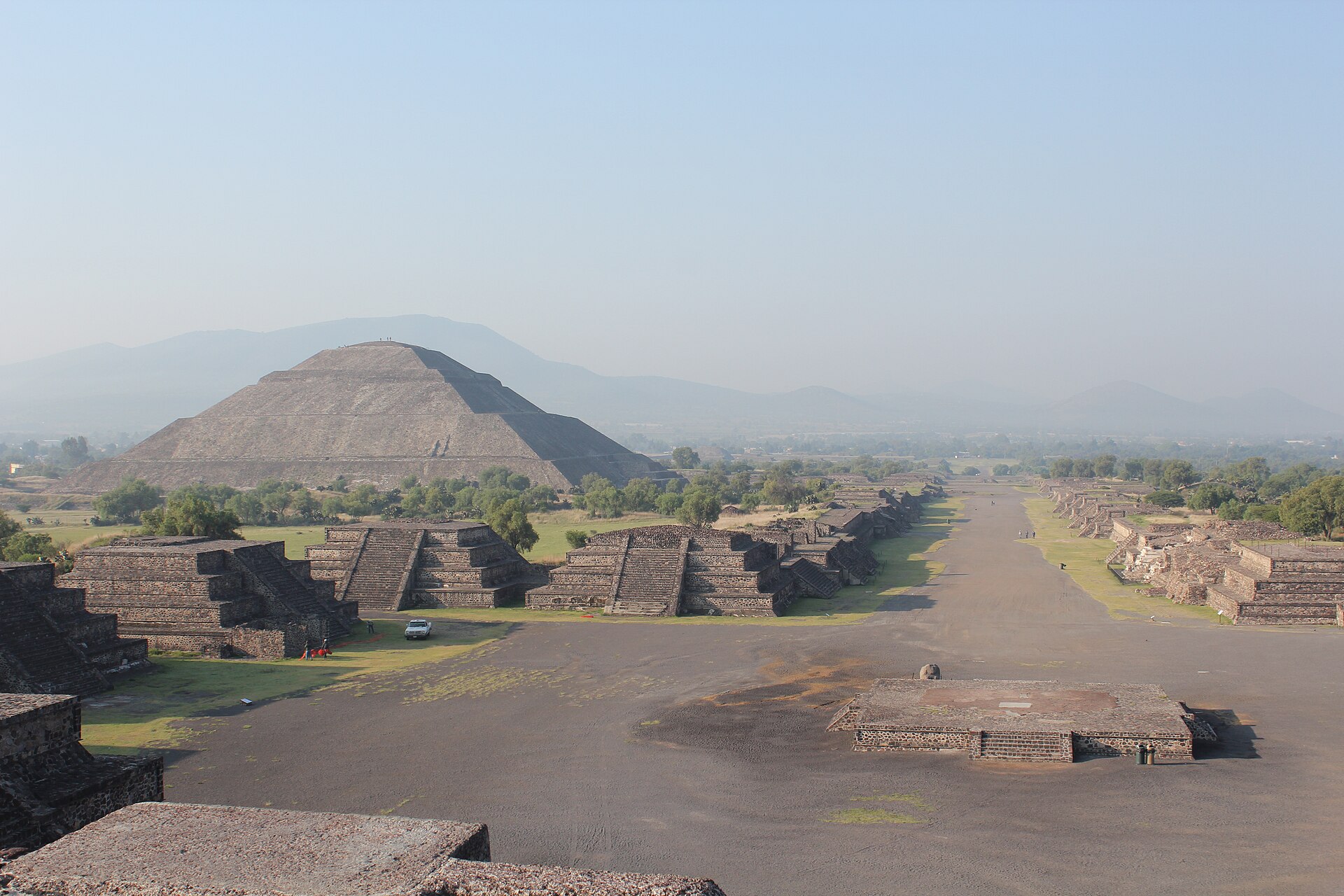
Teotihuacán (210 pesos, daily 09:00–17:00, site museums closing at 16:30) is about an hour out, with buses from Terminal del Norte every fifteen to twenty minutes. Go early: there is very little shade, the site is huge, and by eleven both the sun and the coach parties have arrived. One warning worth taking seriously — access to the upper levels of the Pyramids of the Sun and Moon has been restricted at various points for conservation and the rules have changed more than once. No honest guide can promise you a summit. Check immediately before you travel. The site is magnificent from the ground regardless, and the murals at Tepantitla and the Palace of Quetzalpapálotl are the parts people wish they had known about.
Note also that Teotihuacán is in the State of Mexico, not the capital — which matters if you are reading a travel advisory, because those are written state by state.
What each other length adds or removes
Rather than repeat a full route for each duration, here is what actually changes. The dedicated guides for each length go through them hour by hour.
One day
Day one of the spine, and nothing else. Do not attempt Antropología as well; you will do both badly. If it is a Monday, do the Zócalo, the cathedral, Madero, the Torre Latinoamericana and the Basílica de Guadalupe, and accept that the museums are not available to you.
Two days
Days one and two of the spine. This is a genuinely good short trip — the historic core and Antropología are the two unmissable things and you will have done both properly.
Four days
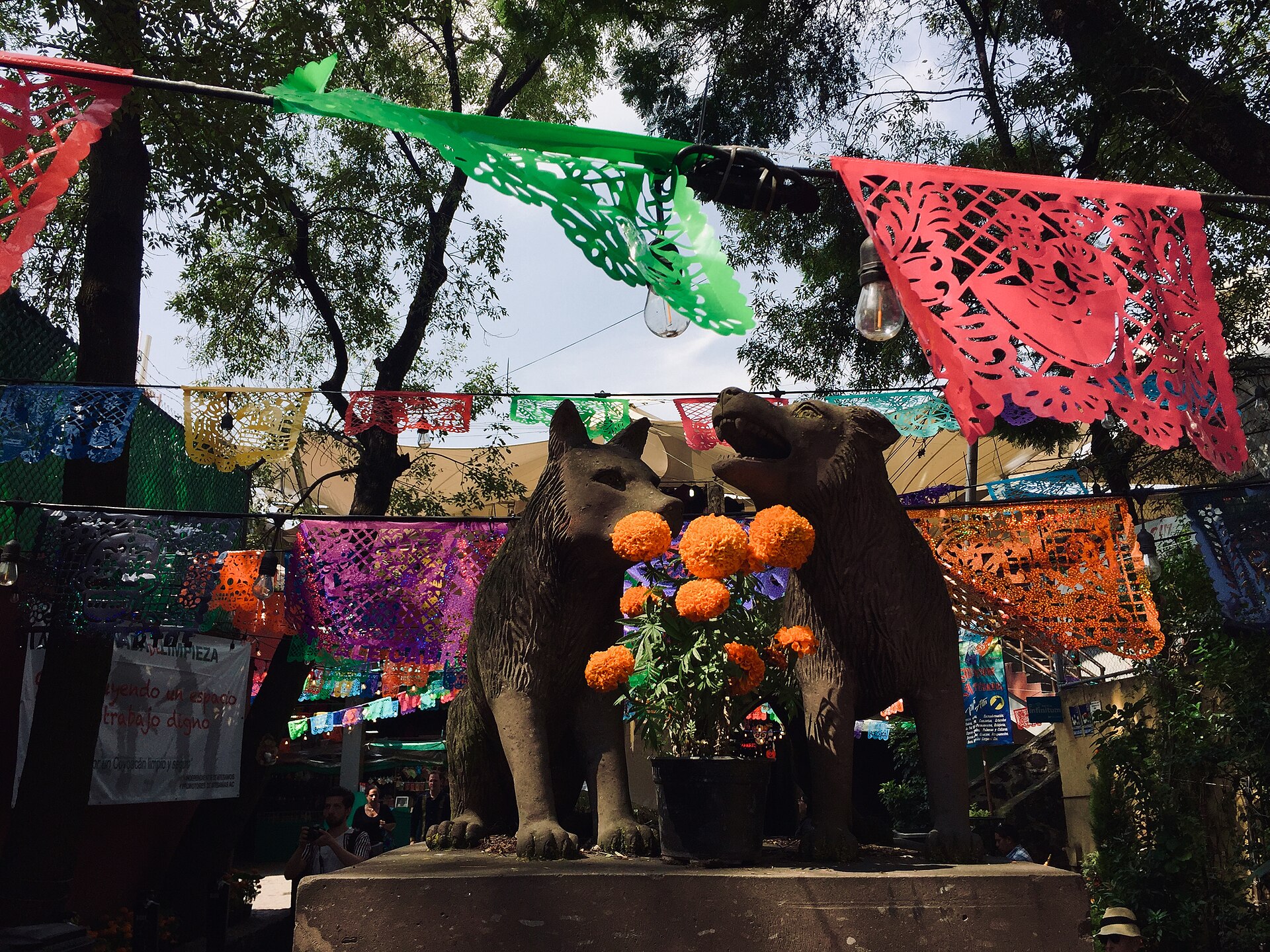
The spine plus a full Coyoacán day. That means the Museo Frida Kahlo in a booked slot, the Mercado de Coyoacán for lunch, Jardín Hidalgo and Plaza Centenario, the Museo Nacional de Culturas Populares, and — if you have the appetite — the Museo Diego Rivera-Anahuacalli, which your Casa Azul ticket already covers. Coyoacán at weekends is busy in a way that is part of the pleasure rather than a problem.
Five days
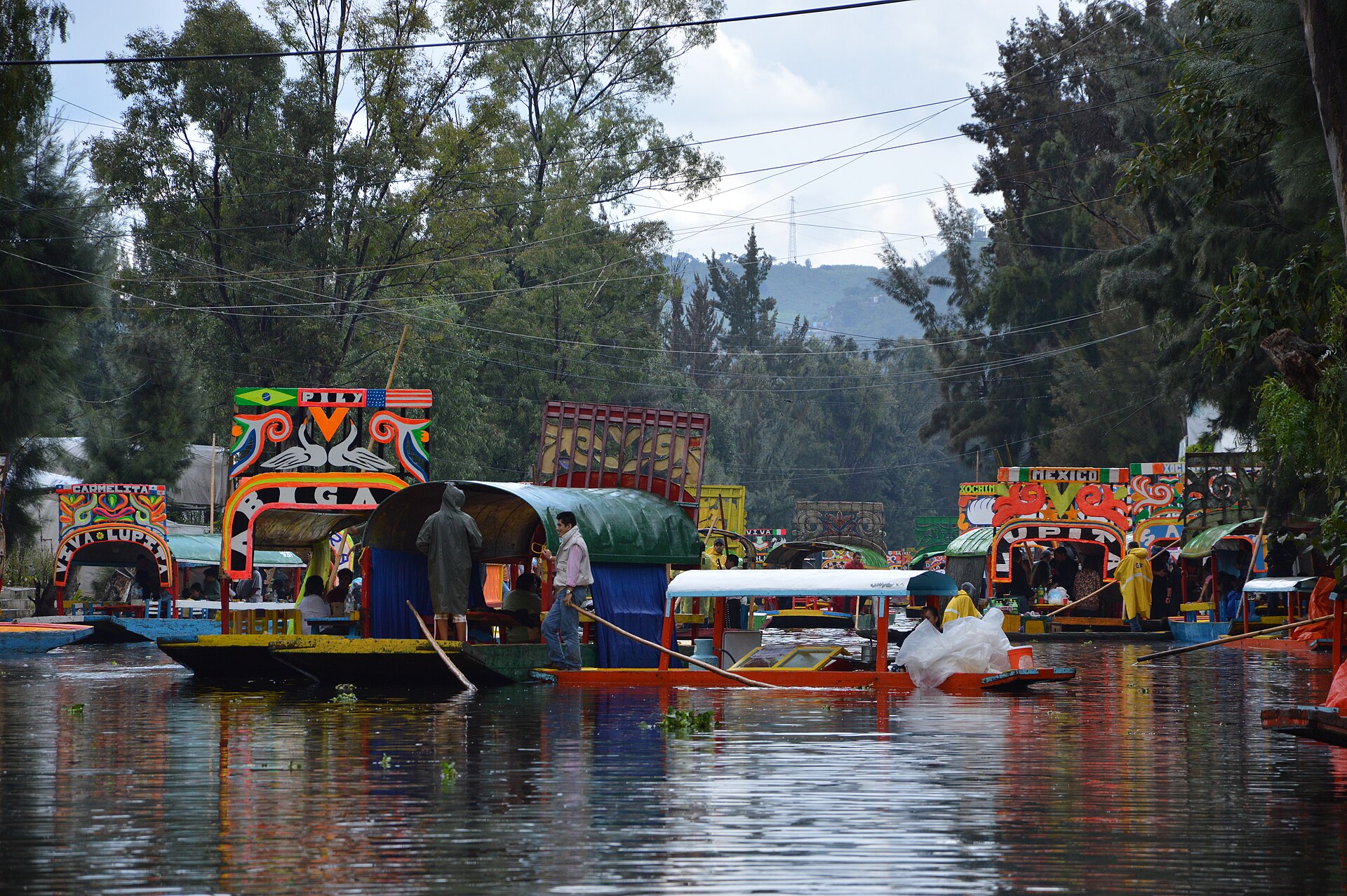
Four days plus Xochimilco, and this is where the trip stops feeling compressed. A trajinera on the canals costs 750 pesos per hour for the whole boat, not per person — the official Alcaldía tariff, and a boat takes up to about eighteen people at that same rate. Touts quote per person, quote in dollars, or add a compulsory “guide”; the rate is posted at the landings, so read the sign before you agree to anything. Nativitas is the busiest and most commercial embarcadero, Cuemanco the quieter one nearer the working chinampas. It is cash only on the water, and mariachis charge by the song.
Five days also lets you pair Xochimilco with the Museo Dolores Olmedo area or the university district at Ciudad Universitaria, which is a UNESCO site in its own right and one of the great pieces of twentieth-century campus architecture.
Seven days
Everything above, plus the things that turn a checklist into a trip: the Basílica de Guadalupe (free, daily, the most visited Catholic shrine in the Americas), a market morning at La Merced or Mercado de San Juan, the mural circuit at the Secretaría de Educación Pública and the Colegio de San Ildefonso, the Museo Soumaya and Jumex pairing in Polanco, a second day trip to Puebla or Tepoztlán, and at least two evenings that are not scheduled at all.
Seven days is also enough to split your accommodation — three nights in the Centro, four in Roma or Condesa — which halves your total time in traffic. See our guide to where to stay in Mexico City for how the areas compare.
Ten days or more
At this length, stop planning days and start planning weeks. Take an apartment, pick a neighbourhood, and treat Puebla, Cuernavaca, Tepoztlán, Tula or Cholula as overnight options rather than day trips. Add the things that need a whole morning and reward it: Casa Luis Barragán, which is a separate UNESCO listing and requires advance booking, the Museo Nacional de Arte, the Biblioteca Vasconcelos, and the Sunday cycle down Reforma.
Themed variations
- Food-led. Anchor the days on markets and eating hours rather than opening hours: a market breakfast, a long comida at three, tacos late. The museums become the filler rather than the frame, which is a perfectly good way to see this city.
- Art-led. The murals are spread across the Palacio Nacional, Bellas Artes, the SEP, San Ildefonso and the Polyforum. Antropología, Casa Azul, Anahuacalli, the Museo Tamayo, Jumex and Soumaya fill out the rest. Six days minimum.
- With young children. Chapultepec is the anchor — lake, zoo, Papalote children’s museum. Xochimilco is a boat ride, which sells itself. Teotihuacán is a lot of walking in strong sun and works better for older children. Shorter days, more park.
- Second visit. Skip the entire spine. Do the south — Ciudad Universitaria, San Ángel on a Saturday for the Bazar Sábado, Anahuacalli — plus the markets, the Cablebús lines for the view, and the neighbourhoods you only passed through last time.
- Without a car. Which is to say, almost everybody. Every itinerary on this page works entirely on Metro, Metrobús, Tren Ligero, Cablebús, app rides and walking. Renting a car for a city trip here is an expensive way to buy a problem, not least because the Hoy No Circula scheme restricts which cars may drive on which days.
When the plan breaks: closures and swaps
Something will be shut. Here is what to put in its place.
| If this is closed or full | Swap in |
|---|---|
| Museo Frida Kahlo (sold out, or Monday) | Museo Diego Rivera-Anahuacalli; Coyoacán market and plazas; Museo Nacional de Culturas Populares |
| Palacio Nacional (holiday or short-notice closure) | Colegio de San Ildefonso or the SEP murals, both within ten minutes’ walk |
| Anything, because it is Monday | Teotihuacán; the Basílica; Torre Latinoamericana; markets; Xochimilco |
| Antropología (crowded, or you are short of time) | Do not substitute it. Move it to another morning. There is no equivalent. |
| An outdoor day, during an air-quality alert | Museums and markets. The city advises reducing strenuous outdoor activity during a contingencia ambiental, especially between 13:00 and 19:00; live readings by district are published at aire.cdmx.gob.mx |
| An afternoon, in the rainy season | Nothing — the rain is usually one heavy late-afternoon burst, not a lost day. Plan indoor things for 16:00 to 18:00 between roughly May and October and you will barely notice it. |
What it costs
Admissions and transport only, per person, in pesos, at 2026 rates for a foreign visitor. Accommodation, food and day-trip transport are extra.
| Trip length | Admissions | City transport | Running total |
|---|---|---|---|
| 1 day | ~430 (Templo Mayor, Torre Latino) | ~30 | ~460 |
| 3 days | ~1,060 (add Antropología, Castle, Teotihuacán) | ~100 | ~1,160 |
| 5 days | ~1,500 (add Casa Azul at 320, share of a trajinera) | ~160 | ~1,660 |
| 7 days | ~1,700 (the extras are mostly free) | ~220 | ~1,920 |
Checked September 2026. The striking thing about that table is how much of this city is free: the Palacio Nacional, the Basílica, the Soumaya, Bellas Artes on a Sunday, Jumex on a Tuesday, every market, every plaza and the whole of Chapultepec outside the castle. Bear in mind that INAH revises its tariffs each January, so anything you read here that is more than a year old needs rechecking at the source.
Building a day around the hours this city keeps
Itineraries written abroad tend to assume a European or North American day, and then quietly fail. Mexico City runs on a different clock, and once you stop fighting it the days get easier.
Mornings start early and museums open at nine. The hour between 09:00 and 10:00 at Antropología, the Templo Mayor or Teotihuacán is worth two hours at midday — cooler, emptier, better light. Almost nobody uses it. If you take one piece of scheduling advice from this page, take that one.
Breakfast is a real meal and a real pleasure. Not a pastry at the hotel: chilaquiles, huevos rancheros, tamales from a corner steamer, café de olla. It is also cheap. Build fifteen minutes into the walk to your first anchor and eat somewhere with a queue of people going to work.
The middle of the day belongs to comida. The main meal is eaten from about 14:00 to 16:30, restaurants fill accordingly, and a proper comida is not a quick stop. This is the single biggest reason imported itineraries collapse: a 15:00 museum slot and a 15:00 lunch cannot both happen. Pick one. In practice the elegant solution is to make lunch the middle anchor of the day and treat the afternoon site as optional.
Late afternoon is when the rain arrives, between roughly May and October, usually as one heavy burst rather than a grey day. Put something with a roof on it at 16:00 and the rainy season stops being a factor.
Dinner is late and light, often after 21:00, and much of the best eating in this city happens at a taco stand between ten and midnight. An itinerary that has you back at the hotel by eight has skipped the part everybody who lives here would tell you about first.
Weekends change the map. Coyoacán, San Ángel and Xochimilco are better on a Saturday or Sunday, because that is when the people are there. The Centro Histórico is the opposite: busiest and most chaotic on weekdays with the wholesale trade, then oddly empty on a Sunday evening. Chapultepec is packed at weekends in the best way. Plan the south for the weekend and the centre for a weekday and both improve.
And watch the calendar for full closures. The Casa Azul, for instance, shuts entirely on 1 May, 16 September, 8 and 25 December and 1 January, and runs shortened hours on 15 September, 24 December and 31 December. Most major institutions have a version of that list. If your dates include a national holiday, check each one individually rather than assuming.
How not to over-schedule
The commonest mistake is not choosing the wrong sights. It is choosing too many and enjoying none of them.
Some rules of thumb that hold up here. Two anchors a day, not four — one before lunch, one after, and whatever happens in between is the part you will remember. One cross-city journey a day, maximum. Comida is at three and takes two hours if you do it properly, so do not schedule a 15:30 museum entry. Evenings are not filler: this city is at its best after dark, in Roma, Condesa, the Centro and around the Plaza Garibaldi, and a plan that runs you to exhaustion by six has cost you the best part of the day. And leave one afternoon entirely blank. You will find something to put in it, and it will probably be the thing you tell people about.
Frequently asked questions
How many days do you need in Mexico City?
Three as a working minimum, five for a comfortable first visit that covers the historic centre, Chapultepec, Teotihuacán, Coyoacán and Xochimilco without rushing. Seven if you want markets, murals and a second day trip. One or two days is enough for the Centro Histórico and Antropología only.
Is Mexico City walkable?
In patches, and that is the key to planning here. The Centro Histórico, Roma, Condesa, Polanco and Coyoacán are each thoroughly walkable inside themselves. Between them you take the Metro or a car. Build days inside one district and you will walk; build days across districts and you will sit in traffic.
Which day should I do Teotihuacán?
Monday, if your trip contains one, because the city’s museums are closed and the site is not. Otherwise any day, as early as you can manage — heat, shade and coach parties all argue for a 09:00 arrival.
Do I need a guided tour?
Not for the city. The Metro is simple, cheap and signposted by icon as well as name. A guide genuinely adds something at Teotihuacán and at the Templo Mayor, where the site is hard to read without one. Everywhere else, a guide mostly buys you transport you could have bought for five pesos.
Is Sunday a good day to visit museums in Mexico City?
Less so than it used to be. Free Sunday entry at INAH sites now applies only to Mexican nationals and residents, so foreign visitors pay full price — and Sundays are still the busiest day, because free entry continues for everyone else. The exception worth planning around is the Museo del Palacio de Bellas Artes, which is INBAL rather than INAH and is free to all on Sundays.
Can I do Xochimilco and Coyoacán on the same day?
Yes, and it is the standard pairing — they are both in the south and about forty minutes apart. Do Coyoacán in the morning and the canals in the afternoon, and book the Casa Azul slot for early so the day has somewhere to go.
What should I not bother with?
An honest answer rather than a diplomatic one: the Torre Latinoamericana deck is worth it at dusk and mediocre at midday. Xochimilco on a quiet weekday can feel flat rather than festive — it is a party by design, and a Saturday is more fun than a Tuesday. And the flagship tasting-menu restaurants are excellent but are not what makes eating here extraordinary; a market and a taquería will tell you more.
How much cash should I carry?
More than you would in most cities. Markets, trajineras, street food and small museums are cash-only or cash-preferred, and cards are unreliable outside established venues. Draw from bank ATMs inside branches rather than street machines.
Is the rainy season a problem for an itinerary?
Rarely. From roughly May to October the rain usually arrives as one heavy burst in the late afternoon rather than all day. Put something indoors between about 16:00 and 18:00 and carry a light waterproof. The dry season from November to April is clearer and correspondingly busier.
What is the best order to see things in?
Centre outwards. The Centro Histórico first, because it gives you the history everything else refers back to; then Chapultepec and Antropología, which explain the objects; then the day trip; then the south. Doing Teotihuacán before the Templo Mayor works, but doing it after is better.
One planning input this page assumes but does not argue: that the city is a reasonable place to spend a week. Our guide to safety and health in Mexico City makes that case properly, with the dated advisory position, the risks ranked by what actually happens to visitors, and the reason day trips to Teotihuacán, Puebla or Tepoztlán need checking against a different state’s advice than the capital’s.
Which month you come changes the atmosphere of all of this far more than it changes what is open. Our guide to the best time to visit Mexico City sets out the official climate normals for the Tacubaya station, explains why the rainy season is far less disruptive than its reputation, and lists the dates — Día de Muertos, the Grand Prix, the Grito — that will decide how far ahead you need to book.
Every itinerary here begins and ends at an airport, and which one changes your first and last half-days. Our Mexico City airport guide sets out the arrivals procedure in order, the fare evidence for each route into the city, and why the two terminals at MEX are an hour apart rather than a walk — the mistake that costs visitors more flights than anything else.
One constraint this page keeps running into deserves its own explanation. Our Mexico City food guide sets out how the day is actually structured here, why a three o’clock museum slot and a proper comida cannot both happen, and why an itinerary that ends at nine has removed the best eating in the city from your trip.
Both museum days in the three-day spine are set out in more detail elsewhere. Our guide to the best museums in Mexico City gives timed routes for the Centro and Chapultepec, the admission table at 2026 prices, what to do when something is shut, and the bag, ID and photography rules that catch visitors at the door.
The Monday plan gets its own page. Our guide to Teotihuacan from Mexico City covers the bus from Terminal del Norte, a route that starts at the right gate, the sun and altitude realities of a site with almost no shade — and the rule most guides still have wrong, which is that climbing the pyramids has been prohibited since 2020.
The canals are the addition that turns a four-day trip into a five-day one. Our Xochimilco guide explains why the official 750-peso tariff is per boat rather than per person, which of the eleven landings gives you the party and which gives you the working chinampas, and how to plan the return before the canals empty at dusk.
The buffers on this page assume you are using the network well. Our guide to getting around Mexico City explains why the Metro is one flat five-peso fare however many lines you change, which mode suits which journey, how to buy a Movilidad Integrada card on day one, and what happens when a line closes for works.
Every itinerary here is built on the assumption that you group your days by colonia rather than by sight, because the traffic punishes anything else. If you would rather assemble your own days, our guide to the Mexico City neighborhoods to visit breaks the city down colonia by colonia, with walking times between stops and honest notes on which areas reward a full day.
Most trips of five days or more want one day outside the valley, and choosing which one is not simply a matter of distance: the moment you leave the capital a different state’s travel advisory applies. Our guide to day trips from Mexico City compares the options on state, travel time, cost and return logistics, including which ones work far better as an overnight.
An itinerary only works if the practical setup underneath it does. Our Mexico City travel tips for first timers cover the parts that have to be settled before you fly — the digital entry process and the days written on your stamp, eSIM and device caveats, the altitude, and the short list of things that genuinely must be booked in advance.
If three days is what you have, our 3 days in Mexico City itinerary works the spine above out hour by hour, with the right order of days for every start date, the journey buffers between sights, a dated budget, and three versions of the third day: Teotihuacán, Coyoacán or Xochimilco.
Related Mexico City Guides
- Things to Do in Mexico City — the full list of what these itineraries are made of, with opening rules and admission prices.
- Where to Stay in Mexico City — which base makes which itinerary easier, compared area by area.
Hour-by-hour guides for one, two, three, four, five, seven and ten days, along with food-led, art-led, car-free and second-visit variations, are being published to this section over the coming weeks.
Sources and verification
- INAH 2026 tariffs and the nationality rule: a reform to the Ley Federal de Derechos published in the Diario Oficial de la Federación on 7 November 2025, in force from 1 January 2026. Category I admission 210 pesos for foreign visitors, 105 for Mexican nationals and documented residents; Category II 155 and 85. Sunday free entry restricted to Mexican nationals and legal residents. Free with valid ID regardless of nationality for under-13s, students, teachers, INAPAM cardholders and visitors with disabilities. Checked September 2026.
- Monday closures at Antropología, Templo Mayor, Chapultepec Castle, Museo Frida Kahlo, Palacio Nacional and the Museo del Palacio de Bellas Artes; Teotihuacán open Mondays. Checked September 2026.
- Museo Frida Kahlo: 320 pesos general, online sales only with no box office, closed Mondays, ticket includes the Museo Diego Rivera-Anahuacalli. Checked September 2026.
- Museo del Palacio de Bellas Artes: INBAL rather than INAH, free to all on Sundays, around 90 pesos otherwise, Tuesday to Sunday 10:00–18:00, seventeen murals. Checked September 2026.
- Torre Latinoamericana: 220 pesos adult, 170 child aged 4–11, daily 09:00–22:00, 44th floor. Checked September 2026.
- Palacio Nacional: free, photo ID required for over-18s, security screening, closes on holidays and at short notice; free guided tours in Spanish and English, most reliably Saturday and Sunday around 11:00. Checked September 2026.
- Xochimilco: official Alcaldía Xochimilco 2026 tariff of 750 pesos per hour per trajinera, not per person, for a boat taking up to roughly eighteen people. Cash only on the water. Checked September 2026. Note that an official tourism page carrying an older figure remains in circulation; the rate posted at the landings is the one that applies.
- Transport fares: Metro 5 pesos flat, Metrobús 6, Metrobús Line 4 to the airport terminals 30, Cablebús 7, all on the Movilidad Integrada card. 2026 rates, checked September 2026.
- Teotihuacán: daily 09:00–17:00 with site museums closing 16:30; buses from Terminal del Norte every 15–20 minutes, about one hour. Pyramid summit access has been restricted at various points and the rules have changed more than once — this page does not promise a climb. Checked September 2026.
- Ballet Folklórico de México de Amalia Hernández at Bellas Artes, typically Wednesday and Sunday evenings plus a Sunday matinée; lucha libre at Arena México (CMLL), Friday 20:30, Sunday 17:00, Tuesday 19:30. Schedules shift around special events — check current listings. Checked September 2026.
- Chapultepec: fourth section opened 24 September 2024, linked by Cablebús Line 3. Checked September 2026.
- Altitude 2,240 m; air quality alerts and the 13:00–19:00 advisory window, with live readings at aire.cdmx.gob.mx; Paseo de la Reforma Sunday closure for Muévete en Bici. Checked September 2026.
What this page does not claim. Nobody from this site has walked these routes on the dates published, and no timings here were measured with a stopwatch — the journey buffers are planning ranges drawn from typical published travel times, and traffic will beat them or break them on any given morning. Opening hours, tariffs and performance schedules were verified against the operating institutions in September 2026 and are dated accordingly; INAH revises its tariffs each January, so check before you travel. Where a rule is genuinely unsettled — pyramid summit access at Teotihuacán is the clearest case — this page says so rather than guessing.
Photo Credits
Metro Line 9 train at Patriotismo: Metro Patriotismo de la Línea 9 del Metro de la Ciudad de México by ProtoplasmaKid, CC BY-SA 4.0, via Wikimedia Commons.
Fuente de los Coyotes, Coyoacán: Estatua de coyotes by Luciernaga3, CC BY-SA 4.0, via Wikimedia Commons.
The Zócalo, Museo Nacional de Antropología, Teotihuacán and Xochimilco photographs are credited on their original appearance in this site’s media library.