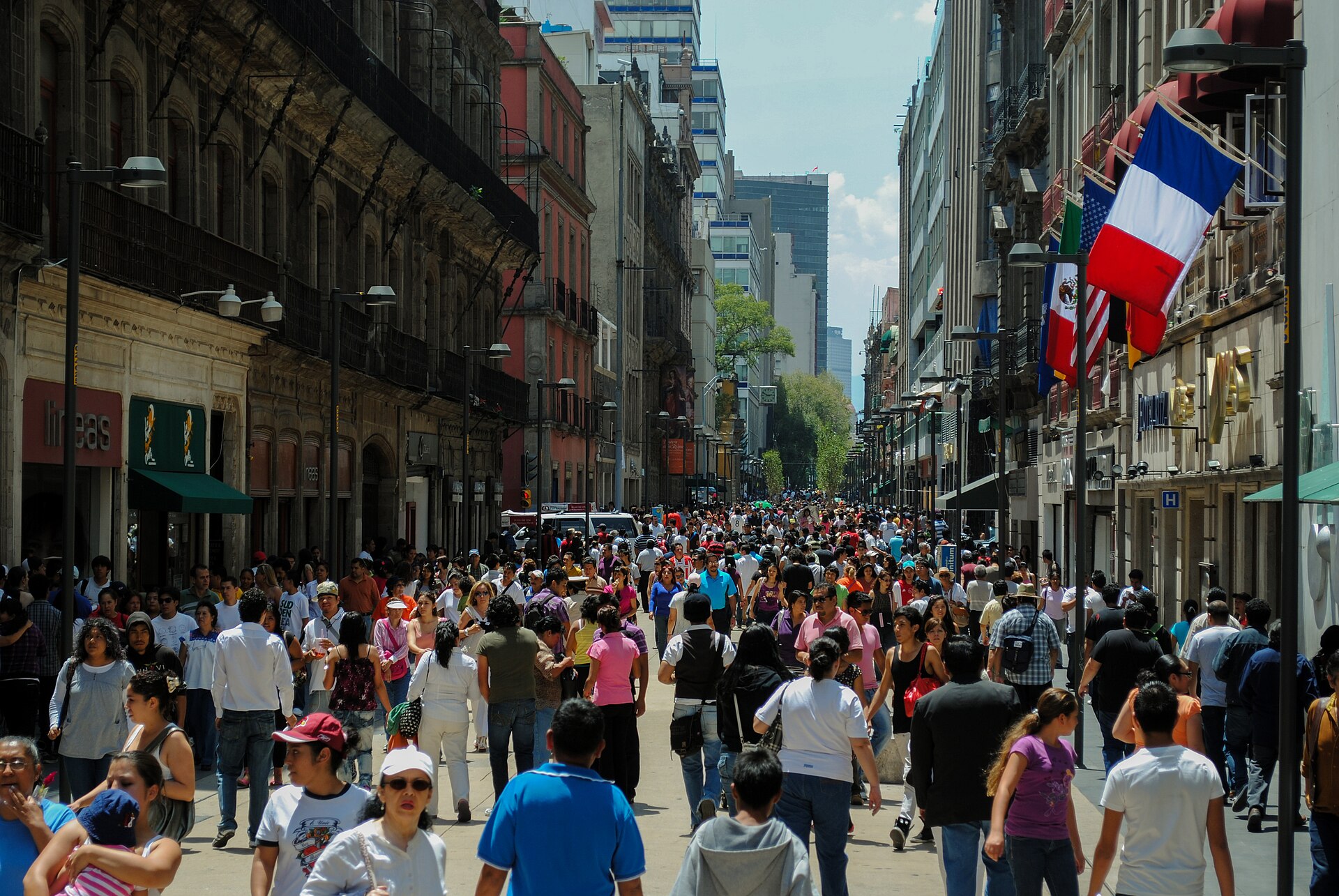
The honest answer to is Mexico City safe for tourists is that it is an ordinary large Latin American capital: millions of people go about their day without incident, the realistic risks to a visitor are overwhelmingly opportunistic rather than violent, and the things most likely to spoil your trip are a snatched phone, a stomach upset, a badly chosen taxi and a first day scheduled too hard at altitude. That answer is less dramatic than the headlines and less breezy than the influencers, and it is the one supported by what the official advisories actually say when you read them properly.
That last point matters more than anything else on this page. Travel advisories for Mexico are written state by state, and the country contains states that sit at the top of the warning scale alongside states that sit at the bottom. Quoting a single “Mexico” risk level — in either direction — is the most common error made about this subject, and almost every scare story and every reassurance you have read commits it.
The direct answer
- For most visitors, staying in the central colonias, using normal urban precautions, Mexico City is manageable and enjoyable. The neighbourhoods where visitors stay and eat — the tourist core of the Centro Histórico, Roma, Condesa, Juárez, Polanco, Coyoacán, Del Valle, Narvarte — are places where large numbers of people walk around in the evening as a matter of routine.
- The dominant risk is theft, not violence. Phone snatching, bag theft and pickpocketing on crowded transport are the things that actually happen to visitors. Plan for those and you have covered most of your exposure.
- Taxis are the one category where the choice you make genuinely changes your risk. Use an app, a hotel-arranged car, or an authorised sitio rank. Do not hail a cab off the street, and never take a ride from someone who approaches you inside an airport terminal.
- Health and altitude will affect more visitors than crime will. Nobody writes scare headlines about dehydration at 2,240 metres, and it ruins far more first days than anything criminal.
- Nothing here is a guarantee. No page can tell you that you will be fine, and any page that does is lying to you. What a page can do is tell you where the real probabilities sit and what to do if you land on the wrong side of them.
What the official advisories say, and how to read them
All figures below were checked in September 2026. Advisories are revised without much fanfare, so treat this as a snapshot and open the source before you travel.
The United States
The State Department’s Mexico advisory was reissued on 29 May 2026. Mexico as a country sits at Level 2, “Exercise Increased Caution”. Crucially, the advisory then breaks the country down by state: at the time of checking, six states were at Level 4, “Do Not Travel” — Colima, Guerrero, Michoacán, Sinaloa, Tamaulipas and Zacatecas — while Campeche and Yucatán were at Level 1, the lowest rung on the scale. Ciudad de México has its own entry with its own level and its own specific notes.
A limitation you should know about. When checking this page in September 2026, travel.state.gov returned an automated-access block, so the Ciudad de México entry could not be retrieved and quoted directly here. The country-level position and the Level 4 list above come from secondary reporting of the 29 May 2026 reissue. That is a weaker source than the original, and rather than paper over it, this page tells you: open the Mexico advisory yourself, scroll to the Ciudad de México section, and read it in full. It takes two minutes and it is the single most useful safety research you can do.
The United Kingdom
The Foreign, Commonwealth and Development Office advises against all but essential travel to parts of Mexico. Mexico City is not among those areas. Its safety and security guidance for the country names street crime as a serious issue, notes that pickpocketing and theft are common including on public transport, warns about criminals impersonating police officers, and is specific about taxis: avoid unlicensed ones, which it says have robbed and assaulted passengers, and use regulated sitio taxis from authorised ranks or a car arranged by your hotel. The FCDO also points readers to Locatel, Mexico City’s public information line, and notes that it has English-speaking staff.
Everyone else
Canada, Australia, Ireland, New Zealand and the EU member states all publish their own advisories, and they do not agree with each other. They weight risks differently, they update on different cycles, and — this matters if you are buying insurance — your policy is usually written against your own government’s advice, not somebody else’s. Read the one that applies to your passport and your policy, not the one that is easiest to find in English.
Why the state-by-state structure matters to you specifically
Because day trips cross state lines. Teotihuacán is in the State of Mexico, not the capital. Puebla, Tepoztlán and Cuernavaca are in Puebla and Morelos. Each of those has its own advisory entry, sometimes a more restrictive one than Mexico City’s, and sometimes with route-specific notes about particular highways. A trip being sold on a booking site is not a safety assessment. Check the destination state, and check the road.
The risks that are actually real, ranked
This is the scenario comparison that matters. Likelihood is relative to other things on this list, not absolute.
| Scenario | Likelihood | What it looks like | What actually prevents it |
|---|---|---|---|
| Phone snatched | Highest | Taken from your hand at a crossing, on a platform, at an outdoor table | Do not navigate while walking. Stop, step into a doorway, then look at it. |
| Pickpocketing | High | Crowded Metro carriages, Madero, markets, festivals | Front pockets, bag across the body and in front, nothing in a back pocket, no open tote |
| Bag or laptop lifted | Moderate | Café chair backs, floor beside a restaurant table | Strap round your leg or the chair. Never on the back of a chair. |
| Unlicensed taxi robbery | Moderate but severe | A street-hailed cab, a “taxi” tout at the airport | Apps, hotel cars, authorised sitio ranks, the fixed-price airport counter |
| Card skimming or ATM fraud | Moderate | Standalone street ATMs, card taken out of sight | ATMs inside bank branches during opening hours; watch the card; use tap where possible |
| Drink spiking | Lower, higher in nightlife districts | Bars and clubs, more often reported in Zona Rosa and around late venues | Watch the pour, keep the glass, leave with the people you arrived with |
| Traffic injury as a pedestrian | Underrated | Right turns on red, motorbikes, crossings ignored | Treat every crossing as unprotected. This is a genuine risk that almost no safety guide mentions. |
| Stomach upset | Common | Days two to four | Purified water only, hot food from busy stands, wash hands |
| Altitude effects | Common, mild | Broken sleep, headache, breathlessness on stairs | Water, an easy first day, restraint with alcohol |
| Earthquake | Low on any given trip | Alert sounds, then shaking | Know your building’s exit and assembly point on day one |
| Violent crime affecting a visitor | Lowest of these | Rare in the districts visitors use, and generally not random | Ordinary urban judgement; avoid confrontation; hand over possessions without argument |
Read that table properly and the shape of the problem becomes clear. Most of your exposure is to theft, and most theft is prevented by three habits: phone away while moving, bag in front, and never hail a cab in the street. Everything else is detail.
A note on neighbourhood lists
You will find a lot of pages that rank Mexico City’s colonias from safe to dangerous. This site does not publish one, for two reasons.
The first is that it would be misleading. Risk here varies block by block and hour by hour, not district by district. There are calm streets inside colonias with bad reputations and there are streets in fashionable areas where you would not want to be at three in the morning. A district-level list gives you false confidence in one place and false fear in another.
The second is that these lists describe neighbourhoods where hundreds of thousands of people live, work and raise children, and reducing them to a warning label for the benefit of visitors is neither accurate nor decent.
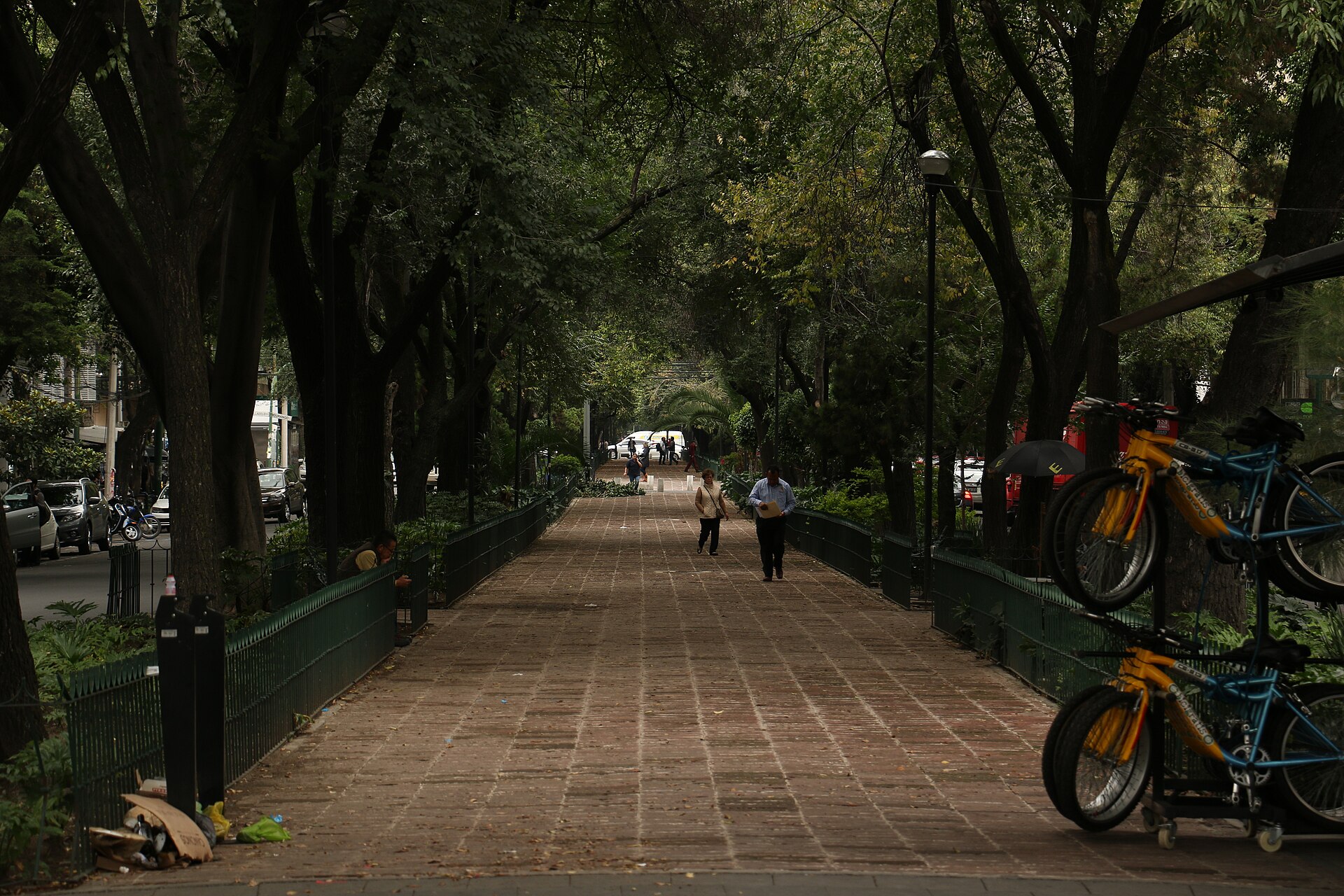
The useful version is a method rather than a list:
- Look at the actual street in a mapping app’s street view before you book anything or walk anywhere unfamiliar. Lit, busy, shops open, other people on foot — that is what you are checking for.
- Watch what locals do. If a street empties at eight, do not be the exception. If people are out with pushchairs at ten, it is fine.
- Ask at your hotel, specifically and about your actual route: “I want to walk from here to X at nine tonight — is that normal?” You will get a straight answer.
- Take a car at night when the answer is uncertain. An app ride across the centre costs less than a museum ticket.
Transport: where the choice matters
The safety-relevant version, briefly — the operational detail lives in our transport and airport guides.
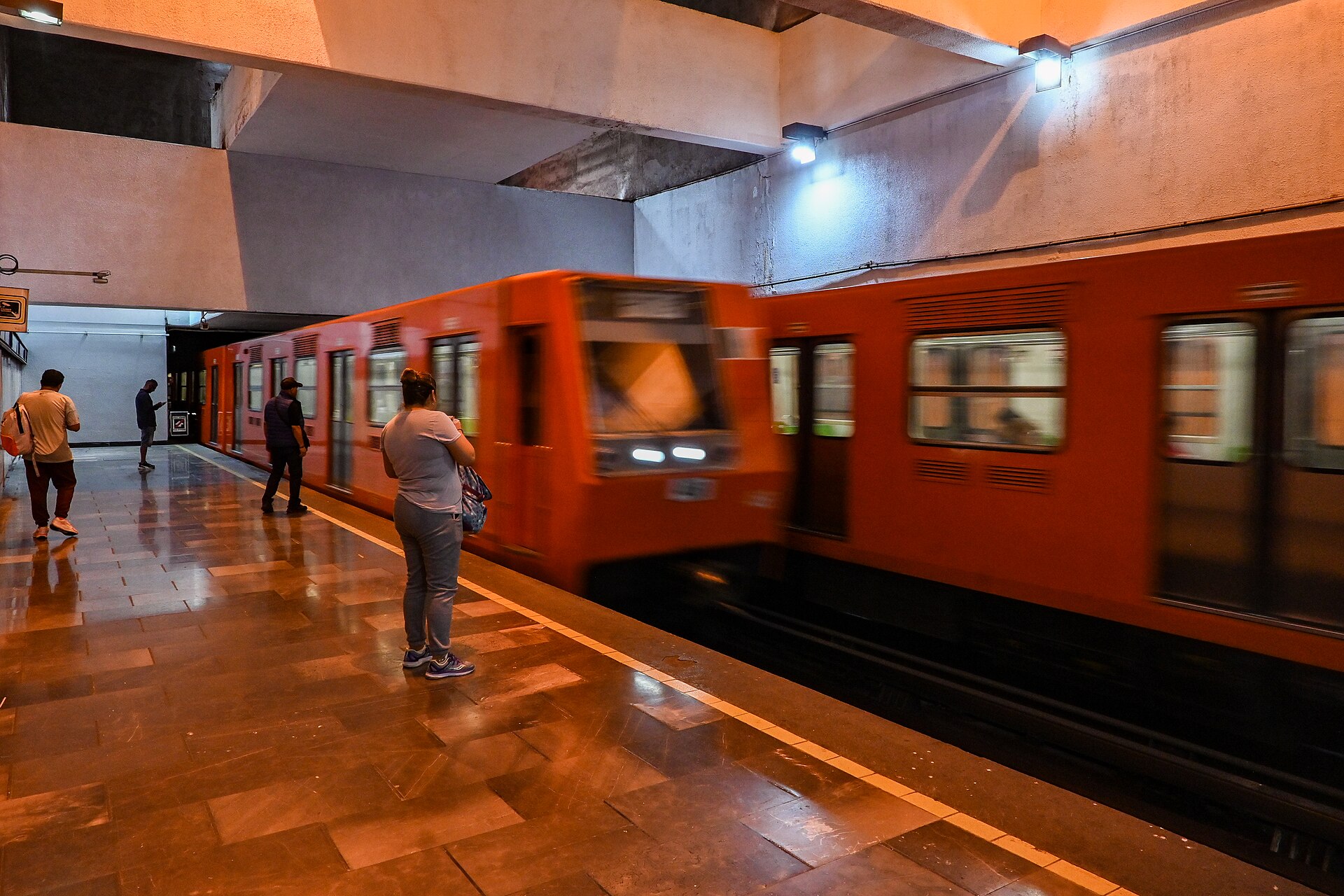
- Metro. Safe to use, used by millions daily, and where most pickpocketing of visitors happens. Avoid peak crush with valuables; bag in front. On many lines the front carriages are reserved for women and children at peak hours, which is signposted and enforced. Avoid it very late at night if you are alone and unsure.
- Metrobús. Same rules, generally less crowded, and the stations are enclosed platforms.
- Apps. The standard choice for visitors. Check the plate and the driver before getting in, share your trip, and sit in the back.
- Street-hailed taxis. Do not. This is the single clearest piece of advice in the FCDO guidance and it is worth taking literally.
- Authorised airport taxis. Bought at a counter inside the terminal at a fixed zone price before you go outside. Worth the premium on arrival, especially at night. Rideshare pickup arrangements at the airport have been the subject of an ongoing dispute between federal transport authorities and the platforms, and the position has changed more than once — check the app’s own airport instructions immediately before you fly.
- Walking. Fine by day across the central colonias, fine in the evening on busy lit streets, and genuinely the best way to see the city. Pavements are the hazard more often than people: they are uneven, obstructed, and frequently have a hole in them.
- Driving. Not recommended inside the city, for reasons that are mostly practical rather than criminal. The Hoy No Circula programme restricts which cars may drive on which days by plate and emissions sticker, and visitors get caught by it constantly.
Money, cards and ATMs
- Withdraw from ATMs inside bank branches, during opening hours, rather than standalone street machines.
- Carry the cash you need for the day and leave the rest in the hotel safe. Markets, trajineras, street food and small museums are cash-first.
- Always decline “dynamic currency conversion” — the machine or terminal offering to charge you in your home currency. Choose pesos. The exchange rate you are offered is consistently worse.
- Keep the card in sight when paying. Portable terminals are standard; a card disappearing to a back room is not.
- Tell your bank you are travelling, and carry a second card kept somewhere separate from the first.
Health
Water and ice
Tap water is not generally drunk in Mexico City. Hotels and well-run apartments supply purified water — bottles in a hotel, a garrafón dispenser in an apartment. Ice in established restaurants and bars is made commercially from purified water and is not the hazard visitors imagine. Brushing teeth with tap water is what residents do; if that makes you uneasy, use bottled and stop worrying about it.
Street food
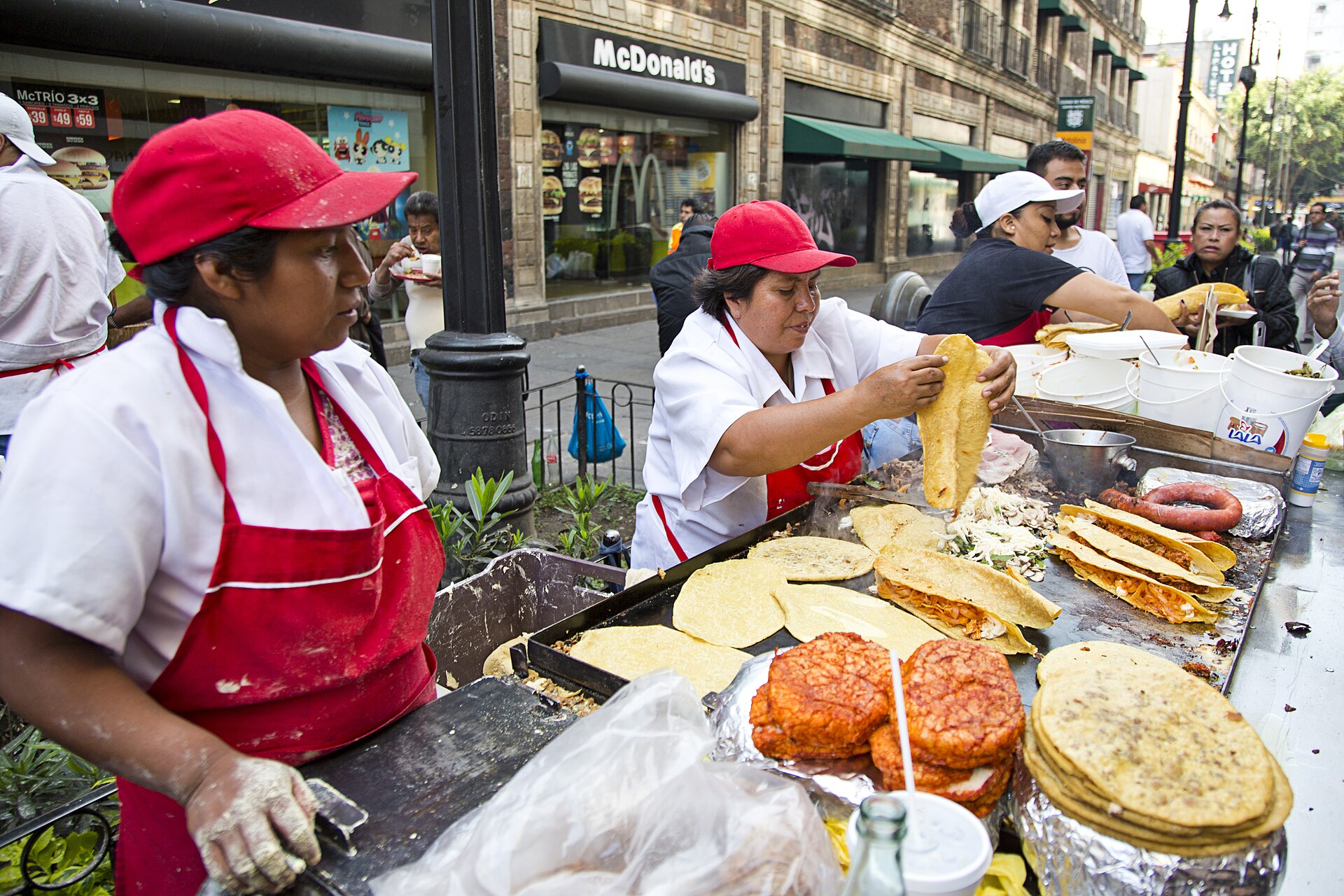
Eating on the street is one of the best reasons to come here and avoiding it entirely is a poor trade. The sensible filters are about turnover and temperature rather than appearance:
- Busy is safer than empty. High turnover means food that has not been sitting.
- Cooked hot in front of you, on a griddle or in oil, beats anything pre-assembled and lukewarm.
- Be more careful with raw salsas, unpeeled fruit and anything sitting in a room-temperature bowl if your stomach is not used to the water.
- Take hand sanitiser. Most stands have nowhere to wash.
- Expect a mild adjustment in the first few days regardless. Oral rehydration salts from any farmacia are the practical response; keep drinking, and if symptoms are severe, persistent, bloody or accompanied by high fever, see a doctor rather than self-treating. Nothing on this page is medical advice and it is not a substitute for a professional.
Altitude
Mexico City sits at 2,240 metres, roughly 7,350 feet, where available oxygen is about a quarter lower than at sea level. Most people adjust within one to three days. This is below the altitude at which serious altitude illness typically becomes a concern, so the honest framing is “pace yourself”, not “be afraid”.
Practically: make the first day a flat one, drink noticeably more water than usual, go gently on alcohol for the first twenty-four hours, and expect stairs to be harder than you think. Broken sleep and a mild headache on night one are common. If you have a heart or lung condition, are pregnant, or take medication that might be affected, discuss the trip with your own doctor before you travel — that is a conversation for a clinician who knows your history, not for a website.
Air quality
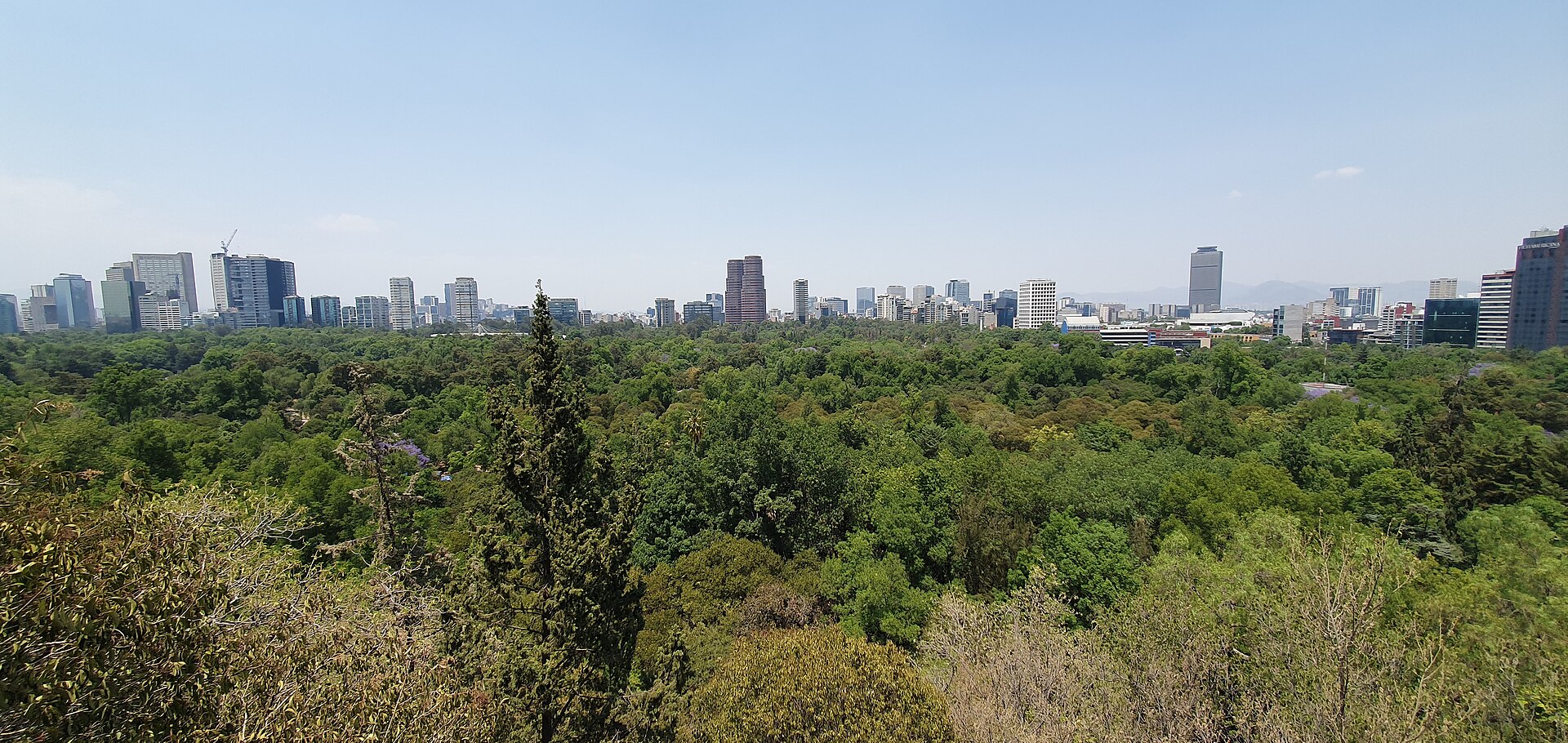
The city sits in a high valley ringed by mountains, which traps pollution. When ozone or particulates spike, the authorities declare a contingencia ambiental and advise reducing strenuous outdoor activity, particularly between 13:00 and 19:00. Live readings by district are published at aire.cdmx.gob.mx.
For most visitors on a short trip this is a mild inconvenience — move the long walk to the morning, do a museum in the afternoon. If you have asthma or another respiratory condition, check the readings daily, bring more than enough of your usual medication, and treat a contingency day as a day to be indoors.
Medical care and insurance
Private hospitals in Mexico City are good and are what most visitors use; they will generally expect payment or a direct insurance guarantee at the point of care. Travel insurance with medical cover is not optional here, and two clauses are worth reading before you buy: whether the policy is void if your own government advises against travel to where you are going, and whether it covers medical repatriation. Carry the policy number and the emergency assistance line somewhere that is not only on your phone, because your phone is the thing most likely to be stolen.
Pharmacies are everywhere, often with a consulting doctor attached for a small fee, and are the sensible first stop for minor problems. Bring prescription medication in its original labelled packaging with a copy of the prescription.
Earthquakes: what to actually do
This is a seismic city and residents treat it matter-of-factly. So can you, provided you do the five minutes of preparation on arrival rather than during an event.
- On your first day, find your building’s punto de reunión — the marked assembly point — and the route to it. Ask at reception. Nobody will find the question odd.
- The alert. A citywide seismic alert sounds through street loudspeakers and on phones, sometimes giving a short warning before shaking starts. It is tested every year on 19 September, the anniversary of the 1985 and 2017 earthquakes, as part of a national drill. If you are here on that date and it sounds, that is the drill.
- If it sounds and you are on a low floor with a clear, quick route out, leave calmly and go to the assembly point. If you are high up or the route is not clear, do not use lifts and do not run for stairs mid-shaking — move away from windows and heavy objects and take cover.
- Afterwards, expect mobile networks to be congested. Text rather than call. Agree a check-in plan with anyone travelling with you.
- Buildings. Established hotels run drills and train staff, which is one reason to prefer a hotel over an anonymous apartment on a first visit.
Different travellers, different exposure
Solo travellers
Common and unremarkable here. The adjustments are the ordinary ones: tell somebody your plan for the day, take a car rather than walk when you are unsure, and be more conservative about late nights in areas you do not know. Hostels in the Centro and Roma are sociable and are a reasonable way to find people to go out with.
Women travelling alone
Large numbers of women travel here alone without incident, and equally, street harassment is a real and commonly reported irritation rather than a rarity. The women-and-children carriages at the front of many Metro trains at peak exist because harassment on public transport was a sufficiently serious problem to legislate about — use them; they are there for that. Beyond that: apps rather than street taxis after dark, share your ride, be firm and unembarrassed about disengaging from conversations you did not start, and trust an instinct to leave a situation without needing to justify it.
LGBT+ travellers
Mexico City is among the more liberal capitals in the region. Same-sex marriage is legal, Zona Rosa is an established and visible scene, and the city holds a large annual Pride march. Attitudes in the central colonias are broadly relaxed. As anywhere, that consensus thins outside the centre and on some day trips, and discretion in unfamiliar surroundings remains a judgement call rather than an obligation.
Travellers of colour, and visibly foreign travellers
Mexico City is a large, mixed capital and visitors of every background go about their trips without difficulty. What everyone visibly foreign experiences is more attention from vendors, touts and unofficial “guides”, and slightly worse first prices. That is a nuisance, not a safety issue, and the answer to all of it is a polite no, gracias without breaking stride.
Disabled travellers
The city is physically difficult rather than hostile. Pavements are uneven and often blocked, kerb cuts are inconsistent, many Metro stations are stairs-only, and “accessible” is not a regulated claim on booking platforms here. Plan around large modern hotels, Metrobús rather than Metro where possible, and pre-arranged transport. Ask for measurements and photographs rather than trusting an amenity tick-box.
Families with children
Mexico City is warm towards children to a degree that surprises visitors from colder cultures, and that is a safety asset as much as a social one. The practical risks are traffic, sun at altitude, and the sheer distance between things. Shorter days, more park.
Scams you will actually meet
- The per-person trajinera. At Xochimilco the official tariff is 750 pesos per hour for the whole boat, not per person. Touts quote per person, quote in dollars, or add a compulsory “guide”. The rate is posted at the landings. Read the sign, then agree the number of hours out loud before you board.
- “The museum is closed today.” A stranger intercepts you near a major site and offers an alternative — a market, a shop, a cousin’s tour. Walk to the entrance and check for yourself.
- Fake officials. The FCDO specifically warns about criminals impersonating police. A real officer will not demand cash at the roadside. Ask for identification, decline to hand over your passport or wallet, offer to go to a station, and call the tourist police number below.
- The broken meter. In any taxi that is not on an app, agree the fare before you move, or do not get in.
- Distraction teams. Spilled liquid, a dropped object, a sudden crowding at a Metro door. If two things happen at once, your hand goes to your bag first and the puzzle second.
- Card switching and the “second swipe.” Watch your card. Refuse to have it taken away.
If something happens
- In the moment, do not resist. Phones and wallets are replaceable. Hand things over and disengage.
- Get somewhere populated and lit — a shop, a hotel lobby, a restaurant. Staff will help.
- Call 911 for anything urgent. It is the national emergency number and covers police, ambulance and fire.
- Call the tourist police for help as a visitor, including translation and guidance through the process.
- Report it formally at a Ministerio Público office if you need a police report. You almost certainly do, because no insurance claim for theft will be paid without one. Get a copy or a folio number.
- Cancel cards immediately, using the numbers you wrote down somewhere other than your phone.
- Contact your embassy or consulate for a lost or stolen passport, for serious crime, or for hospitalisation. They can issue emergency travel documents and connect you to local support; they cannot pay your bills or get you out of legal trouble.
- Tell your insurer within the window your policy specifies, which is often shorter than people assume.
Verified numbers
Checked September 2026.
| Service | Number | What it is for |
|---|---|---|
| National emergency | 911 | Police, ambulance, fire. Anywhere in Mexico. |
| Mexico City Tourist Police | 55 5533 5533 | 24 hours, for international visitors |
| Tourist Police, WhatsApp | 55 4891 1166 | Messaging, useful if calling is difficult |
| Locatel | 55 5658 1111 | 24-hour city information and guidance for non-urgent situations. English-speaking staff. |
| Ángeles Verdes | 078 | Roadside assistance on federal highways and toll roads only |
One correction worth making, because it circulates widely: 078 is not a general tourist helpline. It is the Ángeles Verdes roadside assistance service run by the federal tourism ministry, for breakdowns on highways. Plenty of guides list it as the number to call if something happens to you in the city. It is not. Use 911, or the tourist police number above.
Save all of these to your phone and write them on paper. The scenario in which you need them is disproportionately the scenario in which you no longer have the phone.
What this page cannot tell you
The required honesty, set out plainly.
- Nobody from this site has been assaulted, robbed or hospitalised in Mexico City, and nothing here is based on personal experience of crime. It is compiled from official advisories and published operator and government guidance, dated where it is quoted.
- The Ciudad de México entry in the US advisory could not be read directly when this page was prepared, because the site blocked automated access. The country-level position given above is from secondary reporting of the 29 May 2026 reissue, which is a weaker source, and the page says so rather than presenting it as verified.
- No crime statistics are quoted here. Mexican crime data has well-documented reporting gaps, official figures and victimisation surveys diverge substantially, and a number lifted out of that context would look more authoritative than it deserves. Ranked-city “safety index” scores, which several guides reproduce, are crowdsourced perception measures and not measurements of risk.
- Advisories change. Everything here is a September 2026 snapshot. Check before you fly, and check the specific state for any day trip.
- This is not medical advice. Altitude, air quality, stomach illness and medication questions are for a clinician who knows your history.
- Safety is not a guarantee anyone can give. The purpose of this page is to put the probabilities in the right order and give you a plan for the unlucky case, not to promise you an outcome.
Frequently asked questions
Is Mexico City safe for tourists in 2026?
For visitors staying in the central colonias and taking normal urban precautions, yes, in the sense that the great majority of trips pass without incident and the realistic risks are theft-shaped rather than violent. The US advisory placed Mexico at Level 2, Exercise Increased Caution, when reissued on 29 May 2026, with six states at Level 4 and Mexico City carrying its own separate entry; the UK does not advise against travel to the capital. Read your own government’s current entry for Ciudad de México before you go.
Is it safe to walk around Mexico City at night?
On busy, lit streets in Roma, Condesa, Juárez, Polanco, Coyoacán and the tourist core of the Centro, walking in the evening is ordinary and widely done. Later at night, on emptier streets, or anywhere you do not know, take a car — an app ride across the centre costs less than a museum ticket and removes the question entirely.
Is the Mexico City Metro safe?
Yes, for the reason that millions of people use it daily without incident, and with the qualification that it is where pickpocketing of visitors most commonly happens. Keep your bag in front of you, avoid peak crush with valuables, use the women-and-children carriages if they apply to you, and be more cautious late at night.
Can I drink the tap water?
It is not generally drunk. Hotels and apartments supply purified water; ice in established venues is made from purified water. This is a normal part of daily life here rather than an emergency.
Is street food safe in Mexico City?
Broadly, if you choose for turnover and temperature: busy stands, food cooked hot in front of you, and more caution with raw salsas and unpeeled fruit early in the trip. Avoiding street food entirely costs you a great deal and buys less protection than people assume.
Will I get altitude sickness?
Most people get a mild adjustment rather than an illness — broken sleep, a headache, breathlessness on stairs — and are fine within one to three days. At 2,240 metres this city is below the altitude where serious altitude illness typically becomes a concern. Take the first day easy, drink more water than feels necessary, and speak to your own doctor beforehand if you have a relevant condition.
What should I do if I am robbed?
Do not resist. Get somewhere populated, call 911 if it is urgent and the tourist police on 55 5533 5533 for help as a visitor, and file a report at a Ministerio Público office — you will need it for any insurance claim. Cancel your cards using numbers you have written down somewhere other than your phone, and contact your embassy if your passport is gone.
Are day trips as safe as the city?
They are assessed separately, which is the point of the state-by-state structure. Teotihuacán is in the State of Mexico; Puebla, Tepoztlán and Cuernavaca are in other states again, each with its own advisory entry and sometimes route-specific notes. Check the destination state and the road, not just “Mexico”.
Do I need travel insurance with medical cover?
Yes, and read two clauses before buying: whether the policy is void if your own government advises against travel to your destination, and whether medical repatriation is included. Keep the policy number and assistance line on paper as well as on your phone.
Is Mexico City safe for solo female travellers?
Large numbers of women travel here alone without trouble, and street harassment is nonetheless commonly reported and genuinely annoying. Use the women-and-children Metro carriages at peak, use apps rather than street taxis after dark, share your trips, and give yourself permission to leave any situation without explaining why.
The arrivals hall is where the single clearest piece of transport advice on this page applies. Our Mexico City airport guide covers the authorised taxi counters, the current state of the rideshare pickup dispute, and what to do when a connection, a terminal transfer or a late-night arrival goes wrong.
The day trip most visitors take is a useful illustration of why advisories are read state by state. Our guide to Teotihuacan from Mexico City notes that the site sits in the State of Mexico rather than the capital, and covers the practical risks that actually affect people there — sun, dehydration and altitude on a site with essentially no shade.
The per-person trajinera quote mentioned above is worth a page of its own. Our Xochimilco guide gives the official tariff, explains the four ways visitors are routinely overcharged on the canals, and sets out the return plan that stops a good afternoon ending badly after dark.
The transport advice above is summarised; the operational detail lives elsewhere. Our guide to getting around Mexico City covers the women-and-children carriages, the peak hours worth avoiding with valuables, why you should never hail a taxi in the street, and the accessibility realities of a system where many stations are stairs only.
Most of what keeps a first trip smooth here is preparation rather than vigilance: an unlocked phone with a working eSIM, a card that will not be frozen, a saved address with its colonia, and an easy first afternoon at 2,240 metres. Our Mexico City travel tips for first timers set out the whole pre-departure checklist.
Related Mexico City Guides
- Where to Stay in Mexico City — how the central colonias compare, including the street-level checks worth doing before you book.
- Mexico City Itineraries — trip lengths compared, including why an easy first day at 2,240 metres is a planning decision rather than an indulgence.
- Things to Do in Mexico City — what you came for, with opening rules and admission prices.
Dedicated guides to solo female travel, the Metro, tap water, street food, altitude, air quality, scams, earthquakes, emergency numbers and travel insurance are being published to this section over the coming weeks.
Sources and verification
- US State Department Mexico Travel Advisory, reissued 29 May 2026: country-level Level 2 “Exercise Increased Caution”; six states at Level 4 “Do Not Travel” (Colima, Guerrero, Michoacán, Sinaloa, Tamaulipas, Zacatecas); Campeche and Yucatán at Level 1. Obtained via secondary reporting because travel.state.gov returned an automated-access block when checked. Checked September 2026. Read the Ciudad de México entry at the source before travelling.
- UK FCDO foreign travel advice for Mexico, safety and security: advises against all but essential travel to parts of Mexico, not including Mexico City; names street crime, pickpocketing on public transport and criminals impersonating police; advises against unlicensed taxis in favour of authorised sitio ranks or hotel-arranged cars; directs readers to Locatel and notes English-speaking staff. Checked September 2026.
- Emergency and assistance numbers: 911 national emergency; Mexico City Tourist Police 55 5533 5533, 24 hours for international visitors, and WhatsApp 55 4891 1166; Locatel 55 5658 1111, 24-hour non-emergency information; Ángeles Verdes 078, federal highways and toll roads only, operated by SECTUR. Sources include the Mexico City government’s visitor emergency pages and the FCDO. Checked September 2026.
- Altitude: 2,240 m, approximately 7,350 ft, with available oxygen roughly a quarter lower than at sea level; below the threshold at which serious altitude illness typically becomes likely. Checked September 2026.
- Air quality: contingencia ambiental declarations advise reducing strenuous outdoor activity, particularly 13:00–19:00; live readings by district at aire.cdmx.gob.mx. Checked September 2026.
- Seismic alert: citywide alert broadcast through loudspeakers and phones, tested annually on 19 September as part of the national drill. Checked September 2026.
- Xochimilco tariff: official Alcaldía Xochimilco 2026 rate of 750 pesos per hour per trajinera, not per person, posted at the authorised landings. Checked September 2026.
- Metro women-and-children carriages at peak hours, signposted and enforced. Checked September 2026.
- Airport rideshare: a federal transport notice and the platforms’ own operating guidance have been in conflict, and the position has changed more than once. This page asserts no current lawful position. Noted September 2026.
Photo Credits
Calle Madero, Centro Histórico: Calle Madero – Mexico City by ProtoplasmaKid, CC BY-SA 4.0, via Wikimedia Commons.
Street taco and quesadilla stand: Street taco stall in Mexico City by Cttm 25, CC0, via Wikimedia Commons.
The Metro at Patriotismo, Chapultepec Castle and Roma Norte photographs are credited on their original appearance in this site’s media library.