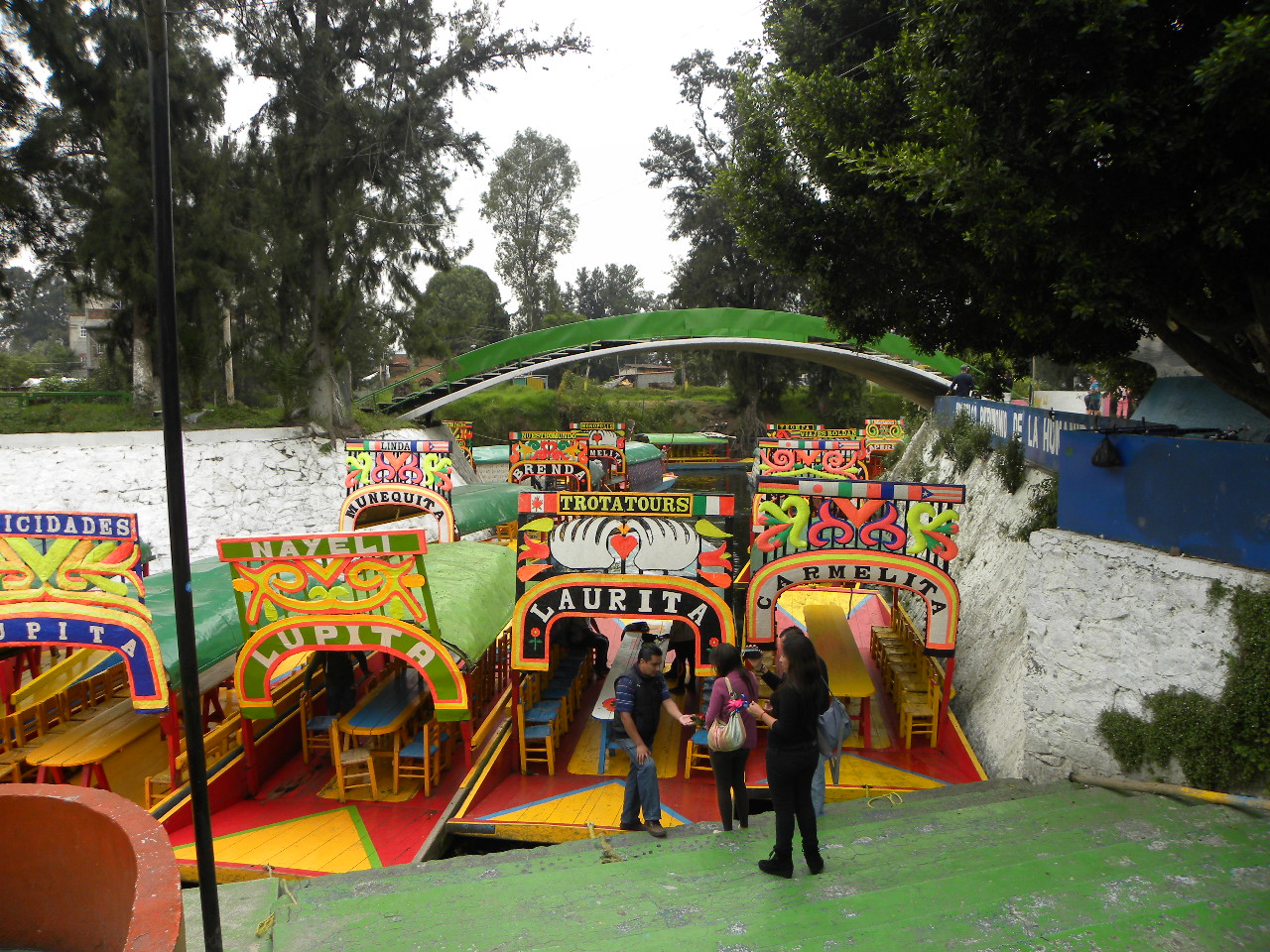
The number that matters most in this Xochimilco Mexico City guide is 750. That is the official 2026 tariff, set by the Alcaldía Xochimilco, for one hour on one trajinera — the whole boat, not one seat. A trajinera takes up to eighteen people at that same rate, and it applies at every authorised landing. If somebody quotes you a price per person, quotes you dollars, or adds a compulsory “guide”, they are charging you outside the official tariff, and knowing that one number is worth more than everything else on this page.
What follows is the rest: which of the eleven landings to use and why they are not interchangeable, what a boat trip actually involves, how to get there and back, the chinampas and the axolotls that make this a UNESCO World Heritage site rather than a party venue, and an honest account of when Xochimilco is wonderful and when it falls flat.
What Xochimilco actually is
It is the last surviving fragment of the lake system that Mexico City was built on and then drained. Around 184 kilometres of canals in the far south of the city, threaded between chinampas — artificial agricultural islands built up from lake mud and staked with willows, a pre-Hispanic farming technology that is still, in places, in working use.
That is why it carries a UNESCO World Heritage listing, shared with the Centro Histórico since 1987: not for the painted boats, but for a continuously farmed landscape that is nearly a thousand years old and now among the most threatened in Mexico.
What visitors mostly encounter, though, is the trajinera: a flat-bottomed punt with a barrel-vaulted roof, painted in hard primary colours, with a woman’s name arched over the bow and wooden chairs down the sides, poled along by a remero while mariachi boats, food boats, flower boats and marimba boats pull alongside. It is a party, unapologetically, and that is the honest thing to say about it.
Both things are true at once, and which of them you get depends almost entirely on which landing you choose and what day you go.
The tariff, and how the money works
| What | Cost | Basis |
|---|---|---|
| Trajinera hire | 750 pesos per hour | Per boat, not per person. Up to about 18 passengers. Official Alcaldía tariff, applies at every authorised landing. |
| Mariachi | Negotiated, per song | Agreed before they start playing. Typically a few hundred pesos a song. |
| Marimba or norteño trio | Negotiated, per song | Cheaper than mariachi |
| Food from a boat | Negotiated, per plate | Quesadillas, elotes, micheladas. Agree the price before it is handed over. |
| Flowers, blankets, hats | Negotiated | Opening prices are high |
| Parking at a landing | Varies | Cash |
Four rules that make the day work:
- The tariff is posted at the landings. Read the sign before you agree to anything. It is not hidden.
- Agree the number of hours out loud, at the boat, before you board, and agree it with the person who will be poling you. Two hours is the standard trip and is enough for most people.
- Everything that comes alongside costs extra and is negotiated per item. A mariachi playing unasked is not a gift. Wave them off or agree a price first.
- It is cash only on the water. Bring more than you think in small notes — there are no cash machines on a canal.
The common ways visitors end up overpaying, in order of frequency: agreeing a per-person price; not agreeing the duration in advance and being charged for three hours after two; letting music start before a price is set; and being steered by a tout to an unofficial landing. All four are avoided by the same behaviour — walk to an authorised landing yourself, read the posted tariff, and settle the terms before you step on board.
Which landing? They are not the same
There are about eleven authorised embarcaderos, and choosing between them is the most consequential decision of the day. They all charge the same tariff. They deliver quite different afternoons.
| Landing | Character | Suits |
|---|---|---|
| Nativitas | The biggest, busiest and most commercial. Crowded canals, maximum music, maximum vendors, full party. | Groups, first-timers who want the spectacle, weekends |
| Las Flores Nativitas | Beside Nativitas and similar in feel, with a large boat fleet and good facilities. | The default for most visitors |
| Zacapa | Traditional, slightly calmer, close to the Bosque de Nativitas. | A middle option |
| Cuemanco | Quieter, on the ecological side, nearest the working chinampas and the conservation area. | Birdlife, chinampa tours, anyone who wants the landscape rather than the party |
| Fernando Celada | Close to Xochimilco town centre and the market. Convenient for combining with the market and the church. | Half-day visits arriving by Tren Ligero |
| Belem, Caltongo, San Cristóbal and others | Smaller, more local, quieter canals. | Return visitors |
The short version: Nativitas or Las Flores if you want the full Xochimilco experience with the noise and the colour, Cuemanco if you want the chinampas, the herons and something closer to what the place actually is.
Getting there and back
Xochimilco is a long way south — roughly 25 kilometres from the Centro Histórico — and getting back is the part people fail to plan.
| From | How | Time | Cost |
|---|---|---|---|
| Centro Histórico | Metro Line 2 to Tasqueña, then Tren Ligero to Xochimilco (the end of the line) | 60–90 min | 5 pesos Metro + light rail fare, on the Movilidad Integrada card |
| Roma or Condesa | Metro Line 3 to Tasqueña via Centro, then Tren Ligero; or a car | 60–80 min by transit, 40–60 by car | As above, or app fare |
| Coyoacán | Car, or Tren Ligero from Tasqueña | 30–55 min | Low |
| Anywhere | App ride or taxi | 40–70 min | Highest, and the easiest with a group |
The Tren Ligero terminus at Xochimilco is a ten-to-fifteen-minute walk or a short taxi ride from the nearest landings, and further from Cuemanco. Touts congregate at the station and along the walk; you do not need them, and walking past them to a posted tariff board is the whole defence.
The return plan is the bit to get right. Boats generally run from about 08:00 to 18:00, and the canals empty quickly at dusk. Decide before you board what time you are getting off the water, and either leave enough daylight to reach the Tren Ligero, or book a car for a set time. Mobile coverage at the landings is workable but not reliable, and the walk back from some landings is not somewhere to be improvising after dark.
The chinampas, the axolotls, and why this is a World Heritage site
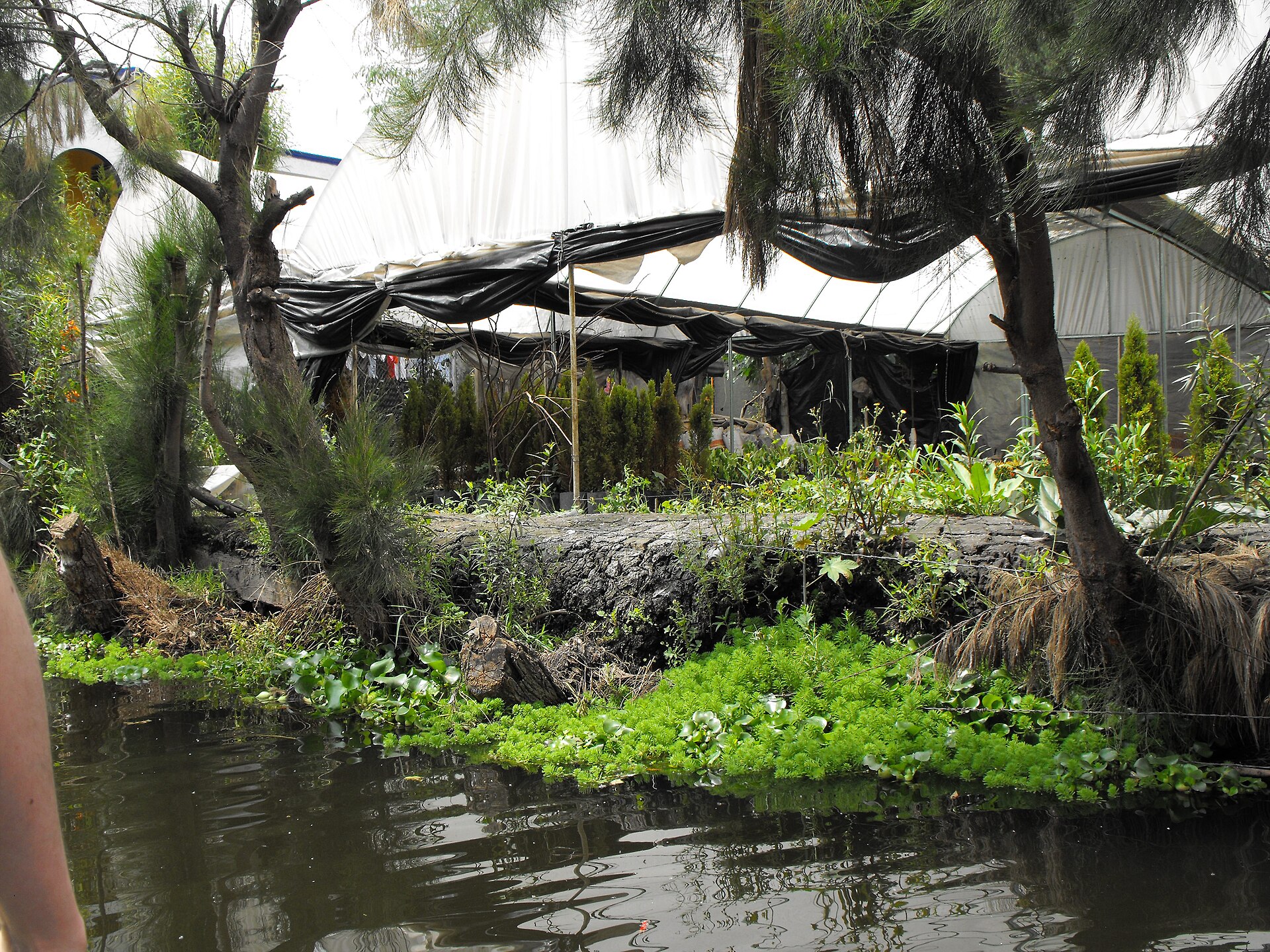
The chinampa is one of the most productive agricultural systems ever devised: rectangular plots built up from lake sediment and vegetation, anchored by willow trees, separated by canals that both irrigate and drain them, and capable of several harvests a year without mechanisation. They fed Tenochtitlan. A working chinampa today grows lettuce, herbs, chard, maize and flowers, and a handful of growers now supply restaurants in the city directly.
They are also under pressure, from urbanisation, water quality, subsidence, and from plots being converted from farming to football pitches and party venues. UNESCO’s listing recognises a living cultural landscape, and living landscapes can stop living.
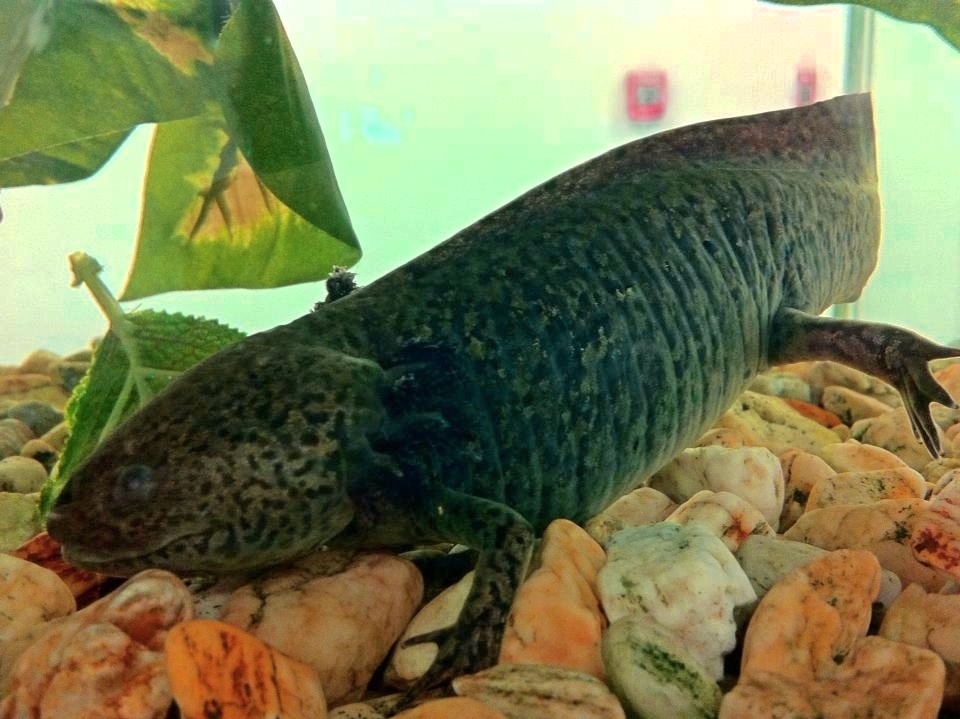
And then there is the axolotl — ajolote, Ambystoma mexicanum — a salamander that never metamorphoses, keeps its feathery external gills into adulthood, regrows limbs, and exists in the wild in essentially one place on the planet: these canals. It is critically endangered in the wild, from water pollution and from introduced carp and tilapia that eat the eggs. It is simultaneously abundant in laboratories and aquariums worldwide, which makes for a strange and slightly grim contrast — the animal is everywhere and nearly gone.
You will not see one from a party boat. Do not expect to. What you can do:
- Take a chinampa or ecological tour from Cuemanco, several of which are run by growers and by university-linked conservation projects, and which go into the quieter canals with an explanation of the farming and the restoration work.
- Visit the axolotl refuge and conservation facilities associated with the ecological park — these are a genuine sanctuary rather than a photo opportunity, and arrangements vary, so check in advance.
- Take your rubbish with you, do not buy an axolotl, and do not release anything into the water. The canals are a functioning habitat.
One thing to be clear about: a two-hour party trip from Nativitas is not a conservation experience, and this page is not going to pretend otherwise. Both kinds of visit are legitimate. Just know which one you have booked.
How a lake became a city, and what is left
Some history, because it explains both the canals and why the rest of Mexico City keeps sinking.
The valley held a shallow, interconnected lake system — Texcoco, Xochimilco, Chalco, Xaltocan and Zumpango — and the Mexica built Tenochtitlan on an island in the middle of it, connected to the shore by causeways. Xochimilco, at the southern end, was where the food came from: freshwater, fed by springs, and turned into chinampa farmland on a scale that could feed a city of a quarter of a million people.
After the conquest the Spanish, uneasy with a city that flooded and with canoes they could not control, began draining the lakes. The project ran for four centuries. The great desagüe works finally emptied most of the basin, and what was left underneath was soft lacustrine clay — which is why the cathedral leans, why the Palacio de Bellas Artes has sunk several metres into the ground, and why the city’s subsidence is measured in centimetres a year.
Xochimilco is the surviving remnant of all that water. It kept its canals because it kept farming them, and the chinampas held on into the twentieth century as the city’s market garden. What is threatening them now is not drainage but the city itself: groundwater extraction dropping the water table, treated wastewater of uncertain quality replacing spring water, and the economic pressure to convert a plot from lettuces to a football pitch or a party venue.
So when you are on the water, you are floating on the last fragment of the lake the city forgot it was built on. That is a better frame for the afternoon than “boats with music”, and it costs nothing to carry.
The other Xochimilco: a chinampa morning
If the party is not what you came for — or if you have already done it — the alternative is genuinely different and almost nobody books it.
From Cuemanco, several operators, including grower cooperatives and projects linked to UNAM and other institutions, run morning trips into the working canals. A typical one poles you out at first light, when the water is still and the herons are up, past chinampas under cultivation, and lands on one where somebody explains the system: how a plot is built, how the almácigo seedbeds work, what is in season, why the willows matter. Some include breakfast grown on the plot. Some include the ecological restoration work and the axolotl refuges.
It costs more than a standard boat and takes half a day, and it is the version of Xochimilco that people who live in this city recommend to each other. Book it in advance; these are small operations and they do not run on demand.
The realistic caveat: operators, routes and what is included vary a great deal, and some “eco” trips are a standard boat with a different label. Ask three questions before you book — do we land on a chinampa, does a grower or a biologist come with us, and how long are we actually on the water. Vague answers mean a standard trip.
What a trip actually involves
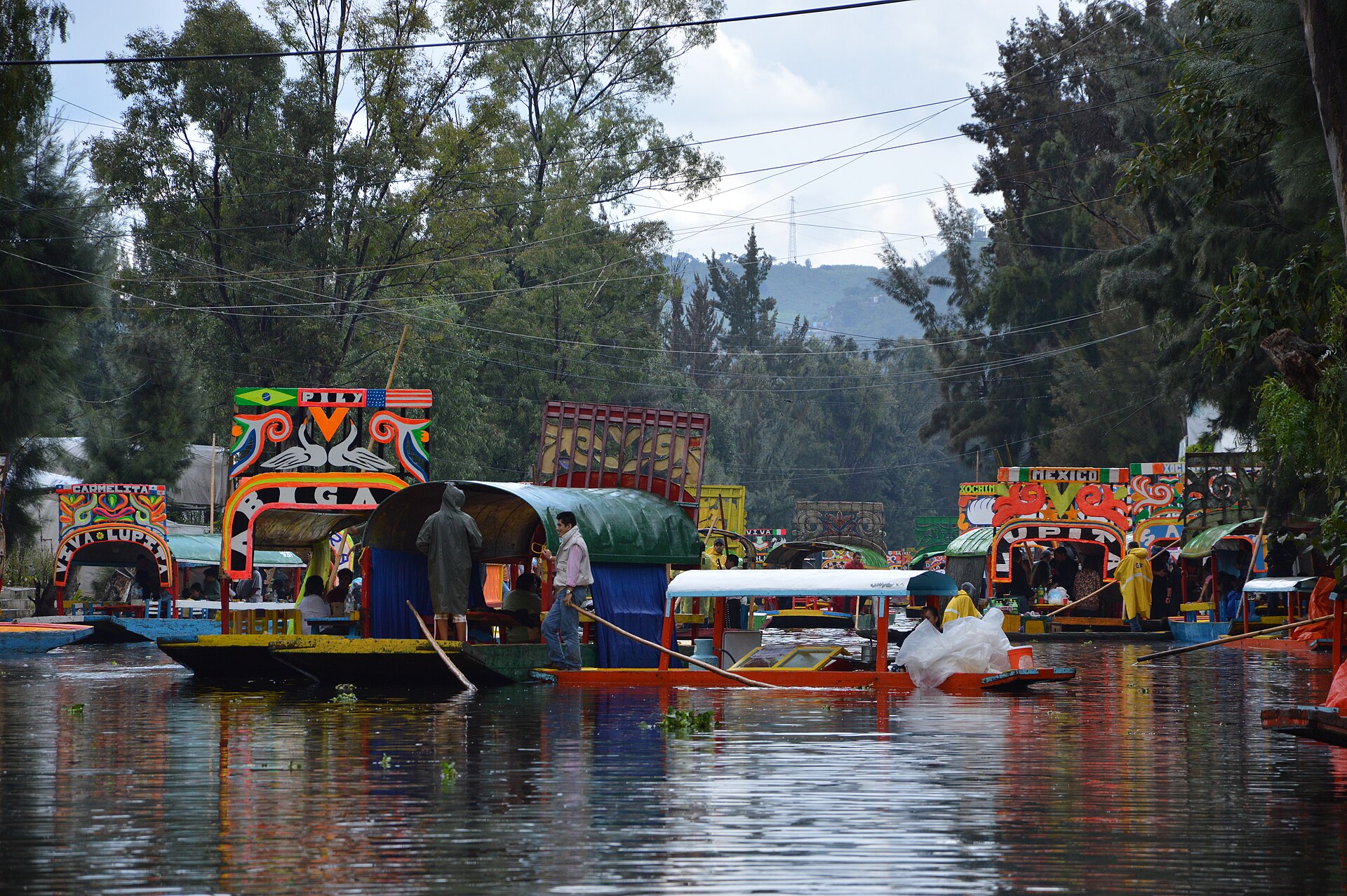
You choose a boat — they are named, and people do choose by name — agree the hours, and step on. A remero poles you out, standing at the stern with a long pole, at walking pace. The canals are shallow and slow and there is essentially no way this becomes exciting, which is the point.
Within ten minutes something will pull alongside. Over two hours you can expect: a mariachi boat, a marimba trio, a food boat, a boat selling micheladas and beer, a woman selling flower crowns, somebody offering to photograph you, and at least one vendor with hats. All of it is optional, all of it is negotiated, and none of it is aggressive by the standards of tourist sites elsewhere.
Bring your own food and drink if you want to. This is entirely normal and most Mexican groups do it — a cooler, some beer, something to eat. Nobody minds, and it is much cheaper than buying from the boats.
The famous longer trip goes to the Isla de las Muñecas, the Island of the Dolls, where a man spent decades hanging dolls in the trees. It is a real place and it is genuinely eerie, but it is far out — realistically a four-hour round trip, which at the hourly tariff is 3,000 pesos for the boat. Worth it for a group of eight; poor value for two. There are closer imitation “doll islands” set up for shorter trips, and it is worth asking which one you are being taken to.
When to go, and when not to
- Saturday and Sunday are the right days. This is a place that works because of people, and a Xochimilco with nobody on the water is a slow boat ride between concrete banks. If you want the experience, go at the weekend.
- Weekdays are for the chinampas, not the party. Quiet canals, working growers, birds. A different and very good day, from Cuemanco.
- Midday to late afternoon is when it is liveliest. Boats generally run 08:00 to 18:00.
- Día de Muertos brings a special and extraordinary atmosphere, with candlelit night trips in some years — and correspondingly large crowds.
- The rainy season is not an obstacle: the boats have roofs. Wind and cold are what spoil it, which makes winter evenings less appealing than the listings suggest.
- Bring layers. You are sitting still, on water, at 2,240 metres, and it gets cold on the way back much faster than you expect.
Access, children and groups
Boarding is the difficulty. Getting onto a trajinera means a step down from a quay onto a rocking flat-bottomed boat, often over the side of another boat. There are no ramps and no standardised assistance. For a wheelchair user this is a serious obstacle and it should be arranged in advance with a specific operator rather than attempted on arrival; some operators can accommodate it with notice and staff. For anyone unsteady on their feet, go on a weekday when the boats are not rafted three deep, and ask the remero for a hand — they will give one.
Children generally love it, and the boats have solid roofs and fixed seating. Life jackets are not universally provided — ask, and if you are travelling with small children who cannot swim, ask before you choose a boat rather than after.
Groups are where the economics become excellent. At 750 pesos an hour for up to eighteen people, a two-hour trip for a group of ten costs 150 pesos a head. It is one of the best-value days out in the city and the reason Xochimilco is where Mexico City celebrates birthdays.
There are no toilets on a trajinera. Go before you board; two hours is a long time on the water after a michelada.
What to bring
- Cash, in small notes. More than you think. Everything on the water is cash, and nobody has change for a five-hundred.
- Layers. You are sitting still on water at altitude. The temperature drops quickly once the sun is low, and the roof that keeps rain off also keeps sun off.
- Sun protection anyway. The boat has a roof, but the light comes off the water sideways all afternoon.
- Your own food and drink, if you want to keep the cost down. A cooler is entirely normal.
- A bag you can keep on your lap. Things go over the side, and the canals are not clear.
- Insect repellent in the rainy season.
- A charged phone and an agreed return plan. Coverage is patchy and the canals are dark early.
If it does not go to plan
| Problem | What to do |
|---|---|
| You are quoted a per-person price | That is outside the official tariff. Walk to the posted board, or to the next boat. There are hundreds. |
| A tout intercepts you near the station | Keep walking to an authorised landing. You do not need an intermediary to hire a boat. |
| Mariachi start playing without being asked | You are not obliged. Say no clearly, or agree a price for a set number of songs before they continue. |
| You are running out of cash | There are no machines on the water. Agree a shorter trip at the start rather than a longer one you cannot pay for. |
| The canals are dead and it feels flat | You have come on a quiet weekday to a party landing. Either move to Cuemanco for the ecological trip, or come back at the weekend. |
| It is late and you have no way back | Do not leave this to chance. Book a car for a fixed time before you board, or be off the water with daylight left for the Tren Ligero. |
| Bad weather | The boat has a roof. Cold and wind are the real spoilers, not rain. |
What else is in Xochimilco
- Xochimilco town centre — a proper market, the sixteenth-century church and monastery of San Bernardino de Siena, and a plaza that most visitors never see because they go straight from the station to the water.
- Museo Dolores Olmedo, at La Noria — reopened on 30 May 2026 after more than five years closed, holding one of the most significant private collections of Diego Rivera and Frida Kahlo anywhere. Tuesday to Sunday, 10:00 to 18:00. Most English-language guides still list it as shut.
- Parque Ecológico de Xochimilco, near Cuemanco — wetland, birds and the ecological side of the canals.
- The plant and flower markets at Cuemanco and Madreselva, which are enormous and are where the city buys its plants.
Pairing Xochimilco with Coyoacán in one day is the standard and sensible combination — they are both in the south and about forty minutes apart. Coyoacán in the morning, the canals in the afternoon.
Is it actually any good? An honest verdict
Xochimilco divides visitors more sharply than anything else in this city, and the split is almost entirely predictable from how people go.
People who love it went at the weekend, in a group of six or more, with their own beer, having agreed the price before boarding. They paid a hundred and fifty pesos each for two hours, hired a mariachi for three songs, ate quesadillas off a boat, and spent an afternoon on the water in a city of twenty million doing something that has no equivalent anywhere else. For them it is one of the best days of the trip.
People who are disappointed went as a couple on a Tuesday, paid 1,500 pesos for two hours between two of them, drifted down a half-empty canal past concrete banks and rubbish in the water, were approached by vendors they did not want, and could not work out what everyone else was so excited about. Their reaction is entirely reasonable. They were sold a party and given a boat ride.
So the honest advice is conditional, not enthusiastic. If you are two people on a weekday, either bring the energy yourself, take the Cuemanco chinampa trip instead, or skip it. There is no shame in deciding Xochimilco is not for you; there is a great deal of frustration in going on the wrong day and blaming yourself.
And one thing nobody tells you: the water is not clean. It is a functioning urban canal system carrying treated wastewater, with duckweed and litter in places. Photographs crop it out. Knowing that in advance is better than discovering it forty minutes in.
Frequently asked questions
How much does a trajinera cost in Xochimilco?
The official 2026 tariff is 750 pesos per hour for the whole boat, not per person, at every authorised landing, for up to about eighteen people. Music, food and drink from passing boats are extra and negotiated separately. Anyone charging per person is charging outside the tariff.
Which embarcadero should I use?
Nativitas or Las Flores Nativitas for the full, busy, colourful experience; Cuemanco for the quieter canals, the working chinampas and the ecological tours; Fernando Celada if you want to combine the canals with Xochimilco’s market and church.
How do I get to Xochimilco from the centre of Mexico City?
Metro to Tasqueña, then the Tren Ligero to the end of the line at Xochimilco, which is about 60 to 90 minutes in total and costs very little on the Movilidad Integrada card. A car takes 40 to 70 minutes and is much easier with a group.
How long should the boat trip be?
Two hours is the standard and suits most people. Four hours is what a round trip to the Isla de las Muñecas takes, which at the hourly rate makes sense for a large group and poorly for a couple.
Do I need to book in advance?
No. Boats are hired on the spot at the landings and there are hundreds of them. Booking ahead is only worth it for a specialist chinampa or ecological tour from Cuemanco, or if you need accessible boarding arranged.
Is Xochimilco worth it?
Yes, with a condition: it is worth it at the weekend, with people, and ideally with a group. On a quiet weekday at a party landing it can feel like a slow boat ride between concrete banks, and visitors who go then often come away puzzled by the fuss. Go on a Saturday, or go to Cuemanco on a weekday for the chinampas instead.
Will I see an axolotl?
Not from a trajinera. The axolotl is critically endangered in the wild and lives in these canals and essentially nowhere else on earth. To learn about it properly, take a chinampa or ecological trip from Cuemanco, or visit one of the conservation facilities associated with the ecological park.
Can I bring my own food and drink?
Yes, and most Mexican groups do — a cooler, beer, something to eat. It is entirely normal and considerably cheaper than buying from the boats.
Is it safe?
It is a well-policed tourist area and the realistic problems are commercial rather than criminal — overcharging, per-person quotes, a compulsory “guide”. Use authorised landings, read the posted tariff, agree terms before boarding, and plan your return before dark. Drinking on the water is normal; falling in is not, and the canals are not clean.
Is there a toilet on the boat?
No. Go before you board.
Related Mexico City Guides
- Things to Do in Mexico City — where the canals sit among everything else.
- Mexico City Itineraries — Xochimilco is a five-day addition, and it pairs with Coyoacán.
- Best Museums in Mexico City — including the Museo Dolores Olmedo at La Noria, reopened in May 2026.
- Best Time to Visit Mexico City — the seasons and the Día de Muertos crowds.
- Is Mexico City Safe for Tourists — including the per-person trajinera quote, which is the commonest overcharge in the city.
Dedicated guides to trajinera prices and booking, sunrise and chinampa trips, the Isla de las Muñecas and visiting with children are being published to this section over the coming weeks.
Sources and verification
- Trajinera tariff: official Alcaldía Xochimilco rate of 750 pesos per hour per trajinera in 2026, applying at all authorised landings, per boat rather than per person, for up to approximately 18 occupants. Confirmed against the Alcaldía’s own public communications. Authorities advise hiring only at official embarcaderos and confirming duration and inclusions in advance; charging per person or above the rate is a breach of the established tariff. Checked September 2026.
- Canals and landings: approximately 184 km of waterways served by about 11 official embarcaderos, the most traditional being Nativitas, Zacapa and Las Flores, near the Bosque de Nativitas. Checked September 2026.
- Hours: boats generally operate approximately 08:00–18:00. Checked September 2026.
- UNESCO: Xochimilco shares a World Heritage listing with the Historic Centre of Mexico City, inscribed 1987, as a living cultural landscape. Checked September 2026.
- Axolotl: Ambystoma mexicanum, endemic to the Xochimilco canal system and critically endangered in the wild, threatened by water quality and introduced fish. Checked September 2026.
- Museo Dolores Olmedo: reopened 30 May 2026 at its original La Noria site in Xochimilco; Tuesday to Sunday 10:00–18:00. Checked September 2026.
- Transport: Metro 5 pesos flat, Tren Ligero from Tasqueña to Xochimilco, all on the Movilidad Integrada card; no 2026 increase on the Tren Ligero. Checked September 2026.
What this page does not claim. Nobody from this site hired a boat, negotiated with a mariachi or took an ecological tour on the dates published. The tariff is the published official rate and is stated as such; every other price here — music, food, flowers, tours — is explicitly negotiated between individuals and no figure is quoted for it. An official tourism page carrying an older tariff has remained in circulation, which is why this page gives the rate posted at the landings and tells you to read the board rather than trusting any website, including this one. Accessible boarding arrangements vary between operators and were not tested; contact a specific operator rather than relying on a general assurance. Conservation facility access arrangements change and should be confirmed before travelling south.
Photo Credits
Boarding at Las Flores Nativitas: Abordaje de trajinera, Xochimilco, México by Beatriz Ariadna Bonilla Pérez, CC BY-SA 4.0, via Wikimedia Commons.
Axolotl: Ajolote (Ambystoma mexicanum) by David Arqueas, CC BY-SA 4.0, via Wikimedia Commons.
Working chinampa: Invernadero de pinos en Xochimilco by KatyaMSL, CC BY-SA 4.0, via Wikimedia Commons.
The trajineras on the canal photograph is credited on its original appearance in this site’s media library.