Arriving in Roma on a Tuesday to find every shop, bar and restaurant refusing to serve alcohol is not a sign that something has gone wrong. It is the ley seca, and Mexico City imposes it borough by borough — which means one colonia can be dry while the next one over is not. Nothing else in this mexico city nightlife guide will save you an evening as reliably as knowing that rule exists, because it applies to restaurants and convenience stores as well as clubs, it is announced in the city’s official gazette rather than on any venue’s website, and it arrives on more dates than most visitors would guess.
The short answer: pick your evening
| If you want… | Go to… | Typical spend | Book? |
|---|---|---|---|
| A great night out that is unmistakably Mexican | Lucha libre at Arena México | 200–1,240 MXN | Yes, especially Friday |
| World-class cocktails | Juárez, Roma Norte, Condesa | 150–350 per drink | The top rooms, yes |
| Mezcal taken seriously | A mezcalería in Roma or the Centro | 80–250 per pour | No |
| Live mariachi | Plaza Garibaldi | Per song, negotiated | No |
| Dancing to a live band | A salón de baile in the Centro | 150–400 entry | Check the night |
| A view rather than a scene | A rooftop, or the Torre Latinoamericana | 220 for the deck | No |
| Culture, then bed | Bellas Artes, Ballet Folklórico | ~300–1,000 | Yes |
| A night out with no alcohol in it | Café, cinema, deck, arena | Varies | Rarely |
Two structural things about nights out here. First, they start late — a restaurant at 21:00 is normal, a bar at 23:00 is early, and a club before midnight is empty. Second, almost nothing on this page needs to be planned more than a day ahead, with the exception of the Friday lucha libre card and the handful of internationally ranked cocktail rooms.
Ley seca: the rule that decides whether you drink at all
Mexico City periodically suspends the sale of alcohol entirely. It is not a curfew and it is not a licensing quirk — it is a full prohibition on sale, imposed by the city and applied alcaldía by alcaldía.
What it covers is broader than people expect: shops, supermarkets, convenience stores, cantinas, pulquerías, bars, clubs, banquet halls and restaurants, as well as sales at fairs, markets and street celebrations. Venues comply, because the penalties include fines and temporary closure.
When it happens: most reliably around 15 and 16 September, the independence holidays — for those dates in 2026 several alcaldías ran it from 00:00 to 23:59. Also on election days, during Semana Santa in some boroughs, and around major local religious festivals. It is announced in the Gaceta Oficial de la CDMX and by each alcaldía individually, sometimes only days ahead.
What to do about it: if your trip includes a civic date, an election or Semana Santa, check the alcaldía you are staying in — Cuauhtémoc covers the Centro, Roma, Condesa and Juárez; Miguel Hidalgo covers Polanco; Coyoacán and Álvaro Obregón cover the southern villages. Because it is applied borough by borough, a dry night in one is not a dry night in all of them, and the boundary can be a single avenue. Plan a dinner rather than a bar crawl on those dates and nothing is lost.
Lucha libre: the one to do
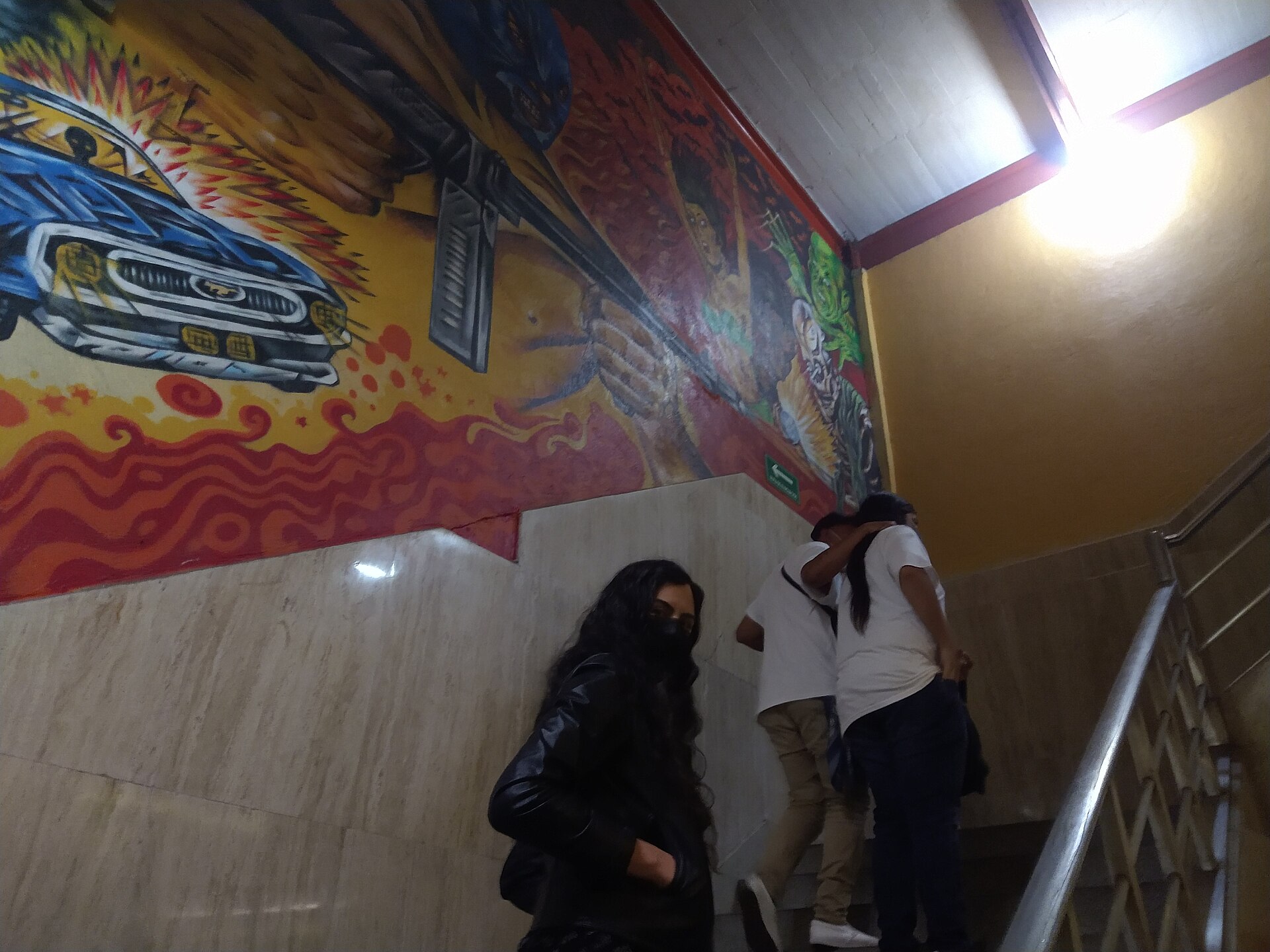
If you take one thing from this page, take this. Lucha libre at Arena México is genuinely the best-value evening in the city, it is not a tourist construction, and the crowd — families, teenagers, grandmothers, all shouting — is as much the event as the wrestling.
Arena México in Colonia Doctores is the home of Consejo Mundial de Lucha Libre, the oldest promotion in the world, and is known here as la Catedral de la Lucha Libre. The weekly pattern, confirmed against CMLL’s own billing:
| Night | Card | Time | Character |
|---|---|---|---|
| Friday | Súper Viernes — the main card | 20:00–20:30 | Biggest names, fullest house, loudest crowd |
| Sunday | Domingo Familiar | 17:00 | Family card, early finish, good with children |
| Tuesday | Martes Populares | 19:30 | Cheap, half-empty, oddly lovely |
Tickets, prices and the door
- Buy from the Arena México box office or Ticketmaster MX. Those are the two legitimate channels. Cards change around anniversary and championship shows, so check cmll.com/cartelera rather than assuming a night is on.
- Prices for a major card ran from 199.50 pesos in accessible seating to 1,240 pesos in the VIP zone in September 2026. An ordinary Tuesday or Sunday card is considerably cheaper than the Friday headline.
- Ticketmaster caps purchases at eight per buyer and adds a processing charge of about 50 pesos per order — so buy as one transaction, not four.
- Ringside is not the best seat. The upper tiers are cheaper, steeper, and where the chanting comes from. It is a real climb at this altitude; take it slowly.
- There is no dress code at all. A mask bought from a stall outside is an entirely normal thing for an adult to wear and nobody will think less of you.
- Camera policy varies by card and professional-looking equipment is sometimes refused at the door. Phones are fine. If you are carrying anything with a detachable lens, check before you travel rather than arguing on the pavement.
Getting there and back
Metro Cuauhtémoc on Line 1 or Balderas on Lines 1 and 3, then a short walk. Colonia Doctores is one of the parts of the central city where we would be more deliberate after dark, and the standard advice applies with force on a Friday night when several thousand people leave at once: do not hail a taxi on the street. Walk back to the Metro with the crowd, or order an app car from a few blocks away once the immediate crush has cleared. Our Mexico City safety guide has the verified numbers, including the 24-hour Tourist Police line.
Cocktails: a genuine world-tier scene
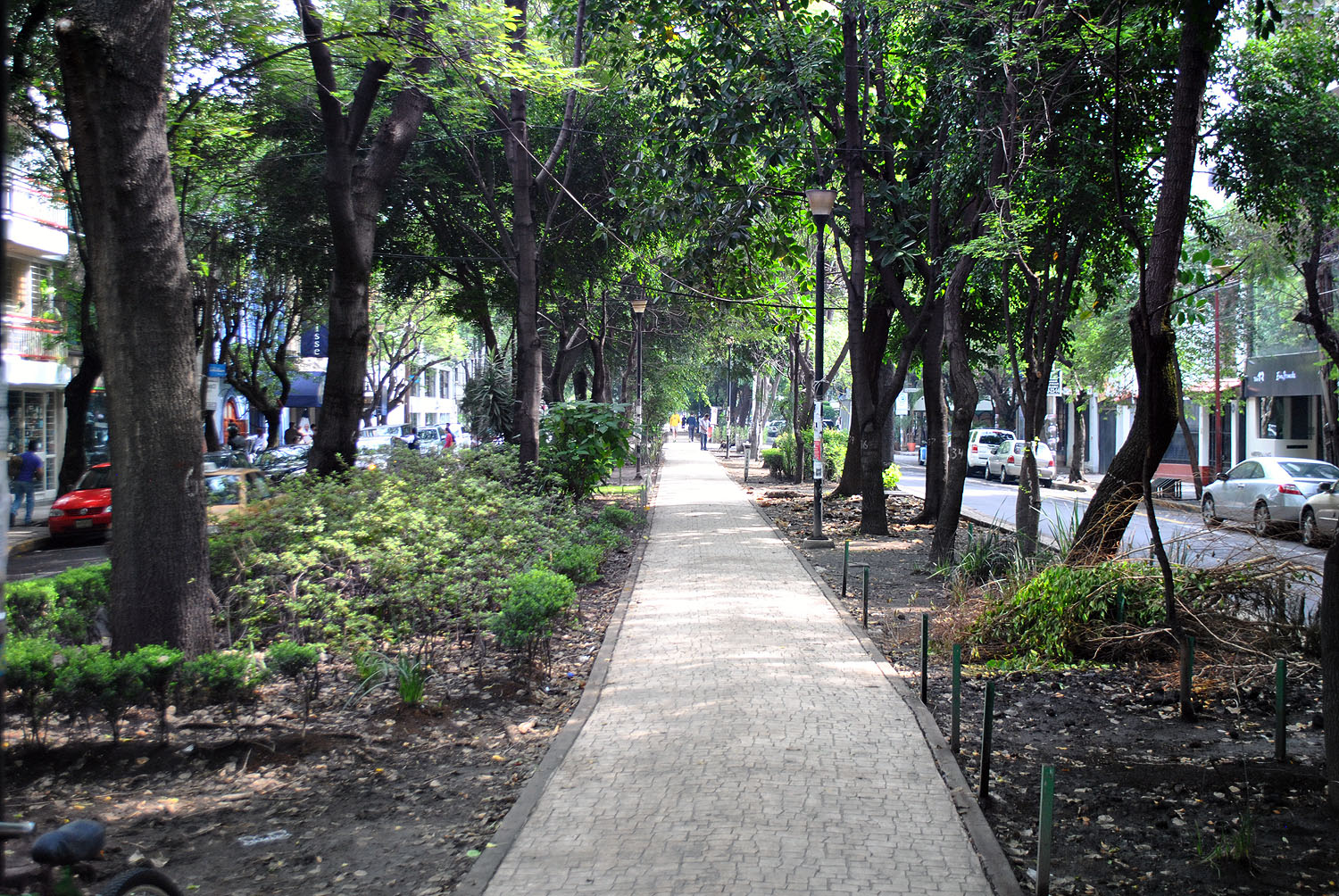
Mexico City is, by any reasonable measure, one of the best cocktail cities in the world. Handshake Speakeasy in Juárez was ranked number two in the world and the best bar in North America in 2025 by The World’s 50 Best Bars. Licorería Limantour in Roma Norte has been a fixture near the top of those lists for years, and Baltra in Condesa is its smaller, calmer sister room.
Two honest caveats about rankings. They change every autumn, so a position is only true for the year attached to it — we are not asserting a current-year rank here, because the lists had not settled when this was written. And a ranked bar means a queue: the internationally listed rooms in this city fill early and often take reservations weeks out. The fifth-best bar in Roma Norte is still an extremely good bar, and you can walk into it.
| Where | What it is | Per drink |
|---|---|---|
| Juárez | The internationally ranked rooms; smallest and hardest to get into | 200–350 |
| Roma Norte | The densest concentration — Orizaba, Colima, Álvaro Obregón | 150–300 |
| Condesa | Michoacán and Tamaulipas; more terrace, less ceremony | 150–280 |
| Polanco | Hotel bars and restaurant bars; the dearest | 250–450 |
| Centro Histórico | Rooftops over the Zócalo and older bars on Regina | 120–250 |
Door rules, plainly
Mexico City is not a city of aggressive door policies, but there are patterns worth knowing.
- Bars and mezcalerías: no dress code in any meaningful sense. Jeans are fine everywhere in Roma and Condesa.
- Clubs, especially in Polanco: smart-casual is genuinely enforced, and a door that turns people away for shorts, sandals or sportswear is normal. Some operate a list.
- Speakeasy-format bars often have a small unmarked door, a buzzer and a capacity limit. That is the format, not an attitude — arrive early or book.
- Photo ID is asked for less often than in the US or UK, but carry a copy of your passport photo page or a driving licence. The legal drinking age is 18.
- Cash still matters. Larger bars take cards; smaller cantinas, pulquerías and street-adjacent places frequently do not. And when a terminal offers to charge you in your home currency, decline it — that is dynamic currency conversion and it costs a reported five to eight per cent. Our trip costs guide explains the fee traps.
Mezcal, pulque and cantinas
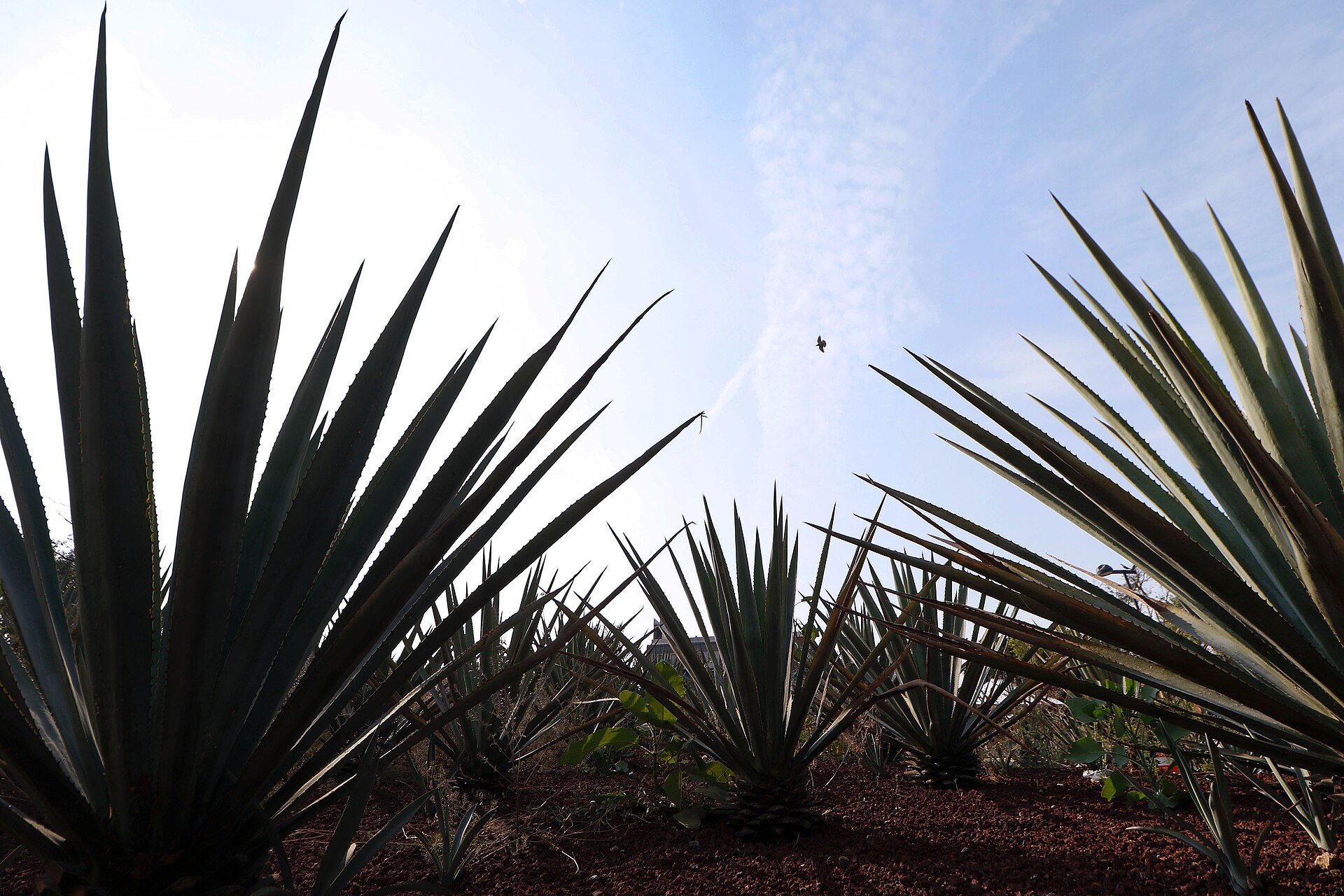
Mexico City is not a mezcal-producing region — Oaxaca, Guerrero, Michoacán, Durango and Puebla are — but it is where the best selections in the country end up, because it is where the buyers are.
Mezcalerías. A serious one lists, for each bottle, the agave species, the village, the maestro mezcalero and often the batch. That list is the tell: if a menu offers only “mezcal” with no further detail, you are in a bar that sells mezcal rather than a mezcalería. Expect 80 to 250 pesos for a pour of something genuinely interesting, drunk slowly and neat, usually with orange and sal de gusano alongside. Roma Norte and the Centro have the densest concentration.
Pulquerías. Pulque is fermented rather than distilled agave sap, mildly alcoholic, viscous, sour and an acquired taste that a good number of people never acquire. It nearly died out and has been revived. The surviving old pulquerías in the Centro and the newer ones in Roma serve it plain (natural) or as curados flavoured with oat, guava, celery or pine nut — start with a curado. Cash only, almost always.
Cantinas. The traditional form: long bar, tiled floor, waiters in waistcoats, and in the older ones a botana culture where small plates arrive free as you keep drinking. Some are more than a century old. Several were men-only within living memory and are emphatically not now. The Centro holds the best of them, and they are usually a daytime-into-early-evening proposition rather than a late one.
Plaza Garibaldi and mariachi
Garibaldi is the mariachi square, north of the Alameda in the Centro, where groups in full traje de charro wait to be hired. It is genuinely worth an evening and it is also the most frequently mis-sold experience in the city.
- Mariachis are hired by the song. Agree the number of songs and the price per song before anyone starts playing. A group approaching your table has not been sent by the management.
- The plaza itself is free. The surrounding venues are not, and their pricing varies enormously.
- Go early evening rather than late. The square is busiest and best between roughly 20:00 and midnight, and the surrounding blocks are not somewhere to wander afterwards.
- Arrive and leave by taxi. This is the standard case for an app car or an authorised sitio rather than walking the last eight blocks from the Metro.
- The Museo del Tequila y el Mezcal on the square is a reasonable, sober introduction if you want the context before the noise.
Dancing: salsa, danzón and the salones
Mexico City has a live social-dance culture that predates and largely ignores the club scene. The salones de baile — big old halls with live orchestras, a wooden floor and a crowd that ranges from twenty to eighty years old — run specific nights for specific music, and they are among the most enjoyable rooms in the city for anyone willing to be a beginner in public.
Expect an entry charge of roughly 150 to 400 pesos, table service rather than a bar queue, and a dress code that is smarter than you would guess. Nights are fixed and they change: check the venue’s own social media for the week rather than relying on a list, because the printed schedules go stale fast. Many halls run free or cheap classes in the early evening before the band starts, which is the correct way in.
For salsa and cumbia at the more casual end, Roma Norte and the Centro both have bars with live bands most weekend nights and no dance floor to speak of, which works perfectly well.
Rooftops and views
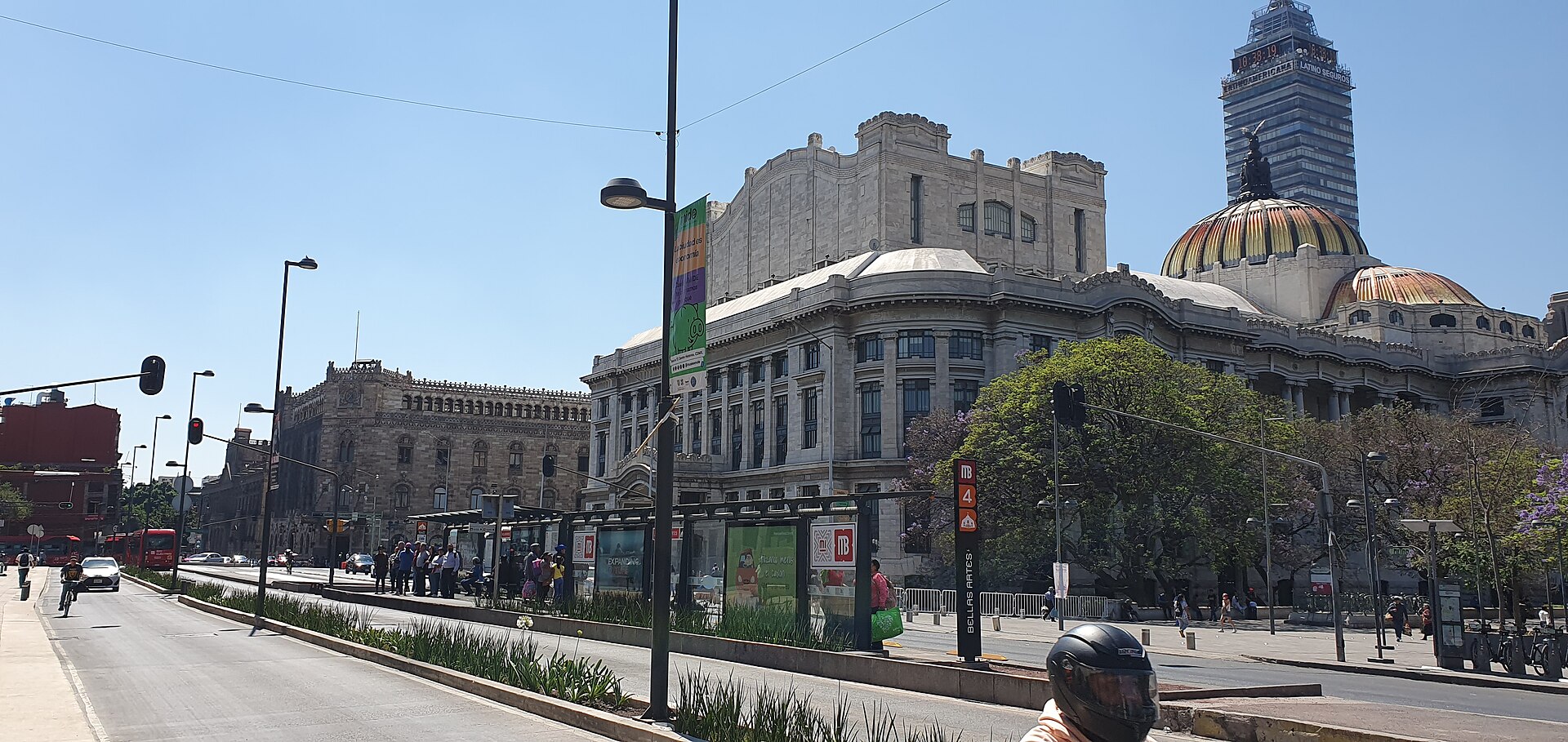
The reliable one is the Torre Latinoamericana observation deck on floor 44: 220 pesos for adults, 170 for children aged 4 to 11, open daily from 09:00 to 22:00 including Mondays. There is a bar a floor below. It is the single best cheap evening view in the city and it is open on precisely the nights when the museums are not.
The rooftop bars looking onto the Zócalo, along the south side of the square, charge nothing to enter but expect you to order. They are busiest at sunset and the tables at the rail go first. Note that the Zócalo is regularly closed for state events, concerts and installations — the view you paid for may be of a stage.
Polanco and Reforma have the hotel rooftops, which are more polished, more expensive and less interesting. Condesa’s terraces are lower and better.
Culture in the evening
- Ballet Folklórico de México de Amalia Hernández at the Palacio de Bellas Artes, typically Wednesday and Sunday evenings plus a Sunday morning matinée, roughly 300 pesos in the upper gallery to 1,000 on the main floor. The company has run since 1952, and the Tiffany glass curtain behind it justifies the ticket by itself. Schedules shift; check current listings.
- Cinema. Cineteca Nacional in Xoco is a serious repertory and international cinema with several screens and an outdoor one. English-language films are usually shown subtitled rather than dubbed, but check — subtitulada means subtitled, doblada means dubbed.
- Theatre and music. San Rafael is the traditional theatre district, and Bellas Artes, the Sala Nezahualcóyotl at UNAM and the Centro Cultural del Bosque all run serious programmes. Almost everything is in Spanish.
- Late museums. The Museo Frida Kahlo runs a late Thursday to 21:00, which is the least crowded slot of its week — tickets still online only, still no box office.
A night out with no alcohol in it
This is a real gap in most nightlife writing, and Mexico City happens to be unusually good at it.
- Lucha libre works completely without drinking, and the Sunday family card at 17:00 is an early finish.
- The Torre Latinoamericana deck until 22:00, any night of the week.
- Cineteca Nacional, and the Centro’s cinemas.
- Café culture runs late in Roma, Condesa and Juárez — specialty coffee at 55 to 95 pesos, and plenty of places open past 22:00.
- Street food is an evening activity here, not a snack. Tacos al pastor stands run late into the night, and 15 to 30 pesos a taco makes a proper meal cheap. See our food guide.
- Aguas frescas, horchata and non-alcoholic agave drinks are on almost every menu, and the better cocktail bars now run serious zero-proof lists rather than an apologetic mocktail.
- The Zócalo and Reforma at night. Both are lit, both are busy, and the walk between Bellas Artes and the Alameda after dark is free.
Finding out what is actually on tonight
This is the practical weakness of every nightlife guide including this one: venues change, nights move and printed schedules rot. The city’s evening programme is real but it is not published anywhere central, so here is how residents find it.
- The venue’s own Instagram is the schedule. Not its website, which is often years stale, and not a listings aggregator. Bars, salón de baile halls and live-music rooms post the week’s line-up there and nowhere else, usually two or three days ahead.
- Spanish-language city magazines — Chilango and Time Out México among them — carry the fullest what’s-on coverage, and they are far better than anything in English. A translation app makes them entirely usable.
- Ticketmaster México is the default for anything with a seat: lucha libre, concerts, theatre, the arena shows.
- Cartelera de la Ciudad de México, the city’s own cultural listings, covers the public and institutional programme — Bellas Artes, the Centro Cultural del Bosque, free concerts — which is the half that never appears on a bar’s feed.
- Ask where you are staying. Genuinely. A front desk or a host in Roma will know which salón has a band this Thursday and which bar has stopped being good, and neither fact is written down anywhere.
Cantinas and the Centro after dark
The Centro Histórico empties after office hours everywhere except a handful of corridors, and those corridors are worth knowing by name because the difference between them and the block behind them is stark.
- Calle Regina, pedestrianised, south of the Zócalo — the most consistently busy evening street in the Centro, with bars and small restaurants on both sides and a crowd that is mostly local and mostly young.
- Calle Motolínia and Calle Madero — lit, patrolled, busy until late, and the safest walking line through the middle of the Centro.
- The Bellas Artes frontage and the Alameda’s northern edge — busy into the evening, and the Torre Latinoamericana at the corner is open until 22:00.
- The historic cantinas, scattered across the Centro, several over a century old. The form is worth understanding: you order drinks, small plates of botana arrive free as you keep ordering, and the rhythm is slow. Waistcoated waiters, tiled floors, no music loud enough to shout over. Most close earlier than a bar in Roma would — many are a late-afternoon-into-evening proposition rather than a midnight one.
One block off those streets the Centro is quiet and poorly lit at night, and the blocks north of the Alameda in particular are somewhere to take a taxi rather than walk. That is not a reason to avoid the Centro in the evening. It is a reason to know which street you are on.
Tipping at a bar
Ten to fifteen per cent, the same as a restaurant, and check the bill for an included propina before adding to it — some venues aimed at visitors now add one. Tip in cash and in pesos where you can, even when you pay the bill by card, because that is what reaches the person who served you. At a cantina with table service the tip goes at the end rather than per round.
Getting home
This is the part of an evening that needs the most thought and gets the least.
- The Metro closes around midnight — roughly 00:00 on weekdays and Saturdays, with an earlier start and close on Sundays. Check the hour before you rely on it. After that, it is taxis.
- Never hail a taxi on the street. Unlicensed taxis are the single most consistently flagged risk in every government advisory for this city. Use an app, use an authorised sitio rank, or have the venue call one.
- Have the venue call you a car if you are anywhere you do not know. Every bar and restaurant will do this and most expect to be asked.
- Walking between Roma and Condesa at night is normal and busy. Walking from the Centro to Roma, or from Garibaldi anywhere, is not.
- Keep enough cash for a taxi separate from everything else. Card payment in a taxi at 02:00 is not something to rely on.
- Save the numbers. 911 for emergencies; the CDMX Tourist Police on 55 5533 5533, 24 hours; Locatel on 55 5658 1111 for non-emergency help with English-speaking staff.
One correction worth repeating: 078, the Ángeles Verdes line, appears on a great many travel sites as a tourist helpline. It is a federal service for drivers on highways and toll roads and will not help you at 02:00 in Condesa.
Frequently asked questions
Is Mexico City safe at night?
The visitor colonias are ordinary urban places after dark, and the specific risks flagged by governments are consistent: unlicensed taxis above all, then pickpocketing in crowds. Stay on well-lit main streets, use app or sitio taxis rather than hailing, and treat the connecting stretches between busy areas as the part to ride rather than walk. Our safety guide covers the advisories in full.
What time does nightlife actually start?
Dinner at 21:00, bars filling from 23:00, clubs from about midnight and running to three or four. Arriving at a club at 22:00 means being the only person in it. Lucha libre is the exception and starts early.
How much should I budget for a night out?
Roughly: 300 to 600 pesos for lucha libre with beer and a taxi; 600 to 1,200 for a dinner and two cocktails in Roma; 1,500 and upward for a night in Polanco. A mezcalería evening sits around 400 to 800. Add 150 to 400 for taxis at each end.
Do I need to book?
Only for the internationally ranked cocktail rooms, the Friday lucha libre card, the Ballet Folklórico, and starred restaurants. Everything else on this page can be decided on the day.
Where is the LGBTQ+ nightlife?
The Zona Rosa, inside Colonia Juárez, focused on Calle Amberes and Génova. It is the historic centre of gay nightlife in Mexico and remains the easiest place in the city to go out without planning. Roma Norte and Condesa have a mixed scene alongside it.
Can I drink in the street?
No. Drinking alcohol in public spaces is prohibited and enforced, and it is one of the more common ways visitors end up in a conversation with the police. Buy it, take it inside.
What is the drinking age?
Eighteen. ID is asked for less often than in the US or UK but carry something — a driving licence or a copy of your passport photo page.
Is lucha libre suitable for children?
The Sunday Domingo Familiar card at 17:00 is explicitly aimed at families and finishes early. The commentary and some of the crowd’s shouting is ruder than the wrestling; a child without Spanish will not notice. The upper tiers are a steep climb.
Which colonia is best for a night out?
Roma Norte for the highest density of good bars within walking distance of each other; Condesa for terraces and a gentler pace; Juárez and the Zona Rosa for going out late without planning; the Centro for cantinas, rooftops and Garibaldi; Polanco if money is not the constraint. Our guide to Mexico City neighborhoods to visit compares them properly.
Related Mexico City Guides
- Mexico City Neighborhoods to Visit — where the bars are, and how to walk between them.
- Mexico City Food Guide — dinner before, and tacos afterwards.
- Mexico City Safety — the taxi rules and the verified helplines.
- Mexico City Trip Costs — drink prices in the context of a whole budget, and the card fees.
- Mexico City Festivals and Events — the nights the whole city is out, and the dates ley seca lands on.
- Getting Around Mexico City — the Metro’s last trains and the transport card.
- Where to Stay in Mexico City — sleeping within walking distance of the evening.
- Things to Do in Mexico City — the daytime version.
- Mexico City Travel Tips for First Timers — the pre-departure checklist.
Sources and verification
- Arena México and CMLL — weekly pattern confirmed against CMLL’s own September 2026 billing: Friday cards at 20:00–20:30, Sunday Domingo Familiar at 17:00, Tuesday Martes Populares at 19:30. Ticket prices for a major card in September 2026 reported from 199.50 MXN in accessible seating to 1,240 MXN in the VIP zone; Ticketmaster MX limits purchases to eight per buyer and adds a processing charge of approximately 50 MXN per order. Tickets from the Arena México box office or Ticketmaster MX. Cards change around anniversary and title shows — check cmll.com/cartelera. Checked 18 September 2026.
- Ley seca — the dry law suspends alcohol sales across liquor stores, grocers, supermarkets, convenience stores, cantinas, pulquerías, bars, clubs, banquet halls and restaurants, and at fairs, markets and street celebrations. It is applied alcaldía by alcaldía rather than citywide, with hours and exceptions varying between boroughs; for 15–16 September 2026 several alcaldías applied it 00:00–23:59. Announced in the Gaceta Oficial de la CDMX and by each alcaldía. Sanctions under the Ley de Establecimientos Mercantiles and the Ley de Cultura Cívica include fines and temporary closure. Checked 18 September 2026.
- Bars — Handshake Speakeasy (Juárez) was ranked number two in the world and named the best bar in North America in 2025 by The World’s 50 Best Bars; Licorería Limantour (Roma Norte) has featured consistently near the top of those rankings; Baltra (Condesa) is Limantour’s sister bar. Rankings change annually and no current-year position is asserted here, as the lists had not settled at the time of writing. Checked 18 September 2026.
- Torre Latinoamericana — observation deck on floor 44, 220 MXN adult and 170 MXN child aged 4–11, open daily 09:00–22:00 including Mondays. Checked September 2026.
- Ballet Folklórico de México de Amalia Hernández at the Palacio de Bellas Artes — typically Wednesday and Sunday evenings plus a Sunday morning matinée, roughly 300 MXN in the upper gallery to 1,000 MXN on the main floor. Schedules shift; current listings should be checked.
- Museo Frida Kahlo — late opening to 21:00 on Thursdays; tickets online only, no box office; closed Mondays. Checked September 2026.
- Safety and helplines — UK FCDO foreign travel advice for Mexico names unlicensed taxis and pickpocketing on public transport among the principal risks and advises using sitio taxis from authorised ranks or hotel-arranged cars. Emergency 911; CDMX Tourist Police 55 5533 5533 (24 hours) and WhatsApp 55 4891 1166; Locatel 55 5658 1111. Ángeles Verdes (078) is a federal highway assistance service, not a city tourist line.
- Fees — dynamic currency conversion at card terminals is reported to cost 5–8 per cent; always choose pesos.
- Transport — Metro 5 MXN, Metrobús 6 MXN, via the Movilidad Integrada card. Metro Cuauhtémoc (Line 1) and Balderas (Lines 1 and 3) serve Arena México.
Venues in this category open, close and change hands faster than any other kind, which is why this page names very few and explains how each kind of place works instead. Nothing here should be treated as a promise that a specific bar is open tonight — check the venue’s own current listings, and treat any opening hour on any travel site, including this one, as a starting point. Prices are in Mexican pesos and were checked in September 2026. We have not drunk in every bar described here and do not claim to have.
Photo Credits
Arena México staircase: Mural de luchadores en la escalera de la Arena México 01 by Luis Alvaz, CC BY-SA 4.0, via Wikimedia Commons.
Agave: MX TV PLAZA GARIBALDI 01 by Secretaría de Cultura CDMX, CC BY 2.0, via Wikimedia Commons.