If a stallholder offers you a genuine pre-Hispanic figurine, one of two things is true: it is a reproduction, or you are being invited to commit a crime. Archaeological objects in Mexico are property of the nation, inalienable, and their export has been prohibited since 1827 — removing one without authorisation is a criminal offence, not a customs nuisance. That is the sort of thing a mexico city markets and shopping guide ought to lead with, because it is the difference between a good souvenir and a seizure at your home airport, and almost nobody writes it down.
The short answer: which market for what
| You want… | Go to… | When | Cards? |
|---|---|---|---|
| Crafts from across Mexico, one roof | Mercado de Artesanías La Ciudadela | Daily, mornings quietest | Some stalls; bring cash |
| Flowers, on an overwhelming scale | Mercado de Jamaica | Daily, early; best before Día de Muertos | Cash |
| Ingredients and a food education | Mercado de San Juan | Tue–Sun mornings | Mixed |
| Design, art and a Saturday out | Bazar del Sábado, San Ángel | Saturdays only | Many stalls, yes |
| Antiques and a flea market | La Lagunilla | Sundays | Cash |
| Eating rather than buying | Mercado de Coyoacán, Mercado Medellín | Daily | Cash |
| The sheer scale of the thing | La Merced | Daily, early | Cash |
| Books and printed matter | Donceles in the Centro; the Lagunilla book stalls | Daytime | Cash |
| Design shops rather than stalls | Roma Norte, Juárez, Condesa | Afternoons; many close Mondays | Yes |
Two structural facts that shape everything below. Markets are cash economies. Some stalls at Ciudadela and the Bazar del Sábado take cards, but assume they do not. And markets open early and close early — a food market at 09:00 is at its best, and at 17:00 is packing up. This is the reverse of the rest of the city’s rhythm.
Mercado de Artesanías La Ciudadela: the one to go to first
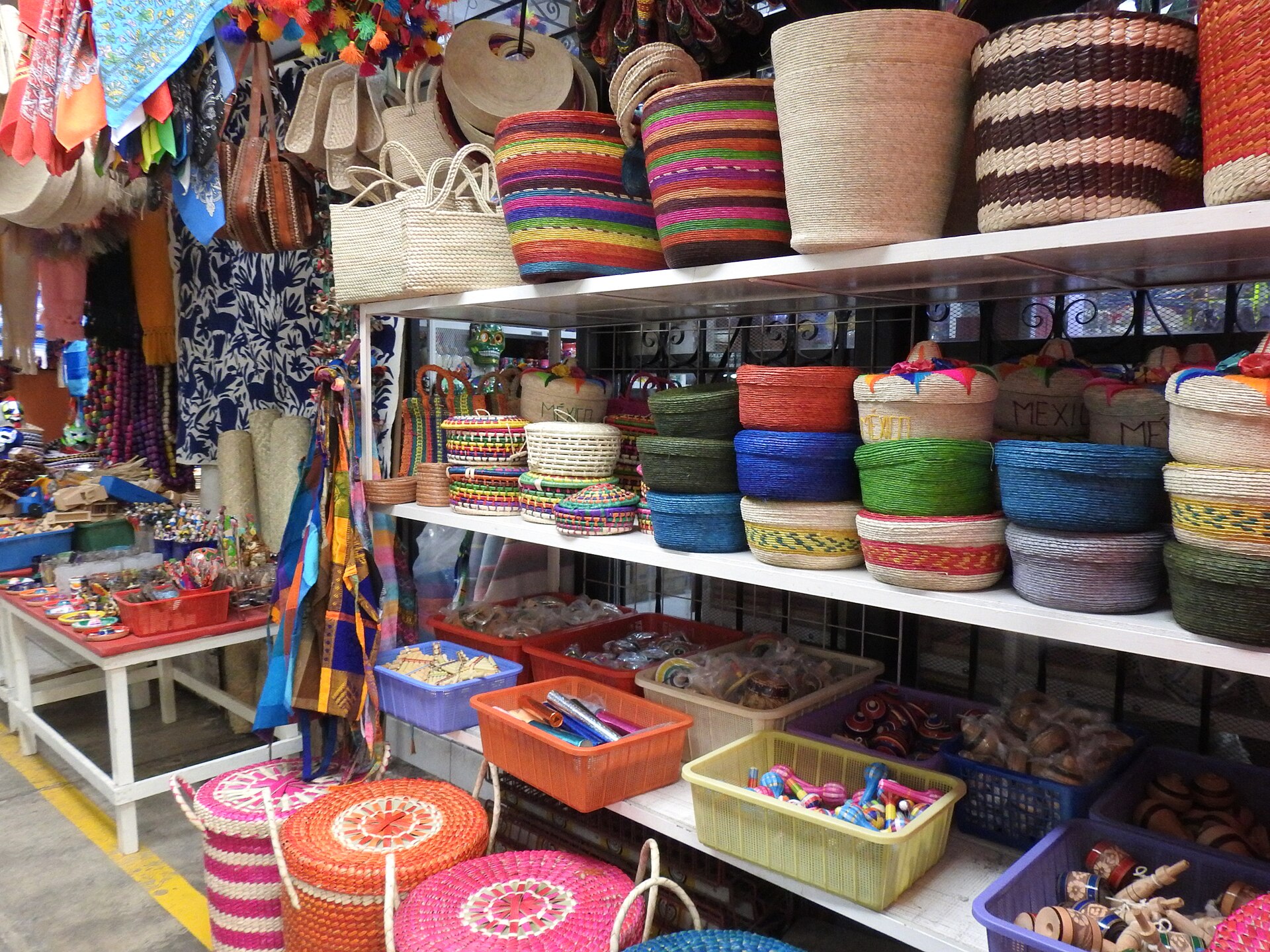
La Ciudadela sits beside the Balderas Metro interchange, a short walk from the Alameda, and it is the single most efficient craft shopping in Mexico: several hundred stalls under one roof, carrying work from most states in the country, open daily. If you have one afternoon for souvenirs, spend it here rather than in the Centro’s tourist-facing shops, which sell the same things at a markup.
What is genuinely worth buying: Oaxacan alebrijes in carved copal, Talavera ceramics from Puebla, woven palm baskets, rebozos and embroidered textiles from Chiapas and Oaxaca, Michoacán copperware, black clay (barro negro) from San Bartolo Coyotepec, silver from Taxco, and papel picado.
What is filler: mass-produced ponchos, plastic luchador masks, anything with the word MÉXICO printed on it in a novelty font, and machine-embroidered “traditional” blouses. Nothing wrong with any of it — just know which you are buying.
How to tell handmade from not
- Alebrijes: a hand-carved copal piece has visible tool marks inside the hollows, slight asymmetry, and a base that is not perfectly flat. Hand-painted dot work varies in size; printed or stencilled work does not. A large, complex piece for 200 pesos was not carved by hand.
- Talavera: genuine Talavera from Puebla carries a denomination of origin and is heavy, slightly uneven in glaze, and expensive. Light, perfectly uniform “Talavera-style” is decorated earthenware and is sold as such if you ask.
- Textiles: hand-woven cloth has slight irregularities in the weave and a back face that tells you how it was made — look at the reverse. Hand embroidery has knots and thread ends on the back; machine embroidery has a uniform backing.
- Silver: see below. It has its own rules.
- Ask. “¿Es hecho a mano?” and “¿De dónde es?” are asked constantly by Mexican shoppers and answered honestly far more often than you would expect. A stallholder who knows the village and the family that made a piece will tell you about them at length.
Bargaining, fairly
Some haggling is expected at craft markets and none is expected in food markets, where prices are posted and standard. At Ciudadela and similar, a polite counter-offer of perhaps ten to fifteen per cent below the asking price is normal, and buying several things from one stall is the standard lever. Beyond that you are arguing over an amount that matters more to the person selling than to you. A stallholder who will not move has usually told you the real price.
Silver, and how not to be sold something else
Mexican silver is genuinely good and Taxco is its centre. The identification rules are simple and worth memorising.
- Look for a
.925stamp — sterling, 92.5 per cent silver — together with “Mexico” and a registered maker’s mark. - The maker’s mark follows a convention: a letter for the city of origin — T for Taxco, M for Mexico City — then the maker’s initial and a registration number.
- Look closely. Under 10x magnification a genuine hallmark is crisp and deeply struck. Shallow, blurred or laser-etched marks are the tell for a fake.
- “Alpaca” and “nickel silver” are not silver. They are copper-nickel-zinc alloys. They are sold openly and honestly under those names, are perfectly nice, and cost a fraction as much — the problem only arises when the word on the tag is not the word being used in conversation.
- Weight tells you a lot. Silver is dense. A large piece that feels light is not sterling.
Food markets: where the city actually shops
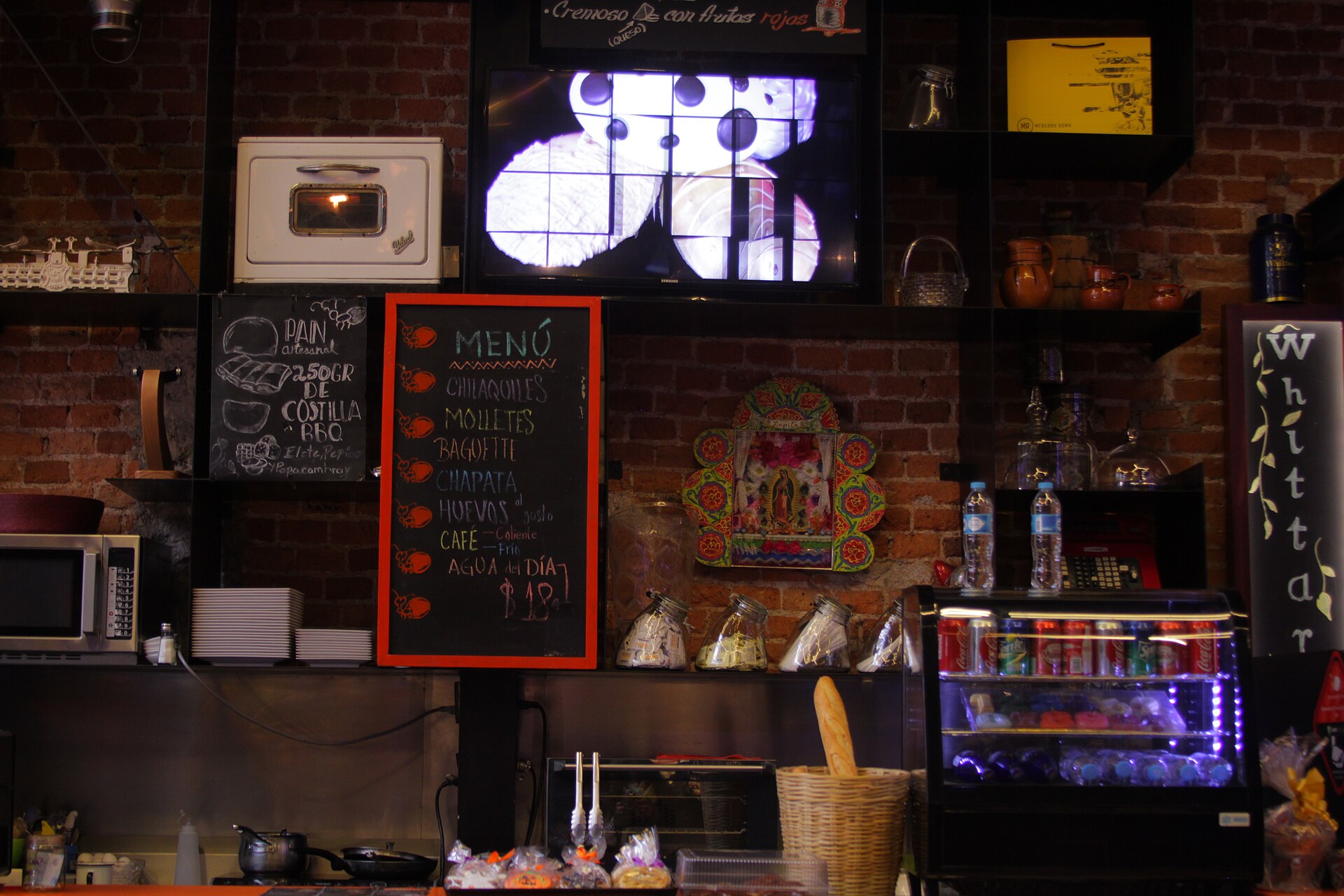
Every colonia has a covered market, and they are the most reliable way to eat well cheaply anywhere in the city. A few are worth a journey.
- Mercado de San Juan, in the Centro, is the chefs’ market: specialist meat, cheese, seafood, imported produce and a sideline in genuinely unusual ingredients. Tuesday to Sunday, mornings.
- Mercado de la Merced is the largest traditional retail market in the city and one of the largest in the Americas — an overwhelming, working wholesale-and-retail complex east of the Zócalo. Go early, go with cash, go with both hands free, and treat it as an experience rather than a shopping trip. Metro Merced, Line 1.
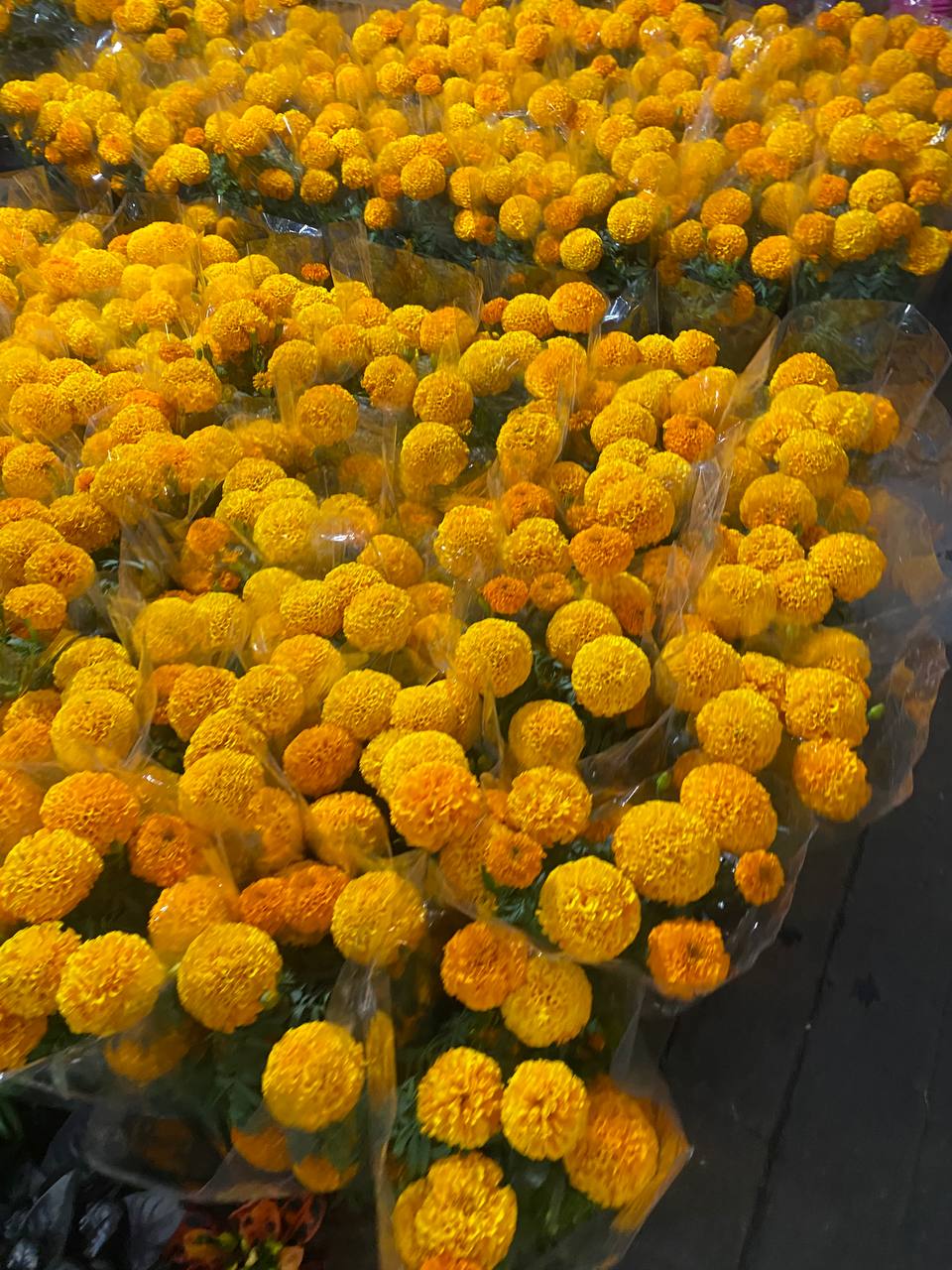
- Mercado de Jamaica is the flower market: thousands of stalls, open early, open long, and in the fortnight before Día de Muertos it is a wall of orange cempasúchil that is among the best free things to see in Mexico City.
- Mercado de Coyoacán is the pleasant one: tostadas at the counters in the middle, and esquites and churros from the carts on the plaza outside.
- Mercado Medellín in Roma Sur has a strong South American and Caribbean contingent and is considerably cheaper than the curated food halls a few streets north.
- Central de Abasto in Iztapalapa is the largest wholesale market in the world by area. It is a serious logistics operation rather than a visitor attraction, and we would not send anyone there casually.
Our Mexico City food guide covers what to eat in each of these; this page is about buying.
The Saturday and Sunday markets
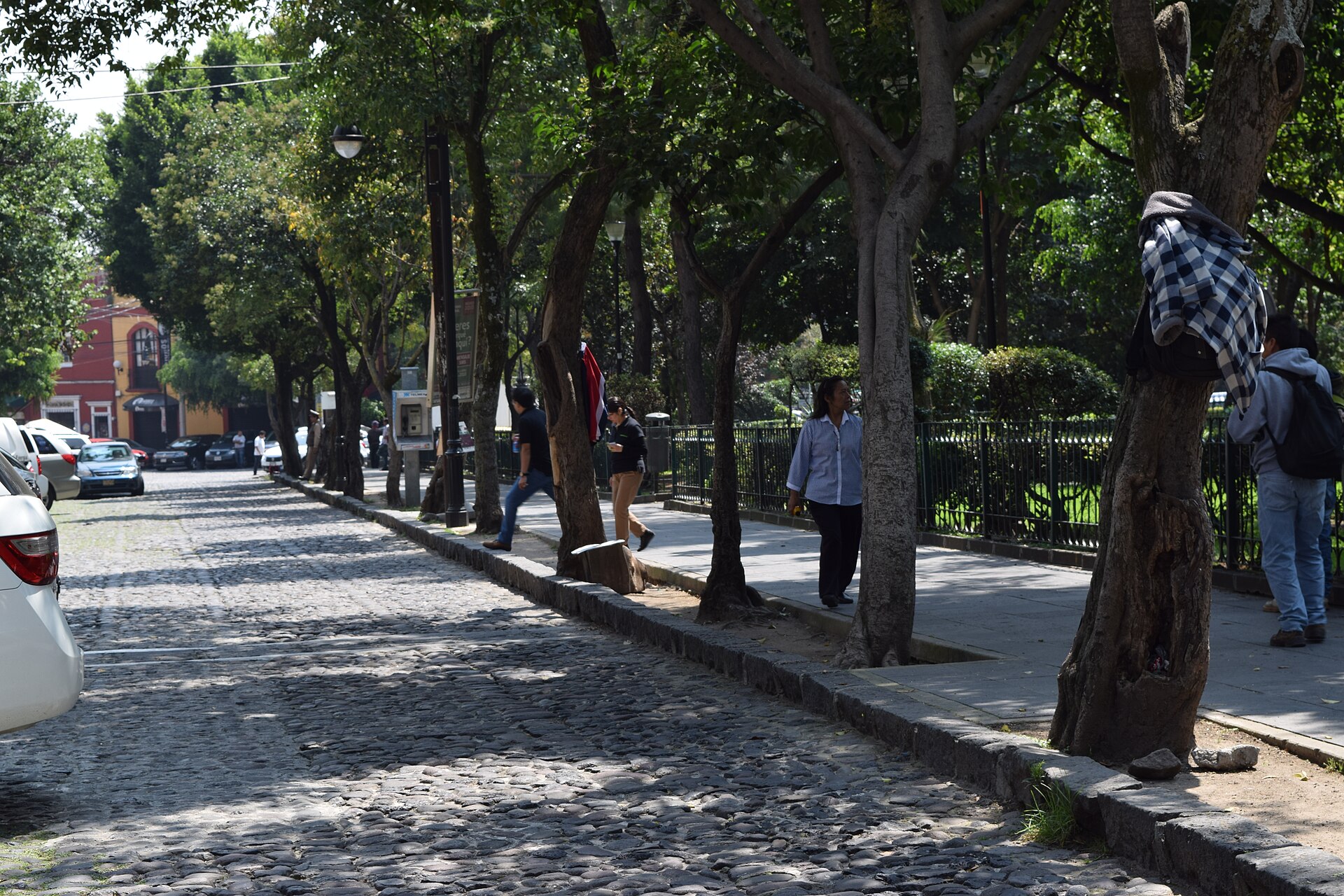
Bazar del Sábado in San Ángel runs on Saturdays only, filling Plaza San Jacinto and several of the houses around it with art, design, jewellery and craft at a higher price point and a higher standard than Ciudadela. It is the single best market day in the city, and it is the entire reason to go to San Ángel. On any other day the plaza is quiet and you will wonder what the fuss was about. Metrobús Line 1 to La Bombilla or Dr. Gálvez, then a walk uphill.
La Lagunilla, north of the Centro, holds its flea and antiques market on Sundays — furniture, vintage clothing, records, books, genuinely old objects and a great deal that is not. It is large, crowded and cash-only, and it is somewhere to keep a hand on your bag rather than a camera in it. The surrounding area is not a place to wander after the market closes.
The antiques market on Plaza del Ángel in the Zona Rosa runs at weekends and is the tidy, indoor, considerably dearer version of the same idea.
Shops rather than stalls
If markets are not your preference, the design and retail scene is concentrated in three colonias.
- Roma Norte and Juárez — independent design, ceramics, contemporary Mexican fashion, bookshops and concept stores, mostly on Colima, Córdoba and around Calle Havre. Most open late morning and many close on Mondays.
- Condesa — smaller and more scattered, along Michoacán and Tamaulipas.
- Polanco — Avenida Presidente Masaryk is the luxury retail street, with the international houses and the Antara centre nearby.
- The Centro has the specialist trade streets, which are a genuine pleasure to walk: Donceles for second-hand books, República de Cuba and the surrounding blocks for lighting, electrical goods, party supplies and wedding dresses, each on its own street. This is a survival of the guild system and it is still how the Centro is organised.
Provenance: where each craft actually comes from
Almost nothing sold in Mexico City’s craft markets is made in Mexico City. It is brought here from the states where the tradition lives, and knowing which state a thing comes from is the quickest way to tell a real piece from a copy — and the quickest way to have a proper conversation with the person selling it.
| What | From | What to look for |
|---|---|---|
| Carved wooden alebrijes | Oaxaca — San Martín Tilcajete, Arrazola | Copal wood, tool marks inside hollows, hand-painted dot work that varies in size |
| Barro negro (black clay) | San Bartolo Coyotepec, Oaxaca | Deep metallic sheen from burnishing, not glaze; unglazed pieces are not watertight |
| Talavera | Puebla and Tlaxcala | A denomination of origin; heavy, slightly uneven glaze, high price |
| Silver | Taxco, Guerrero | .925, “Mexico” and a maker’s mark beginning with T |
| Copperware | Santa Clara del Cobre, Michoacán | Hammer marks across the whole surface, not just the rim |
| Rebozos | Santa María del Río (San Luis Potosí), Tenancingo | Hand-knotted rapacejo fringe — the fringe is the craft |
| Huipiles and embroidery | Chiapas, Oaxaca, Yucatán | Knots and thread ends on the reverse; machine work has a uniform backing |
| Huichol beadwork and yarn painting | Wixárika communities, Nayarit and Jalisco | Beeswax base under the beads; ask whether the seller works with the community |
| Amate paper | San Pablito, Puebla | Visible bark fibre, irregular edges |
| Woven palm | Oaxaca, Puebla, Guerrero | Tight, even weave; palm smells faintly of grass when new |
| Mezcal | Oaxaca, Guerrero, Michoacán, Durango, Puebla | Agave species, village and maestro mezcalero named on the label |
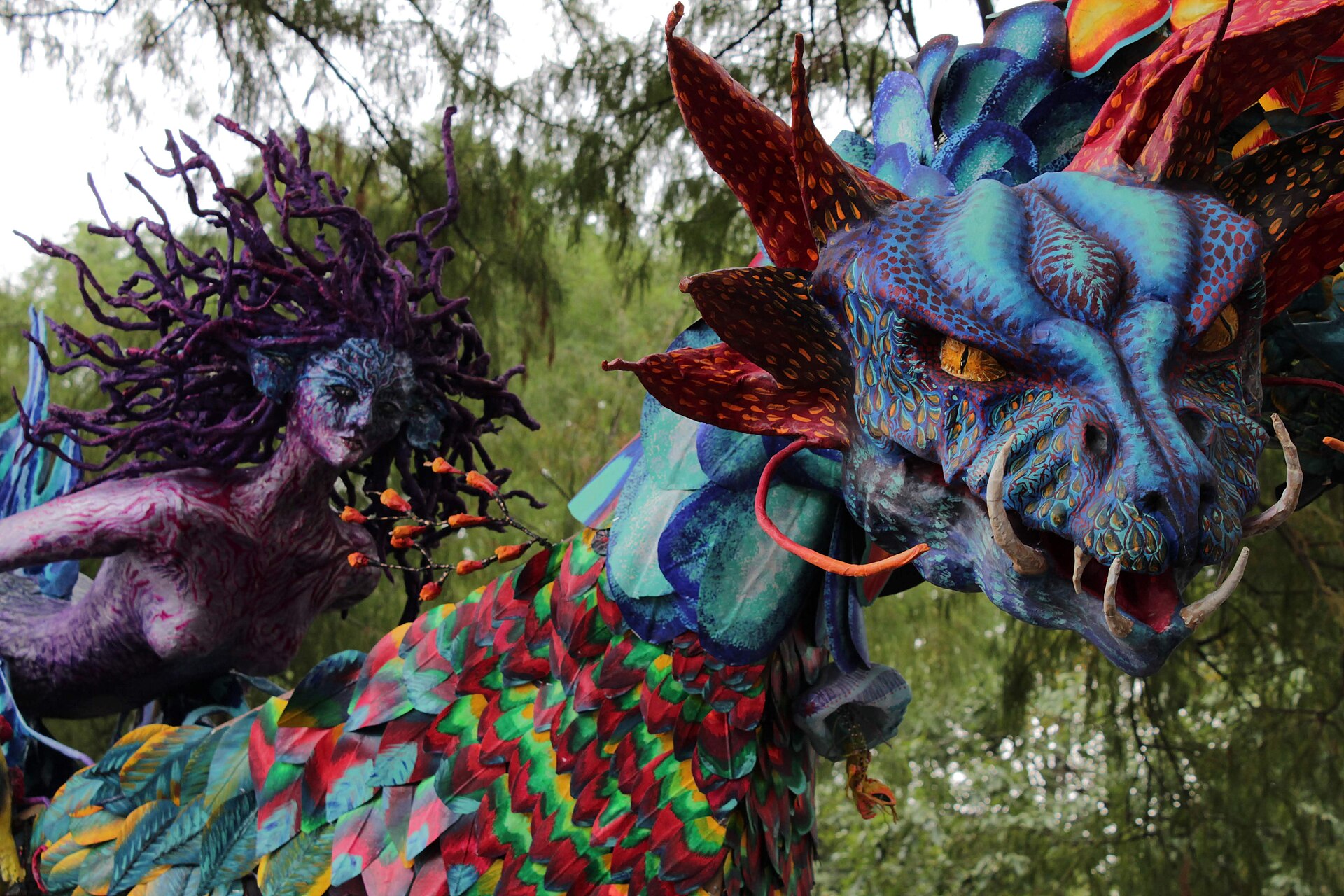
Two notes on alebrijes, because the word covers two different things. The carved wooden alebrijes above are an Oaxacan woodcarving tradition. The monumental paper-and-wire alebrijes that parade down Reforma every October descend from the papier-mâché figures invented by the Mexico City artisan Pedro Linares in the 1930s. Both are genuine; they are simply not the same craft, and a stallholder will enjoy being asked which one you are looking at.
Where it is available, buy from a cooperative or from the maker’s own family stall. It costs the same or slightly more, and the difference between the price a carver receives through a cooperative and the price they receive through three intermediaries is the whole argument.
The IVA refund, and why it probably will not help you
Mexico does refund the 16 per cent IVA to foreign visitors, but the conditions exclude most of what is on this page, so here is the honest version.
- Minimum 1,200 pesos per store, at affiliated stores only. Markets, street stalls and most artisan cooperatives are not affiliated and never will be.
- You must be a non-resident, and you must ask for a factura — a formal invoice — at the point of sale. Asking afterwards rarely works.
- Cash purchases count only up to 3,000 pesos per person. Card purchases have no cap, and a foreign-issued card is normally required.
- Claim at the tax-free counters at the airport, presenting the goods, your passport, the form and the original receipts.
- You will not get 16 per cent back. Operators such as MoneyBack advertise a net refund of around 9 per cent; the difference is their margin.
The conclusion: worth doing for a department store or designer purchase, irrelevant for a day at Ciudadela. Build your budget on the price you are quoted, not on a refund. Our trip costs guide covers the rest of the money mechanics, including the card conversion fee to decline.
What you must not take home
This section is short, and it is the most important on the page.
Archaeological objects
Under Mexico’s federal monuments law, archaeological objects are property of the nation, inalienable and imprescriptible, and their export has been prohibited since 1827. Taking a genuine pre-Hispanic piece out of the country without authorisation is a criminal offence, and Mexico actively pursues foreign auctions and online sales of such objects.
The practical consequence is simple and freeing: anything genuinely pre-Hispanic offered to you in a market is either a reproduction or is being sold illegally. Buy reproductions, openly described as such, and enjoy them. They are often very good.
Wildlife products
CITES restricts or prohibits trade in a long list of materials that turn up in crafts and jewellery: black and red coral, tortoiseshell, ivory, whale teeth, reptile and fur skins, and the feathers of some birds. These can be seized on arrival in your own country even when you bought them legally here — and the United States has at points suspended commercial trade in CITES-listed specimens from Mexico entirely. If a piece contains shell, coral, feather, bone or skin and you cannot establish what it is, leave it.
Other things worth knowing
- Most countries restrict food, seeds and plant material. Dried chillies and packaged mole paste are usually fine; fresh produce, seeds, meat and cheese usually are not. Check your own country’s rules before buying, not after.
- Alcohol has duty-free allowances. Mezcal and tequila travel well but must go in hold baggage, wrapped.
- Copal, amate paper and ceramics are unproblematic. Large ceramics need serious packing.
Packing, posting and getting it home
- Ask the stall to wrap it. Craft sellers wrap ceramics and glass properly as a matter of routine and will do it better than you will.
- Buy on your last days. Carrying a Talavera bowl around Teotihuacán is how a Talavera bowl stops being a Talavera bowl.
- Hand luggage for anything fragile and small; hold baggage for liquids, which means all the mezcal.
- Shipping exists but is not cheap. Larger stalls at Ciudadela and the Bazar del Sábado can arrange it, and dedicated shipping agents operate near both. Get the total cost including insurance before you commit; it frequently exceeds the value of the object.
- Keep the receipt for anything expensive — useful at customs and essential for any refund claim.
- Weigh your bag before you go to the market, not after.
Photography etiquette
Markets are enormously photogenic and they are also places where people are working. The conventions here are clear and worth following.
- Ask before photographing a person or their stall. “¿Puedo tomar una foto?” is enough, and the answer is usually yes — and occasionally no, which is also fine.
- Buy something. A photograph of a stall is a small imposition; a photograph plus a purchase is a transaction. This is the single most effective thing you can do.
- Do not photograph children without a parent’s clear agreement.
- Do not block the aisle. These are working spaces with handcarts moving through them.
- At the Mercado de Sonora, which sells religious, herbal and santería goods alongside live animals, cameras are frequently unwelcome and the animal section raises genuine welfare concerns. We would not send a visitor there to sightsee.
- Cemetery and ofrenda photography during Día de Muertos has stricter conventions again — see our festivals and events guide.
A market day that works
- 09:00 — Metro to Balderas. Mercado de Artesanías La Ciudadela while it is quiet and the stallholders have time to talk. 90 minutes. Cash.
- 11:00 — walk 12 minutes through the Alameda to the Mercado de San Juan for the ingredient stalls and an early lunch at one of its counters.
- 13:00 — Calle Donceles for second-hand books, then the specialist trade streets north of Madero.
- 15:00 — Metro Line 1 to Jamaica for the flower market, which is at its best in the afternoon light and is still fully open.
- 17:00 — back to your colonia. Markets close early; the design shops in Roma do not.
On a Saturday, replace all of the above with the Bazar del Sábado in San Ángel. On a Sunday, with La Lagunilla in the morning and Reforma’s car-free avenue afterwards.
Frequently asked questions
What is the best market in Mexico City?
For crafts, La Ciudadela, by a distance — several hundred stalls from across the country under one roof, open daily and easy to reach. For a single best day, the Bazar del Sábado in San Ángel, but only on a Saturday. For food, whichever covered market is nearest to where you are staying.
Do I need to haggle?
At craft markets, a little: ten to fifteen per cent below the asking price is a normal opening, and buying several items from one stall is the real lever. At food markets, no — prices are posted and standard. Anywhere with a till and a price tag, no.
Can I pay by card?
Assume not. Some stalls at Ciudadela and many at the Bazar del Sábado take cards, but markets are cash economies and the smaller and better the stall, the likelier it is cash-only. Withdraw from a bank-branch ATM before you go, and decline the machine’s offer to charge you in your home currency.
Is it safe to go to the markets?
Yes, with the ordinary urban caution that applies everywhere here. Pickpocketing in crowds is the risk that governments consistently flag, and a busy market is a crowd. Bag closed and in front of you, nothing in a back pocket, and no phone in your hand while you walk. La Merced and La Lagunilla are the two where we would be most deliberate, and both are daytime propositions. Our safety guide has the detail.
What should I actually buy?
Things that are made here and hard to get at home: Oaxacan carved alebrijes, barro negro, Talavera, a good rebozo, Michoacán copper, Taxco silver, vanilla, dried chillies, mole paste, a bottle of mezcal from a named village, and amate paper. Things to skip: anything you could buy in an airport.
Can I take a pre-Hispanic artefact home?
No. They are property of the nation and their export has been prohibited since 1827; removing one is a criminal offence. Anything genuine offered for sale is being sold illegally. Buy a reproduction, clearly labelled.
Which markets are open on Mondays?
Almost all of them. Markets are one of the few things in Mexico City unaffected by the Monday museum closures, along with parks, churches and the Torre Latinoamericana deck. Monday is a good market day for exactly that reason. The exceptions are the weekend markets: Bazar del Sábado is Saturdays only, La Lagunilla’s flea market is Sundays.
Is the Mercado de Sonora worth visiting?
It is well known for its herbal, religious and santería stalls, and it also sells live animals in conditions that many visitors find distressing and that raise real welfare concerns. Cameras are often unwelcome. We would not recommend going as a sightseer.
Can I claim the tax back on what I buy?
Only at affiliated stores, only on purchases of 1,200 pesos or more per store, only with a factura requested at the time, and the net refund is around nine per cent rather than sixteen. Market and stall purchases do not qualify at all.
If your trip falls in mid-November, you will meet El Buen Fin, the national discount event, which in 2026 runs from 13 to 17 November. Our guide to Mexico City in November explains what it does and does not change for visitors, alongside the rest of the month’s dates.
Related Mexico City Guides
- Mexico City Food Guide — what to eat in the markets on this page.
- Mexico City Neighborhoods to Visit — the colonias the shops and markets sit in.
- Mexico City Trip Costs — cash strategy, ATM fees and the conversion charge to decline.
- Mexico City Festivals and Events — cempasúchil season, and photography etiquette at Día de Muertos.
- Getting Around Mexico City — the Metro lines that reach each market.
- Mexico City Safety — crowds, pickpocketing and the verified helplines.
- Things to Do in Mexico City — the rest of the city.
- Mexico City With Kids — which markets work with children.
- Mexico City Travel Tips for First Timers — the pre-departure checklist.
Sources and verification
- Export of archaeological objects — under the Ley Federal sobre Monumentos y Zonas Arqueológicos, Artísticos e Históricos, archaeological monuments are property of the nation, inalienable and imprescriptible; export has been prohibited since 1827 and unauthorised removal is a criminal offence. Mexico’s culture ministry has repeatedly sought to halt foreign auctions and online sales of pre-Columbian objects. Checked 18 September 2026.
- CITES-restricted materials — restricted or prohibited items include black and red coral, tortoiseshell, ivory, whale teeth, reptile and fur skins and the feathers of some birds. The US Fish & Wildlife Service has at points suspended commercial trade in CITES-listed specimens from Mexico. Travellers should check their own country’s import rules; a legal purchase here can still be seized on arrival. Checked 18 September 2026.
- IVA refund for foreign visitors — up to 16 per cent IVA refundable on purchases at affiliated stores, with a minimum of 1,200 MXN per store; non-resident status required; a factura must be requested at the point of sale; cash purchases count up to 3,000 MXN per person while card purchases are uncapped and a foreign-issued card is normally required; claimed at airport tax-free counters on presentation of goods, passport, form and original receipts. Operators including MoneyBack, with more than 1,500 partner retailers, advertise a net refund of approximately 9 per cent. Checked 18 September 2026.
- Mexican silver hallmarks — a
.925stamp indicates sterling (92.5 per cent silver), normally accompanied by “Mexico” and a registered maker’s mark; maker’s marks conventionally begin with a letter for the city of origin (T for Taxco, M for Mexico City) followed by the maker’s initial and a registration number. Genuine hallmarks are crisp and deeply struck under magnification; shallow, blurred or laser-etched marks indicate a fake. “Alpaca” and “nickel silver” are copper-nickel-zinc alloys, not silver. Checked 18 September 2026. - Markets — Bazar del Sábado in San Ángel operates on Saturdays only; the La Lagunilla flea and antiques market on Sundays; the Plaza del Ángel antiques market at weekends. Mercado de la Merced is among the largest traditional retail markets in the Americas; Central de Abasto in Iztapalapa is the largest wholesale market in the world by area. Mercado de San Juan trades Tuesday to Sunday, mornings.
- Cempasúchil — the marigold used for Día de Muertos ofrendas; the Mercado de Jamaica flower market is at its fullest in the weeks before 2 November. See our festivals page for the confirmed 2026 Día de Muertos dates.
- Transport — 2026 fares: Metro 5 MXN, Metrobús 6 MXN, via the Movilidad Integrada card. Metro Balderas serves La Ciudadela, Merced serves La Merced, Jamaica serves the flower market; Metrobús Line 1 serves San Ángel at La Bombilla and Dr. Gálvez.
- Safety — UK FCDO advice for Mexico names pickpocketing in crowds and on public transport among the principal risks in the capital.
Market stalls open, close and change hands constantly, which is why this page names markets rather than individual sellers. Nothing here should be read as a promise that a particular stall exists. Legal statements about export, customs and cultural property are given as general information based on the sources above, not as legal advice, and the rules that will actually be applied to you on arrival are your own country’s — check them before you buy, not after. Prices in Mexican pesos, checked September 2026. We have not bought from every market described here and do not claim to have.
Photo Credits
Cempasúchil marigolds: Venta de flores de Cempasúchil by TSolange, CC BY-SA 4.0, via Wikimedia Commons.
Woven palm baskets and craft stall: Canastos coloridos by Nia Ran01, CC BY-SA 4.0, via Wikimedia Commons.