Pick any five days in a row and, unless they start on a Tuesday or a Wednesday, one of them is a Monday. In Mexico City that is the fact that shapes the whole trip, because Monday is the day the great museums close: the Museo Nacional de Antropología, the Templo Mayor, Chapultepec Castle, the Casa Azul and the museum inside Bellas Artes all keep their doors shut. Teotihuacán does not, and the boats at Xochimilco keep running. Five days is also the length at which the city stops being a sprint. Three days covers the essentials; five lets you add the pyramids and Frida Kahlo’s Coyoacán and a morning on the canals, with an evening left over for lucha libre or the Ballet Folklórico. This 5 days in Mexico City itinerary sets out those five days in the order that works for whichever day you start, with what to book before you fly, what each day costs in 2026, and what to do when a closure, a holiday or an afternoon storm breaks the plan.
For how five days compares with shorter and longer stays, start with our guide to Mexico City itineraries. If you only have three days, the 3 days in Mexico City itinerary is the tighter version of the same plan. This page takes five and works them out.
The short answer
- Day one, the Centro Histórico on foot: the Zócalo, the Templo Mayor, the Catedral Metropolitana, Diego Rivera’s murals in the Palacio Nacional if the tours are running, Calle Madero, Bellas Artes, and the city from the Torre Latinoamericana as the light goes.
- Day two, Chapultepec: the Museo Nacional de Antropología at opening time, Chapultepec Castle after lunch, and dinner in Roma or Condesa.
- Day three, Teotihuacán: an early public bus from the northern bus terminal, back in the city by mid-afternoon, with the Basílica de Guadalupe on the way home if your legs allow.
- Day four, Coyoacán: the Casa Azul on a pre-booked slot, Coyoacán’s squares and market, and Rivera’s Anahuacalli, which the same ticket covers.
- Day five, the far south: a trajinera at Xochimilco in the morning and the reopened Museo Dolores Olmedo in the afternoon. If day five is a Saturday, the university campus and San Ángel make a strong alternative.
- The Monday rule: whichever day is your Monday, make it Teotihuacán. Xochimilco’s boats also run, but the Dolores Olmedo is closed.
- The Sunday rule: free Sunday entry at INAH’s museums and archaeological sites is for Mexican nationals and foreign residents only. A visitor pays the full 210 pesos on a Sunday like any other day. Bellas Artes, run by a different institute, is free to everyone on Sundays.
- Book before you fly: the Casa Azul (online only, no box office), plus Casa Luis Barragán or a particular Ballet Folklórico night if either matters to you.
- Budget: the fixed admissions for one foreign adult come to 1,590 pesos over the five days, before the Torre Latinoamericana and Bellas Artes tickets, the bus to the pyramids and your share of a boat.
The assumptions behind this plan
- It is your first or second visit, and you want the big sights with some air around them rather than a deep cut on every day.
- You have five full days on the ground. You arrive the evening before day one and leave the day after day five. If you land in the morning, treat the arrival day as a bonus: a walk in Roma or Condesa, an early dinner, a long sleep.
- You are staying centrally, in Roma, Condesa, Juárez or the Centro. Our where to stay guide compares them. From Polanco or Coyoacán, some of the journeys below get longer and others shorter.
- You are reasonably fit and happy to walk eight to twelve kilometres a day at about 2,240 metres above sea level. The first day is deliberately on the flat.
- You move by Metro, Metrobús, light rail, app ride and on foot. No car, no tour coach, one public bus to the pyramids.
- Prices are for a foreign adult and were checked in November 2026. Mexican nationals and residents pay less at most of these places, and children under 13 enter INAH sites free.
- It is the dry season, roughly November to April. The plan works in the rainy months too, and the swaps section says how.
The five days at a glance
| Day | Area | Main sights | Closed on | Admissions, foreign adult (pesos) |
|---|---|---|---|---|
| 1 | Centro Histórico | Templo Mayor, Catedral, Palacio Nacional murals, Madero, Bellas Artes, Torre Latinoamericana | Templo Mayor and the Bellas Artes museum: Mondays | 210, plus the Torre Latinoamericana and the Bellas Artes museum |
| 2 | Chapultepec, then Roma or Condesa | Museo Nacional de Antropología, Bosque de Chapultepec, Chapultepec Castle | Both museums: Mondays | 420 |
| 3 | Teotihuacán, then the Basílica | The Avenue of the Dead, the Pyramids of the Sun and Moon, the Ciudadela | Open every day | 210, plus the bus both ways |
| 4 | Coyoacán | Casa Azul, Coyoacán’s centre and market, Anahuacalli | Both museums: Mondays | 320, both museums included |
| 5 | Xochimilco and La Noria | A trajinera on the canals, the Museo Dolores Olmedo | Boats run daily; the museum closes Mondays | 750 per boat per hour; museum 430 |
Your start day decides the order
The five day-plans below are modules. Three of them are tied to the week, because the Centro, Chapultepec and Coyoacán all lose their main museums on Mondays. Two are not: Teotihuacán opens every day, and so do the boat landings at Xochimilco. So the trick is simple. Drop the movable days onto the awkward weekdays, and keep the fixed ones for Tuesday to Sunday.
| You start on | Your five days | A Monday? | A Sunday? | An order that works |
|---|---|---|---|---|
| Monday | Mon–Fri | Day 1 | No | Teotihuacán · Centro · Chapultepec · Coyoacán · Xochimilco |
| Tuesday | Tue–Sat | No | No | Centro · Chapultepec · Teotihuacán · Coyoacán · Xochimilco, or the university and San Ángel since it is a Saturday |
| Wednesday | Wed–Sun | No | Day 5 | Centro · Chapultepec · Teotihuacán · Coyoacán · Xochimilco |
| Thursday | Thu–Mon | Day 5 | Day 4 | Centro · Chapultepec · Coyoacán · Xochimilco · Teotihuacán |
| Friday | Fri–Tue | Day 4 | Day 3 | Centro · Chapultepec · Xochimilco · Teotihuacán · Coyoacán |
| Saturday | Sat–Wed | Day 3 | Day 2 | Coyoacán · Centro · Teotihuacán · Chapultepec · Xochimilco |
| Sunday | Sun–Thu | Day 2 | Day 1 | Centro · Teotihuacán · Chapultepec · Xochimilco · Coyoacán |
Two of those rows deserve a word. A Monday start puts the pyramids on your first full day, which is when the altitude is most noticeable. If you would rather start gently, swap days one and five: the Xochimilco boats run on Mondays, you spend the morning sitting down, and Teotihuacán moves to the Friday. The catch is that the Dolores Olmedo is closed on Mondays, so fit it into another afternoon or save it for next time. A Sunday start puts the Centro on a Sunday, which is busy rather than ruined. Sunday is the free day for Mexican families at the INAH sites, so expect company at the Templo Mayor, while Bellas Artes is free for you as well and Paseo de la Reforma closes to cars on most Sunday mornings. It also moves Coyoacán to a Thursday, which is no hardship: Thursday is the one day the Casa Azul stays open until nine at night.
The rest of this page describes the days in the classic Tuesday-start order. Rearrange them with the table above.
Which version suits you
The plan as written is for a first visit with broad interests. These variations change one or two days at a time and leave the rest standing.
- The classic, as below. For anyone who wants the Aztec centre, the great museum, the pyramids, Frida Kahlo’s house and the canals. It is full but not frantic.
- The murals and modern art version. Keep days one, two and four. Replace Teotihuacán with the university campus at Ciudad Universitaria and San Ángel, and give day five to the Dolores Olmedo on its own plus the free Museo Soumaya in Polanco. For people who would rather look at Rivera, O’Gorman and Kahlo than at ruins in strong sun.
- The archaeology version. Days one, two and three already give you the Templo Mayor, the Antropología and Teotihuacán, in an order where each prepares you for the next. Spend day five back at the Antropología for the halls you skipped. It has 22 permanent exhibition halls, and very few people do justice to all of them in one visit.
- The slow version. Four days of sights and one of nothing. Drop Chapultepec Castle and the Torre Latinoamericana, give Coyoacán a full lazy day, and leave day five unplanned. For anyone feeling the altitude, travelling with an older parent, or simply allergic to schedules.
- The group version. Six or more friends should lean on Xochimilco, where the boat is priced by the hour rather than by the head, and on the Friday-night lucha libre. Families with young children will find our Mexico City with kids guide more useful than this page, though one number belongs here: under-13s enter INAH sites free.
- The food version. Build each day around a market lunch: the Mercado de Coyoacán on day four, a taco crawl in Roma on day two, the food stalls near the Teotihuacán gates on day three. Our food guide has the detail.
What to book, and in what order
Most of this trip needs no booking at all. The Antropología, the Templo Mayor, the Castle and Teotihuacán sell tickets at the entrance, and Xochimilco’s boats are hired at the landing. The handful of things that do need planning, in the order to sort them:
- Where you sleep. Everything else hangs off the neighbourhood, so book this first. If it is a short-term rental, look for the city registration folio on the listing, which Mexico City’s short-term rental rules ask hosts to display.
- The Casa Azul. The Museo Frida Kahlo sells tickets online only, for a date and a time slot. There is no box office, so turning up without a ticket gets you nothing but a photo of the blue walls. Book as soon as your dates are fixed and pick an early slot. Fallback: if your dates are sold out, keep checking for released slots, and build day four around Coyoacán’s streets and the Museo Dolores Olmedo, which holds a major collection of work by both Kahlo and Rivera and needs no booking. Our Frida Kahlo Museum tickets guide covers the booking rules in full.
- A special dinner. If a tasting-menu restaurant is part of the trip, book it before you plan the other evenings around it.
- The Ballet Folklórico, but only if you want a particular night. The company performs on Wednesday and Sunday evenings and Sunday mornings on its current calendar. Fallback: any other Wednesday or Sunday of your stay.
- Casa Luis Barragán, if you take the Polanco variation on day five. Book through the house’s own site, where the ticket rules and any age limit are posted.
- Lucha libre, only for a big night. Ordinary cards at Arena México sell through CMLL’s own ticket link and at the arena; buy ahead for an anniversary or title show.
What to check rather than book: whether the Palacio Nacional’s mural tours are running on your day one, the holiday hours of anything that falls on 12, 24, 25 or 31 December or 1 January, and the Metro’s own service notices for line works.
Day one: the Centro Histórico
Start flat. The historic centre is the one part of the trip that needs no transport once you are there. Calle Madero runs straight from the Zócalo to the Torre Latinoamericana and Bellas Artes, everything else sits a block or two either side of it, and nothing involves a climb while your lungs are still getting used to the altitude.
09:00, the Templo Mayor. Be at the entrance when it opens. The excavated remains of the Mexica Great Temple sit just off the north-east corner of the Zócalo, behind the cathedral, and the site museum holds what decades of digging have pulled out of the ground. Give the museum as long as the ruins. Admission is 210 pesos for a foreign visitor in 2026, and the site is closed on Mondays.
11:00, the Catedral Metropolitana. Free to walk into, on the Zócalo’s north side, with the Sagrario Metropolitano attached to it. Spend twenty minutes, not two hours; the square outside is half the point.
11:45, the Palacio Nacional. Diego Rivera’s murals of Mexican history cover the main staircase and the upper corridors of the palace on the east side of the Zócalo, and seeing them is free. Access is by guided tour. The palace’s own visitor guidance says over-18s must show official photo ID, that drinks, backpacks, bulky bags, caps, hats and sunglasses go to the cloakroom, and that tours can be suspended without notice. The Palacio Nacional is also the seat of the presidency, so the arrangements change. Check the current procedure before you build the morning around it, and if the tours are off, you lose nothing: Rivera is waiting at Bellas Artes this afternoon.
13:30, lunch. The blocks between the Zócalo and Bellas Artes are full of places to eat at every price, from market counters to old dining rooms with tiled walls. Our food guide has suggestions.
15:00, Calle Madero to Bellas Artes. Walk the pedestrianised street west, past the blue-and-white tiled facade of the Casa de los Azulejos, to the Palacio de Bellas Artes. The museum inside opens Tuesday to Sunday, and its upper floors hold the big murals: Rivera’s Man, Controller of the Universe, plus Orozco, Siqueiros and Tamayo. It is run by INBAL rather than INAH, which is why it is free to everyone on Sundays.
17:00, the Alameda Central. The park beside Bellas Artes, for half an hour on a bench with an ice cream while the office workers go home.
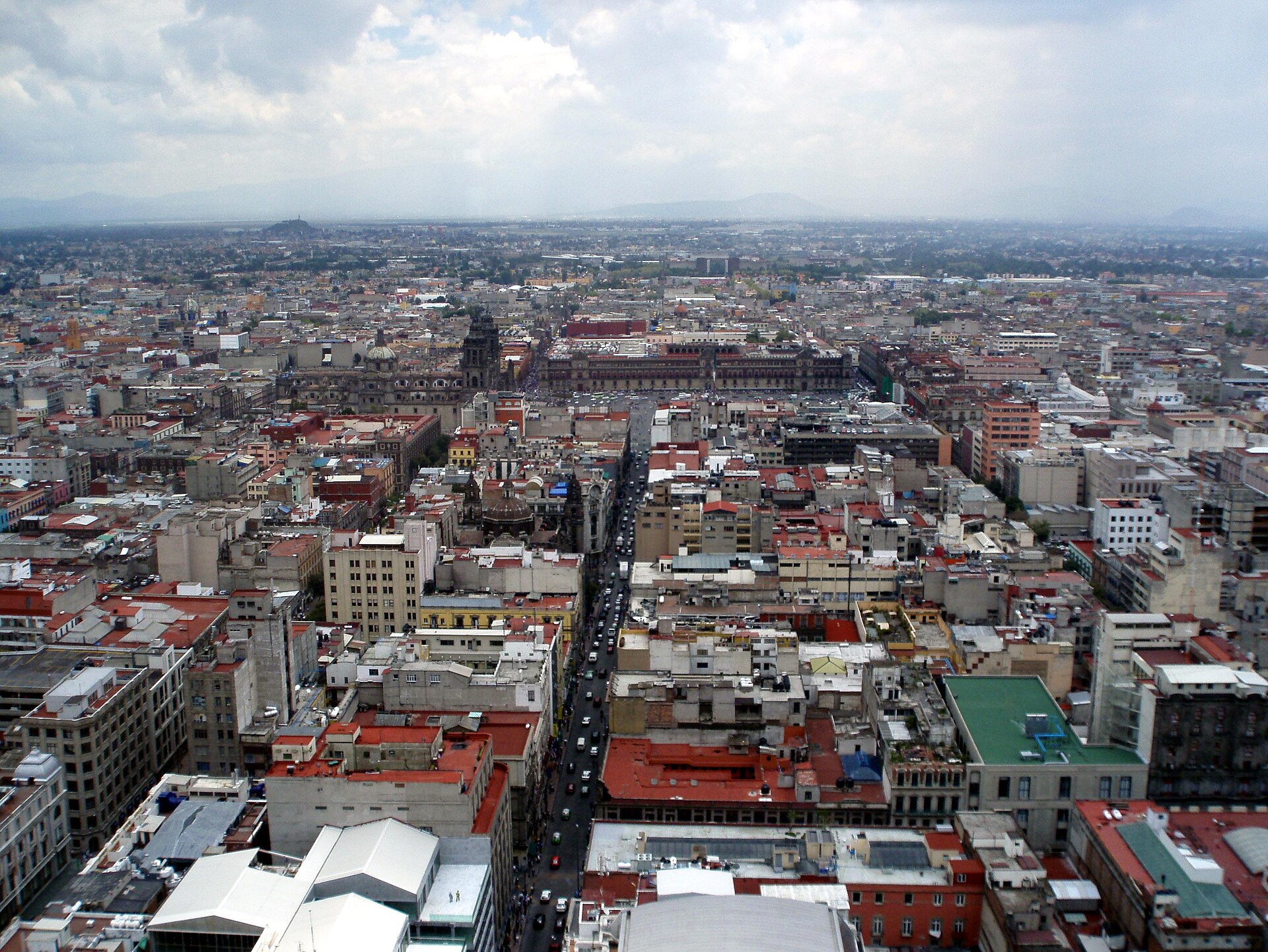
Dusk, the Torre Latinoamericana. The mirador on the 44th floor looks straight down Madero to the Zócalo, the view in the photograph at the top of this page. It is normally open every day, Mondays included, and into the evening; check the hours and the ticket price with the tower before you go. Time it for the last hour of daylight and stay for the lights coming on.
If day one lands on a Monday, the Templo Mayor and the Bellas Artes museum are shut; the cathedral, the streets and the tower are not. Better to move the whole day than to do half of it.
Day two: the Antropología and Chapultepec
09:00, the Museo Nacional de Antropología. Arrive at opening. INAH counted just over five million visitors in 2025, so the first hour is the calm one. Entry is 210 pesos for a foreign visitor in 2026, half that for Mexican nationals and foreign residents with proof, and free for under-13s. The museum is closed on Mondays and open until 18:00 on other days.
The ground floor is archaeology, one hall per culture, arranged around a vast courtyard; the upper floor is ethnography. With 22 permanent halls, you will not see everything, so choose. On a five-day trip the choice makes itself. Go first to the Mexica hall, at the far end of the courtyard, for the Sun Stone and the great sculptures of the Aztec capital whose foundations you walked over yesterday. Then the Teotihuacán hall, because tomorrow you will be standing in the city it describes, and the scale models and the reconstructed temple facade turn a field of ruins into a place where people lived. After that, follow your nose: the Maya hall is the other one most visitors would not want to miss. Three hours is a satisfying first visit; four is not too many.
13:00, lunch in Polanco, a short walk north across Paseo de la Reforma, or in the park itself if you would rather not leave the trees.
14:30, Chapultepec Castle. The castle crowns the hill in the first section of the Bosque de Chapultepec, a walk across Reforma and up the slope from the museum. It houses the Museo Nacional de Historia, and the rooms and terraces where Maximilian and Carlota lived look down over the park and along Reforma. Entry is 210 pesos for a foreign visitor; it closes at 17:00 and all day on Mondays, so do not leave it later than mid-afternoon. If you are flagging, this is the item to drop.
Evening, Roma or Condesa. Both neighbourhoods lie just east of the park, a short app ride away. Spend the evening the way they are best spent, walking the tree-lined medians and eating late. Our neighbourhoods guide explains which is which, and the nightlife guide covers the cocktail bars.
Day three: Teotihuacán, and the Basílica on the way back
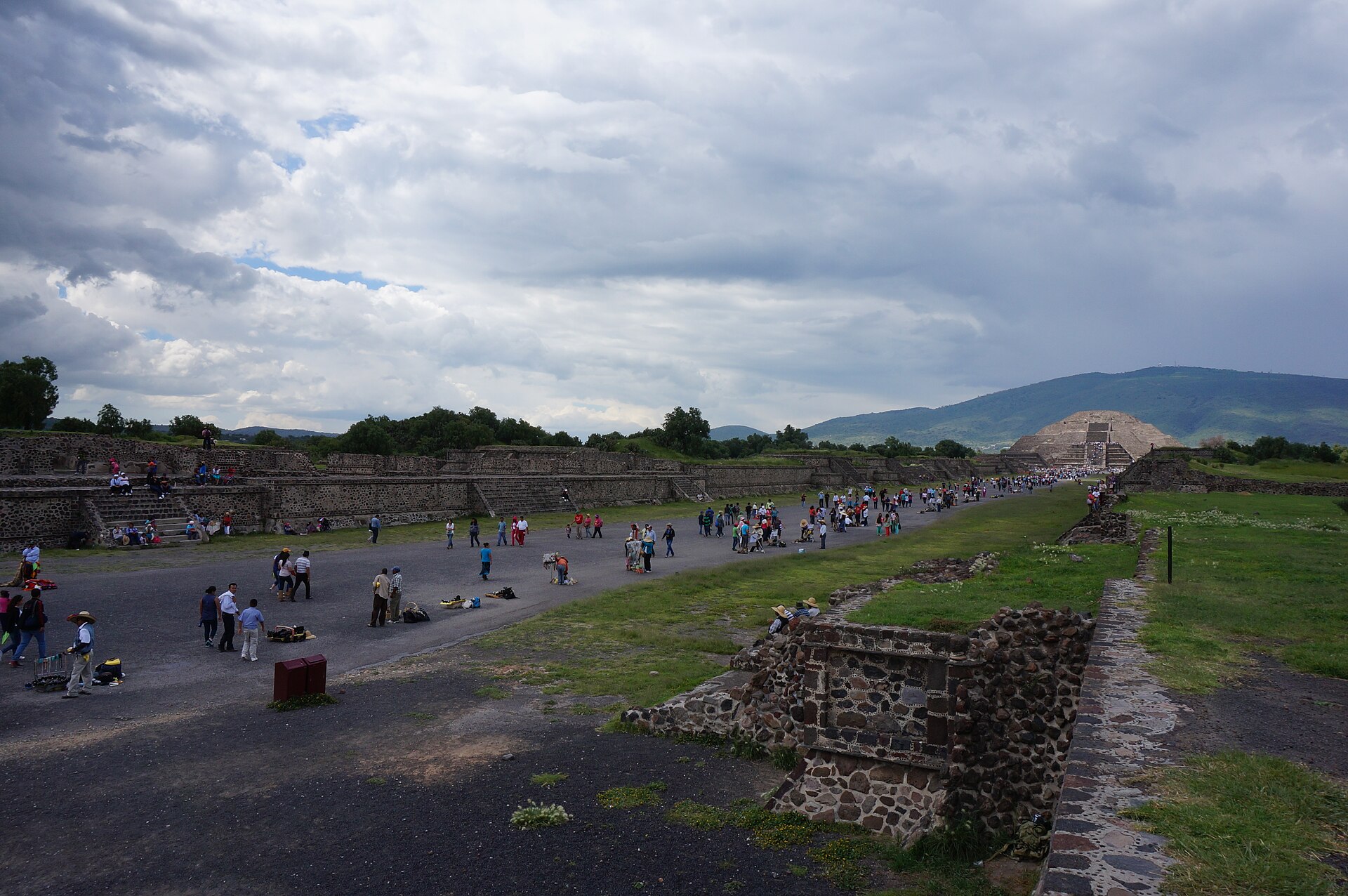
The pyramids are about an hour north of the city by public bus, they open every day of the week, and the best of the day is the morning, before the sun gets high and the coach tours arrive. Our Teotihuacán guide covers the site itself, and Teotihuacán by bus from Mexico City covers the journey step by step. The short version:
- Getting there. Take the Metro to Autobuses del Norte on Line 5, or an app ride if you want to skip the transfers, to the Central de Autobuses del Norte. Buses to the archaeological zone leave from inside the terminal; buy your ticket at the company’s window and ask for the pyramids, not the town of San Juan Teotihuacán, which is a separate stop. Check the fare and the time of the last return bus at the window.
- The site. It opens at 08:00, with last entry at 16:30, and closes at 17:00, every day including Mondays. Admission is 210 pesos for a foreign visitor in 2026.
- The rule almost every other guide gets wrong. You cannot currently climb the pyramids. Ascent of the Pyramid of the Sun has been prohibited since 2020, and the Pyramid of the Moon has been closed to climbers since April 2026, after a brief reopening in 2025. Check INAH’s notices before you go. Visitors keep to the plazas in front of them.
- The route. Start at the Ciudadela and the Temple of the Feathered Serpent at the south end, walk north along the Avenue of the Dead past the Pyramid of the Sun, and finish in the Plaza of the Moon. Allow three to four hours, and take water, a hat and sun cream, because there is very little shade.
- The optional dawn. If you want the valley from the air, a balloon flight means a pre-dawn start and pushes everything else back. Our Teotihuacán hot air balloon guide covers the operators, the prices and the safety record.
Mid-afternoon, the Basílica de Guadalupe. The bus brings you back to the same northern terminal, and from there the Basílica is two short Metro hops: Line 5 one stop to Instituto del Petróleo, then Line 6 to La Villa-Basílica. Entry is free. The huge modern basilica, where the image of the Virgin of Guadalupe hangs above the altar and the faithful pass beneath it on moving walkways, stands beside the older colonial church and chapels on the same plaza. Go for an hour if you have the energy; skip it without guilt if you do not. One warning: around 12 December, the feast of the Virgin, the area fills with pilgrims in enormous numbers, and that week it is a pilgrimage, not a sightseeing stop.
Day four: Coyoacán, the Casa Azul and the Anahuacalli
Coyoacán is the slowest, prettiest day of the five: cobbled streets, two leafy squares, a market and the house where Frida Kahlo was born and died. It is also the one day that depends on a booking.
Morning, the Casa Azul. The Museo Frida Kahlo is at Londres 247 in Colonia Del Carmen, a few blocks north of Coyoacán’s centre. Its 2026 opening hours are Tuesday 10:00 to 18:00, Wednesday 11:00 to 18:00, Thursday 10:00 to 21:00, and Friday to Sunday 10:00 to 18:00; it is closed on Mondays. A general ticket is 320 pesos, and it includes a courtesy visit to the Anahuacalli. Mexican residents pay 160, students and teachers 60, and children aged 6 to 12 pay 30. There is no box office, so the ticket you bought online is the only way in. Allow ninety minutes, and longer if the queue for the bedroom and studio is slow.
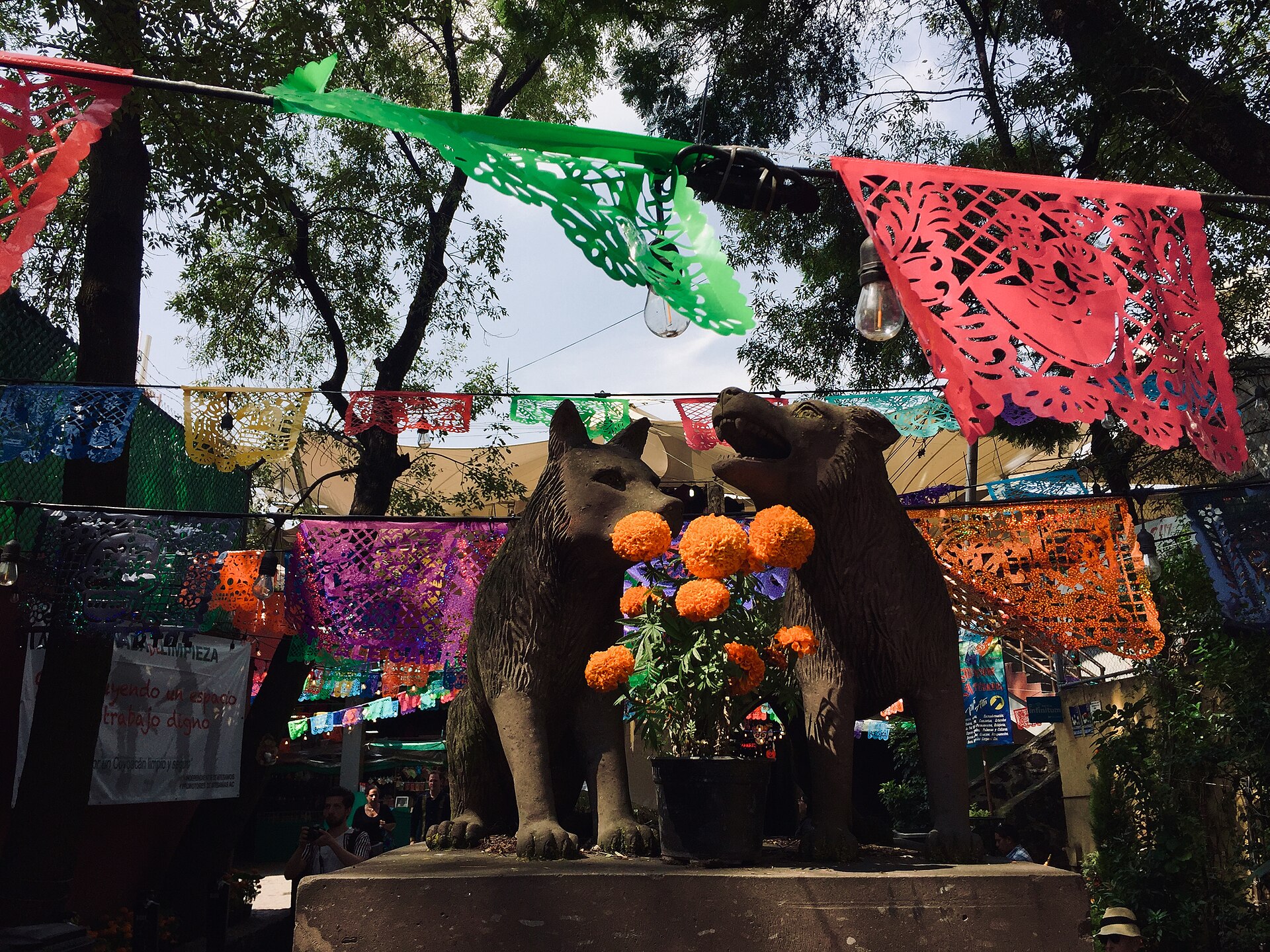
Late morning, the centre of Coyoacán. Walk south to the Jardín Centenario, with its coyote fountain, and the Plaza Hidalgo beside it, where the Parroquia de San Juan Bautista faces the square. Weekends are livelier and much busier than weekdays.
13:30, the Mercado de Coyoacán. A working market a few blocks from the squares, and the right place for lunch: tostadas, quesadillas and fruit at counters with stools. Cash is useful.
15:00, the Anahuacalli. Diego Rivera designed this dark volcanic-stone building as a temple for his collection of pre-Hispanic sculpture, and it feels like nowhere else in the city. It is in San Pablo Tepetlapa, south of Coyoacán’s centre, so an app ride is the simplest link. It opens Tuesday to Sunday from 11:00 to 17:30, which is why it goes in the afternoon, and your Casa Azul ticket covers it.
Getting to Coyoacán: an app ride from Roma or Condesa avoids the walk from the nearest Metro stations, which are some distance from the squares. Metro Line 3 serves the area, and it is in line for a full modernisation whose timetable has shifted more than once, so check the Metro’s notices before relying on it.
The Saturday alternative: Ciudad Universitaria and San Ángel
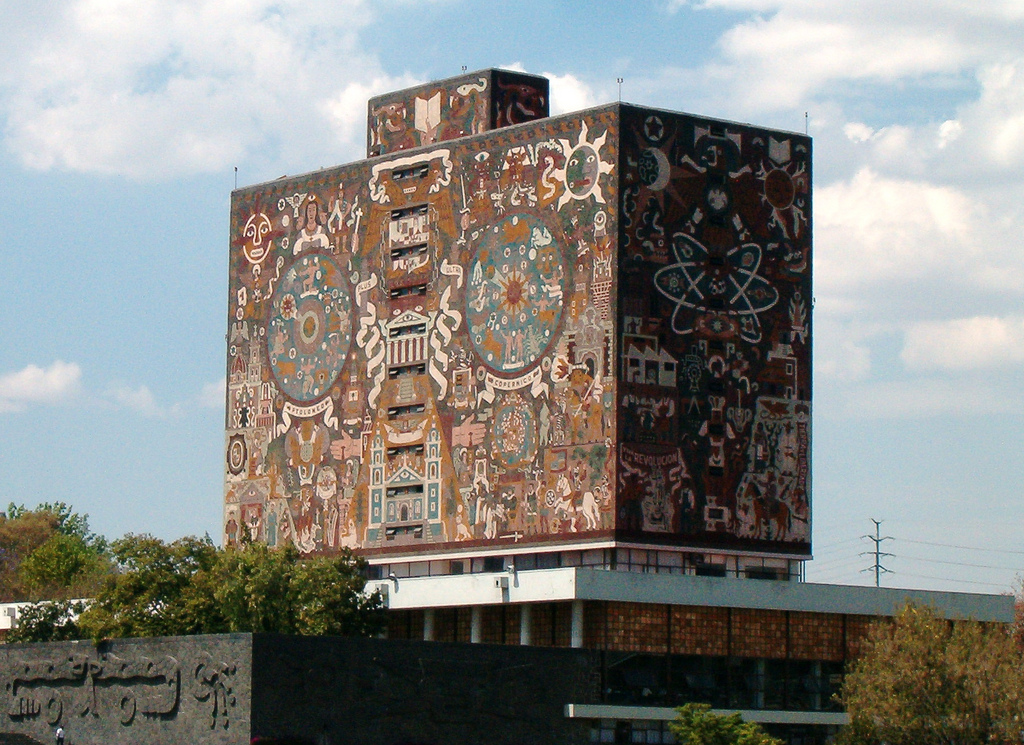
If a Saturday falls on one of your free days, there is a second southern day worth having, and it suits art and architecture people better than the canals. Spend the morning at UNAM’s Ciudad Universitaria, where the central campus is a UNESCO World Heritage site and costs nothing to walk around: Juan O’Gorman’s mosaic wraps the windowless library tower, and the murals and reliefs on the surrounding buildings make the whole campus an open-air gallery of mid-century Mexican design. Then go on to San Ángel for the Bazar del Sábado, the Saturday art and craft market around Plaza San Jacinto, and lunch in the cobbled lanes around it.
Day five: Xochimilco and the Museo Dolores Olmedo
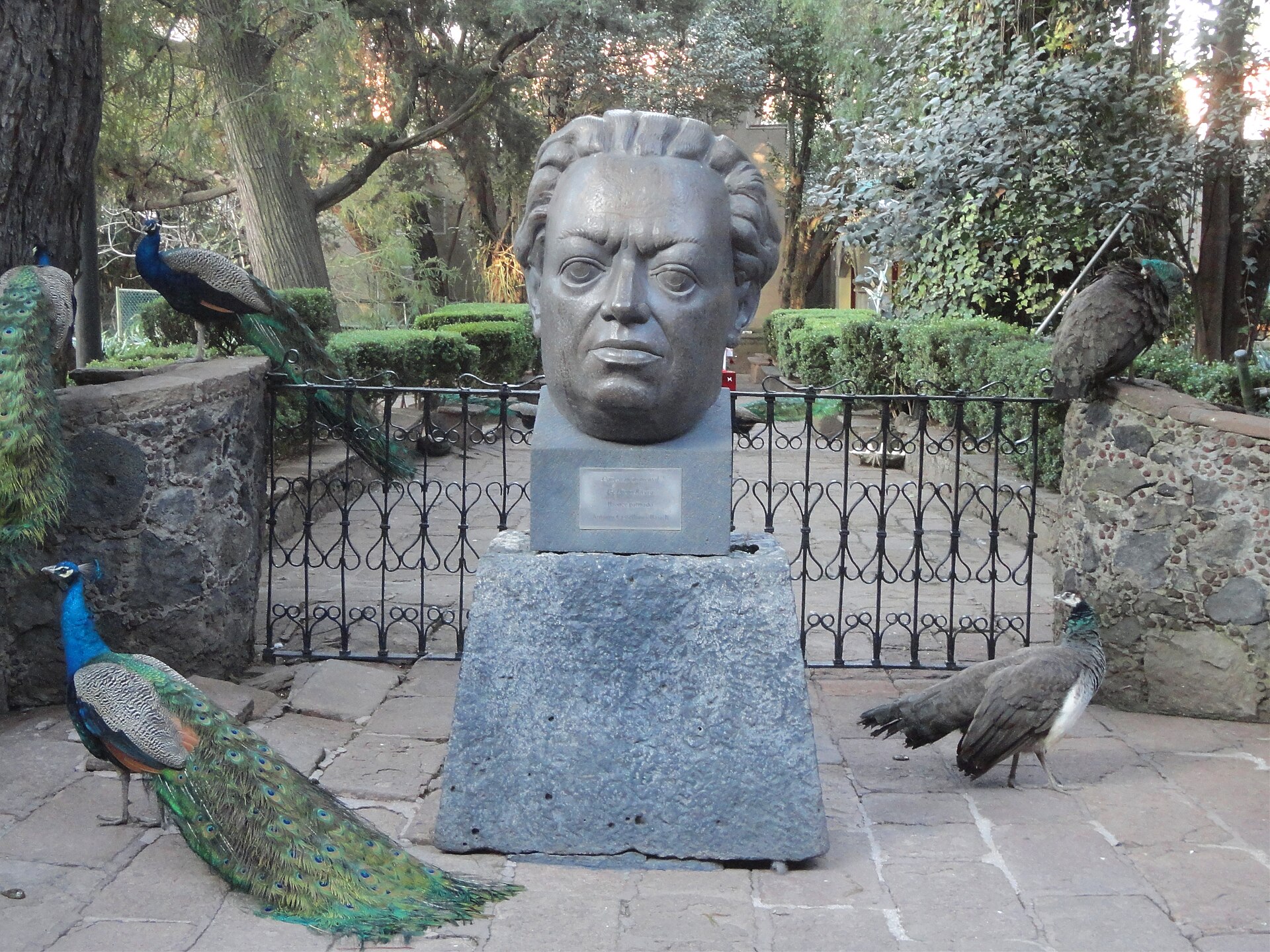
Morning, a trajinera at Xochimilco. The canals are a remnant of the lakes that once filled this valley, and the brightly painted flat-bottomed boats are the way to see them. Read our Xochimilco guide before you go, because the money is where visitors get caught:
- The price is per boat, per hour. The borough’s posted tariff is 750 pesos an hour for the whole trajinera, not per person, and a boat takes up to about eighteen people at that same rate. Confirm the rate at the landing before you agree to anything.
- The landing matters. Nativitas is the busiest and most commercial embarcadero, with mariachi boats and music on the water. Cuemanco is quieter and closer to the working chinampas, the farmed plots built up out of the old lake.
- Cash only on the water. Mariachis charge by the song and food boats by the plate, so agree the price before anyone starts playing or cooking.
- Two hours is the length most people are glad they chose.
Afternoon, the Museo Dolores Olmedo. The museum reopened on 30 May 2026 at its original home, a former hacienda in La Noria, Xochimilco, after closing in 2020. Many English-language guides still list it as closed. It holds a major collection of work by Diego Rivera and Frida Kahlo, set in gardens where peacocks wander about. It opens Tuesday to Sunday from 10:00 to 18:00, and admission is 430 pesos for foreign visitors and 160 for Mexican nationals, a much wider gap than at the INAH sites. An app ride from the landing is the easiest link.
The Polanco alternative. If canals are not your thing, spend day five in the west instead. The Museo Soumaya at Plaza Carso is free and open daily from 10:30 to 18:30, with the Museo Jumex across the plaza. Pair them with Casa Luis Barragán, the architect’s UNESCO-listed house in the Tacubaya area, if you booked a slot in advance.
Evenings worth planning around

Five days gives you five evenings, and two of them are worth fixing in advance.
- Lucha libre at Arena México. CMLL’s Friday-night headline show at 20:30 is the big one, loud, theatrical and enormous fun even if you know nothing about wrestling. CMLL has also run Tuesday-evening and Sunday-afternoon cards at Arena México; check the schedule on cmll.com for your week. The arena is in Colonia Doctores, so take an app ride there and back. On the classic Tuesday start, Friday is day four.
- The Ballet Folklórico de México. Its calendar for November 2026 had performances on Wednesdays at 20:30 and on Sundays at 9:30 and 20:30, so check it for your own dates. It is colourful, polished and unapologetically for visitors; check each listing for the venue and the seat prices.
- Noche de Museos. On the last Wednesday of each month, many museums open late; the Casa Azul, for one, stays open from 17:15 to 21:00 that night.
- A Thursday evening at the Casa Azul. Thursday is its late day, until 21:00, which suits anyone who would rather spend the morning elsewhere.
- An unplanned evening. Keep at least one. The best night in this city is often a long dinner in Roma followed by a walk home under the trees.
Journey buffers: how long things actually take
Distances here look short on a map and are not. The city is enormous, the traffic is heavy at the morning and evening peaks, and Metro transfers can involve long walks through tunnels. These are planning allowances, door to door, outside the rush hours, and they include the walk to and from the station.
| Journey | How | Allow |
|---|---|---|
| Roma or Condesa to the Zócalo | Metro, Metrobús or app ride | 30–45 min |
| Centro to the Antropología | Metro Line 1 to Chapultepec or Line 7 to Auditorio, then a walk, or an app ride | 45 min |
| Antropología to Chapultepec Castle | On foot, across Reforma and up the hill | 30 min |
| Centro to the northern bus terminal | Metro, with two changes, or app ride | 45 min |
| Northern bus terminal to Teotihuacán | Public bus | About 1 hour each way |
| Roma or Condesa to Coyoacán | App ride, or Metro and a walk | 45–60 min |
| Casa Azul to the Anahuacalli | App ride | 30 min |
| Roma or Condesa to Xochimilco | App ride, or the Metro to Tasqueña and then the Tren Ligero light rail | 60–90 min |
The Metro costs 5 pesos a ride to anywhere on the network, the Metrobús 6 and the Cablebús 7, all paid with the rechargeable Movilidad Integrada card from station machines. Buy one on your first day and load it; it removes a daily irritation. On many Metro lines the front carriages are reserved for women and children at peak times, and that is enforced. Our getting around guide covers the network in full, and the safety guide covers taxis, app rides and getting home late.
What five days costs
Admissions are the easy part to pin down. These are the 2026 prices for a foreign adult, checked in November 2026.
| Item | Day | Price (pesos) | Note |
|---|---|---|---|
| Templo Mayor | 1 | 210 | Closed Mondays |
| Palacio Nacional murals | 1 | Free | Guided tour; photo ID for over-18s |
| Museo del Palacio de Bellas Artes | 1 | Check the museum’s site | Free to everyone on Sundays |
| Torre Latinoamericana mirador | 1 | Check with the tower | Normally open daily, into the evening |
| Museo Nacional de Antropología | 2 | 210 | 105 for nationals and residents; under-13s free |
| Chapultepec Castle | 2 | 210 | Closed Mondays |
| Teotihuacán | 3 | 210 | Plus the bus fare both ways, paid at the window |
| Basílica de Guadalupe | 3 | Free | |
| Casa Azul, with the Anahuacalli | 4 | 320 | Online only; one ticket covers both museums |
| Trajinera at Xochimilco | 5 | 750 per boat per hour | Split between everyone on board |
| Museo Dolores Olmedo | 5 | 430 | 160 for Mexican nationals |
Add up the fixed tickets and one foreign adult pays 1,590 pesos across the five days, before the Torre Latinoamericana, the Bellas Artes museum, the Teotihuacán bus and the boat. Two people sharing a two-hour trajinera add 750 each; six sharing it add 250 each. Transport inside the city costs very little if you use the Metro, at 5 pesos a ride, and rather more if you take app rides everywhere. Swap in the alternatives and the total falls: the university campus and the Museo Soumaya are free.
Accommodation and food vary far more than tickets do, and our Mexico City costs guide breaks them down. Two money rules from that page belong here. When a card terminal or cash machine offers to charge you in your home currency, always choose pesos. And carry small notes for markets, boats, tips and the bus window.
Closures and swaps
- Mondays. The Templo Mayor, the Antropología, the Castle, the Casa Azul, the Anahuacalli, the Dolores Olmedo and the Bellas Artes museum are all closed. Teotihuacán, the Xochimilco boats, the Basílica, the Torre Latinoamericana, the cathedral, the markets and the Museo Soumaya are open. Use the start-day table.
- Sundays. You pay full price at INAH sites, and they are at their busiest. Bellas Artes is free for everyone, and Paseo de la Reforma closes to cars for cycling on most Sunday mornings, which is a good reason to get on a bike rather than into a museum.
- Christmas and New Year. The Casa Azul closes on 25 December and 1 January and opens only from 10:00 to 14:00 on 24 and 31 December. Check holiday hours for everything else on those dates, and avoid the Basílica around 12 December unless the pilgrimage is why you came.
- The Palacio Nacional tours are off. See Rivera at Bellas Artes instead, and give the spare hour to the Templo Mayor’s museum.
- Rain. In the rainy season, roughly May to October, storms usually arrive in the late afternoon rather than all day. Do outdoor things in the morning and museums after lunch: on day two that means the Castle terraces first, then the Antropología.
- An air-quality alert. When the city declares a contingencia ambiental, the advice is to cut strenuous outdoor activity, especially in the afternoon. Live readings by district are at aire.cdmx.gob.mx. Swap Teotihuacán for a museum day and go to the pyramids later in the week.
- Metro works. Lines close in stages for modernisation. Check the Metro’s notices the day before, and fall back on app rides.
- The altitude. If you feel short of breath, headachy or wiped out on day one or two, slow down, drink more water and go easy on alcohol; most people adjust within a couple of days. Anyone with a heart or lung condition should take their own doctor’s advice before the trip.
Slower alternatives
Five full days at this altitude is a lot of walking. If the plan above looks like too much, cut whole items rather than rushing every one of them. A trip with eight things done well beats one with fourteen done in a blur.
If five full days is too much
- Drop Chapultepec Castle from day two. Give the Antropología the whole morning and spend the afternoon on a bench in the park or in a café in Roma.
- Drop the Basílica from day three and come straight back from the pyramids for a siesta.
- Split Coyoacán. Do the Casa Azul and the squares, and keep the Anahuacalli for another trip.
- Make day five a free day. Sleep in, wander Roma or Condesa, buy a few things to take home, and have a long lunch. Our markets and shopping guide has ideas for the afternoon.
If you have energy to spare
- Ride the Cablebús over the newer sections of the Bosque de Chapultepec for 7 pesos. Our parks and outdoors guide covers the park beyond the museums.
- Cycle Reforma on a Sunday morning while it is closed to cars.
- Add a sixth day and go further: Puebla and Cholula are the classic second day trip, and our day trips guide covers them, with the travel advisory for each destination state.
Frequently asked questions
Is five days enough for Mexico City?
Yes, for a first visit. Five days covers the historic centre, the Antropología and Chapultepec, Teotihuacán, Coyoacán and Xochimilco without rushing, with evenings to spare. You will not see everything, and nobody does; the city is too big. If you can only stretch to four, drop Xochimilco or merge it with Coyoacán.
What is the best order for five days in Mexico City?
Start with the Centro Histórico, because it is flat and walkable while you adjust to the altitude, then the Antropología before Teotihuacán so the site makes sense. The one fixed rule: put Teotihuacán, or failing that the Xochimilco boats, on your Monday, because the big museums close that day. The start-day table above gives an order for every starting day.
Which day should I visit Teotihuacán?
On a Monday if your trip includes one, because the site is open every day while most of the city’s museums are not. Otherwise any day after you have seen the Antropología. Go early: the site opens at 08:00, and the mornings are cooler and quieter.
Are museums free on Sundays in Mexico City?
Not for visitors at the national museums and archaeological sites. INAH’s free Sunday entry is for Mexican nationals and foreign residents with proof, so a tourist pays 210 pesos at the Antropología, the Templo Mayor, the Castle or Teotihuacán on a Sunday like any other day. The Museo del Palacio de Bellas Artes, which belongs to INBAL, is free to everyone on Sundays.
Do I need to book the Frida Kahlo Museum in advance?
Yes. The Casa Azul sells tickets online only, for a date and time slot, and has no box office. Book as soon as your dates are fixed. The 320-peso ticket also covers a visit to the Anahuacalli.
Can I climb the pyramids at Teotihuacán?
No. Climbing the Pyramid of the Sun has been prohibited since 2020, and the Pyramid of the Moon has been closed to climbers since April 2026. Check INAH’s notices before you go. Many older guides and tour listings still suggest otherwise.
Can I do Xochimilco and Coyoacán on the same day?
You can, but one of them gets short-changed. Both are in the south, and the journey between them takes longer than the map suggests. With five days there is no need: give each its own day, or pair Xochimilco with the Dolores Olmedo as this plan does.
Where should I stay for five days in Mexico City?
Roma or Condesa for leafy streets, restaurants and an easy hop to Chapultepec; the Centro for being on top of day one; Juárez for the middle ground. Our where to stay guide compares the options.
How much does five days in Mexico City cost?
The fixed admissions in this plan come to 1,590 pesos for a foreign adult, plus the Torre Latinoamericana, the Bellas Artes museum, the bus to Teotihuacán and a share of a trajinera at 750 pesos per boat per hour. Accommodation and food are the variables; our costs guide breaks them down.
Before the Xochimilco day, read our guide to Xochimilco boat prices and booking. The boat costs the same 750 pesos an hour at every official landing, so what each of you pays depends entirely on how many share it, and the guide covers what to agree before you step on board.
Related Mexico City Guides
- Mexico City itineraries: how many days you need, and what each extra day adds.
- 3 days in Mexico City: the compressed version of this plan.
- Teotihuacán, Teotihuacán by bus and the balloon flights.
- Mexico City museums and Frida Kahlo Museum tickets.
- Xochimilco: the boats, the landings and the tariff.
- Where to stay and the neighbourhoods.
- Getting around, costs and safety.
- When to visit and Mexico City in November.
- Mexico City airport to the city centre, for arrival day.
Sources and verification
Prices, opening hours and rules on this page were checked in November 2026 against the institutions’ own pages:
- INAH, Boletín No. 6 of 6 January 2026: the Museo Nacional de Antropología’s 2026 tariff (210 pesos, half price for nationals and residents), the exemptions and the Sunday rule, its 2025 visitor figure and its 22 permanent halls. inah.gob.mx
- Museo Frida Kahlo, visitor page: hours, prices, the online-only rule, holiday closures, Noche de Museos hours and the Anahuacalli courtesy visit. museofridakahlo.org.mx
- Museo Dolores Olmedo, visit page: hours and admission. museodoloresolmedo.org.mx
- INAH, Lugares INAH listings for Teotihuacán, Chapultepec Castle and the Museo Nacional de Antropología: hours and prices. lugares.inah.gob.mx
- Museo Anahuacalli: opening hours. museoanahuacalli.org.mx
- Palacio Nacional visitor guidance from the federal government: free guided tours, ID and cloakroom rules, and suspension without notice. gob.mx
- Ballet Folklórico de México, performance calendar. balletfolkloricodemexico.com.mx
- CMLL, Arena México schedule. cmll.com
- Museo Soumaya, hours and free entry. museosoumaya.org
- Casa Luis Barragán, booking. casaluisbarragan.org
- Mexico City air-quality readings. aire.cdmx.gob.mx
Before you travel, check three things on the day: the hours on each INAH museum’s own page, the Metro’s service notices for line works, and whether the Palacio Nacional’s tours are running. The Templo Mayor, Chapultepec Castle and Teotihuacán prices are INAH’s 2026 rates; INAH revises its tariffs each January, so a trip in 2027 should be checked again.
Photo Credits
View from the Torre Latinoamericana towards the Zócalo: Mexico City seen from Torre Latinoamericana by Dag Lindgren, CC BY-SA 3.0, via Wikimedia Commons.
The Avenue of the Dead and the Pyramid of the Moon: Calzada de los Muertos, fondo Pirámide de la Luna by Barbara Castro Mejia, CC BY-SA 3.0, via Wikimedia Commons.
Coyote sculptures, Mercado Artesanal Mexicano, Coyoacán: Estatua de coyotes by Luciernaga3, CC BY-SA 4.0, via Wikimedia Commons.
Biblioteca Central, Ciudad Universitaria: Biblioteca Central UNAM México by Scanudas, CC BY 2.0, via Wikimedia Commons.
Diego Rivera’s bust at the Museo Dolores Olmedo: Monumento a Diego Rivera en Museo Dolores Olmedo, Ciudad de México by Juan Carlos Fonseca Mata, CC BY-SA 4.0, via Wikimedia Commons.
Lucha libre at Arena México: Una noche de Lucha Libre en la Arena México, entrada del Místico (cropped) by Ferfive, CC BY 4.0, via Wikimedia Commons.