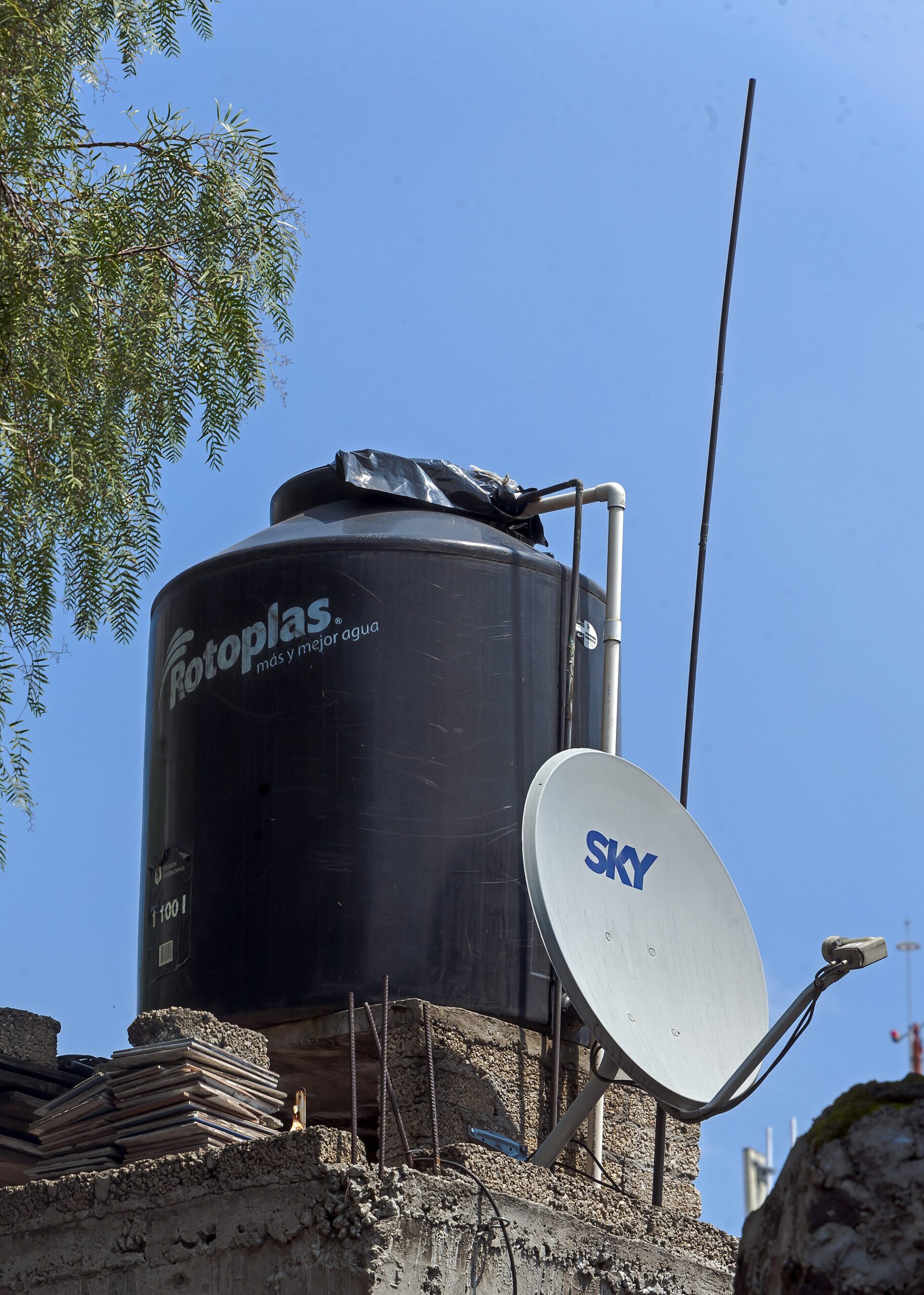
Look up from almost any street in Mexico City and you can see where the tap water has been. It sits in a black or beige plastic tank on the roof, a tinaco, or in a cistern under the building, before it reaches the kitchen. That is a large part of why the city’s own residents, who know their water better than anyone, buy their drinking water in bottles and 20-litre jugs. So, can you drink tap water in Mexico City? Not straight from the tap, and you won’t need to: purified water is cheap, everywhere and built into the way the city lives. The real questions are the smaller ones that catch visitors out. Is the ice safe? Can you brush your teeth with tap water? What about the jug in your rental, the salad at lunch, and the coffee? And what do you do if your stomach disagrees anyway?
This guide answers those, situation by situation, with what the official standards and the main travel-health authorities actually say (checked November 2026). For the city’s other risks, from pickpockets to taxis, start with our Mexico City safety guide. Nothing here is medical advice; for anything about your own health, talk to a doctor or a travel clinic.
The short answer
- Don’t drink the tap water. Drink bottled or purified water, which is what most residents do. Whatever its quality where it leaves the mains, the water reaching a tap usually passes through a building’s own tanks and pipes first.
- Ice is generally fine in established restaurants, bars and cafés, which buy commercially made ice. Be more careful with ice of unknown origin, such as from a street cart.
- Brushing your teeth: the CDC’s advice where water may be unsafe is to use bottled, boiled or treated water. A bottle by the sink costs almost nothing.
- Showering is fine. Just keep your mouth closed.
- If you boil water, boil it for three minutes, not one. Mexico City is above the altitude at which the US Centers for Disease Control and Prevention (CDC) extends its boiling time.
- Before you go, the CDC recommends hepatitis A vaccination for unvaccinated travellers aged one and over, and typhoid vaccination for most travellers to Mexico. Ask a travel clinic what applies to you.
- If you get ill, replace fluids with oral rehydration salts, sold in every pharmacy, and see a doctor if it is severe, bloody, feverish or not settling.
Everyday water, situation by situation
| Situation | The practical answer |
|---|---|
| Hotel bathroom tap | Don’t drink it. Use the bottled water provided, or buy your own. |
| Bottled water from a shop | Fine. Check the seal is intact. |
| A garrafón (20-litre jug) in a rental | Fine if it was delivered sealed and the dispenser is clean. |
| Refill stations (purificadoras) | Widely used by residents. Choose a busy, clean one and use a clean container. |
| Water served in restaurants | Established restaurants serve purified water. If in doubt, ask, or order a bottle. |
| Ice in restaurants and bars | Generally commercial ice from purified water. Be warier of ice on street carts. |
| Aguas frescas | Made with purified water at established places; judge a street stall by how busy and clean it is. |
| Coffee and tea | Fine; the water is boiled or purified. |
| Brushing teeth | Bottled water is the cautious choice, and it costs almost nothing. |
| Showering | Fine. Keep your mouth closed. |
| Washed salad and cut fruit | Fine where the kitchen disinfects produce, which well-run restaurants do. More caution at the cheapest stalls. |
| Boiling it yourself | Three minutes at a rolling boil at this altitude. |
What the official position actually says
The honest answer is less dramatic than travellers’ forums suggest, and more complicated than “it’s fine”.
Mexico has a national standard for drinking water, NOM-127-SSA1-2021, titled in Spanish Agua para uso y consumo humano. Límites permisibles de la calidad del agua: the permitted limits on the quality of water for human use and consumption. It sets the limits that public supplies are meant to meet. The city’s own tourism portal goes further and describes Mexico City’s tap water as potable, while noting in the same breath that most residents and visitors drink bottled water. Both things can be true. The quality of water in the mains is one question. The quality of the water coming out of a particular tap, in a particular building, on a particular day, is another.
The tank on the roof
Most buildings in the city store their water before it is used: in a tinaco on the roof, a cistern below ground, or both. Those tanks keep a steady supply and pressure, and they are the building’s responsibility, not the water utility’s. Mexico’s Secretaría de Salud tells households to clean cisterns and storage tanks at least every six months. Some do; some don’t. Add the condition of a building’s own pipes, and a visitor has no way of knowing what has happened to the water between the street and the glass. That uncertainty, more than anything in the mains, is why people here don’t drink from the tap.
What happened in Benito Juárez in 2024
In April 2024, residents in parts of the central Benito Juárez borough reported tap water that smelled of fuel. On 10 April the city government said it had traced the source to the Alfonso XIII well in neighbouring Álvaro Obregón, which officials said had been secured the night before. Reports on the final cause differ, but the episode is a useful reminder of two things. Problems can reach the network itself, not just a building’s tank. And the CDC is clear that boiling cannot make water containing fuel or toxic chemicals safe: it kills germs, it doesn’t remove contamination like that. If your tap water ever smells or tastes of fuel or chemicals, don’t use it for anything you swallow, and ask your host or hotel what is going on.
Bottled water, garrafones, refill stations and ice
The purified water that the city actually drinks comes in three forms, and all three fall under a separate national standard, NOM-201-SSA1-2015. It covers water and ice for human consumption, whether sold sealed in bottles or bags or in bulk from a refill counter, and it is mandatory for every business that processes or imports them. Compliance is overseen by the Secretaría de Salud and state governments.
- Bottles, from half a litre upwards, in convenience stores, markets and supermarkets. Buy the bigger sizes for your room; they are much cheaper per litre than the little ones.
- Garrafones, the big refillable jugs, usually 20 litres, that sit on a dispenser or a hand pump in kitchens and offices across the city. Apartments and guesthouses usually have one. They are delivered sealed and swapped when empty.
- Refill stations (purificadoras), small shops that fill your own container with purified water. They are part of daily life for many residents. Choose one that is busy and visibly clean, and use a clean container.
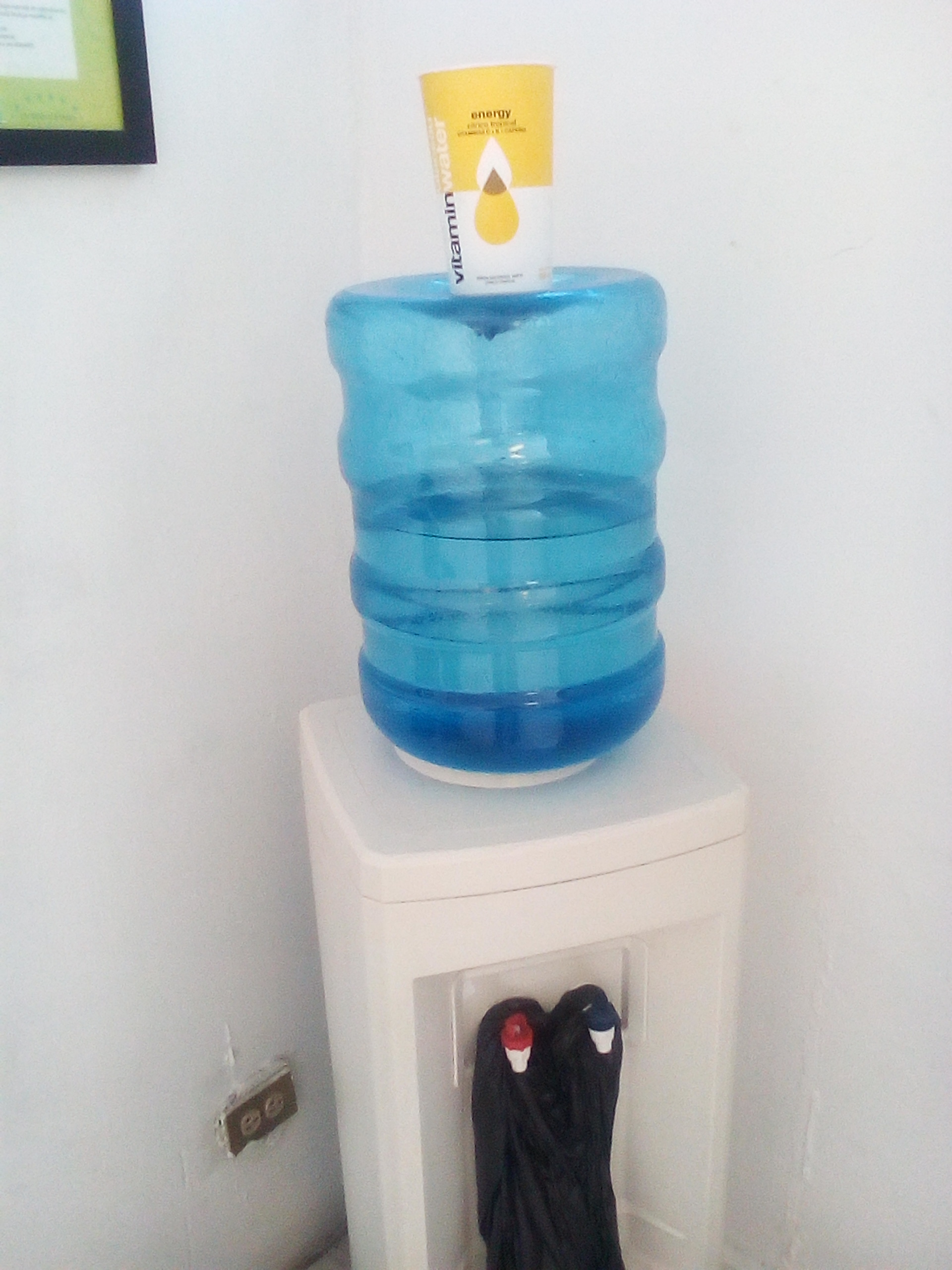
For a visitor, the simple rules are these. Check that a shop-bought bottle’s seal is intact. If your rental has a garrafón, ask the host when it was delivered and who replaces it, and keep the dispenser’s taps clean. And if a jug arrives without a seal, don’t use it.
Ice is the question visitors ask most, and the answer is mostly reassuring. Restaurants, bars and cafés generally buy ice from commercial ice plants, which fall under the same standard as bottled water; the bagged ice in shops is the same product. The cases worth more thought are ice of unknown origin, like crushed ice on a street cart or a block being chipped on a pavement. If you are in doubt, ask for your drink sin hielo, without ice.
Which approach suits which traveller
The same rules apply to everyone, but how much effort they take depends on where you sleep and who you are travelling with.
Hotel guests
Hotels usually leave bottled water in the room or have purified water available for guests. Use it for drinking and, if you like, for brushing your teeth. Ask at reception if you are running low rather than topping up from the tap. If you’re there for several nights, a big bottle from the nearest convenience store saves a lot of small plastic ones.
Apartment and rental guests
Ask the host before you arrive how drinking water works in the flat. The usual answer is a garrafón, sometimes a filter installed under the sink. Find out who replaces the jug and how, and whether there is a delivery number. A filter is only as good as its last cartridge change, so ask when that was; if nobody knows, stick to the garrafón or bottled water. Keep a couple of bottles in reserve in case the jug runs out late at night.
Hostels
Hostels commonly have a purified water dispenser for guests; ask at check-in. Bring a refillable bottle and fill it there. It is cheaper and greener than buying plastic bottles every day.
Long stays
If you’re staying a month or more, do what residents do: a garrafón delivery or a nearby refill station, a clean bottle for going out, and a habit of checking the seal. For cooking, use purified water for drinks and anything you don’t cook, and wash produce as described below.
Babies and small children
Use bottled or purified water for anything a baby or toddler swallows, including formula, and wash bottles and teats in it too. Many parents also use bottled water for their children’s teeth. Bring oral rehydration salts (they are also sold here), because small children dehydrate faster than adults, and see a doctor sooner rather than later if a child becomes ill. Our guide to Mexico City with kids covers the rest of family travel.
Pregnancy and health conditions
If you are pregnant, immunocompromised, or have a condition that makes dehydration or infection more serious, be strict: bottled or purified water only, including for teeth, and care with ice and raw food. Talk to your own doctor before you travel. Note also that the CDC advises people who are pregnant, have thyroid problems or are sensitive to iodine to avoid water treated with iodine.
Day trips and hikes
Outside the city, the same rules apply, and supplies may be further apart. Carry more water than you think you’ll need on a day trip to Teotihuacán or a hike in the hills around the valley; the sun is strong at 2,240 metres, and it is easy to underestimate how much you’ll need. For the walks themselves, see our guide to parks and the outdoors, and for trips out of the city, our day trips guide.
What to sort out before you arrive, and on day one
For water, the “what to check before you leave, and what to fall back on” question takes about five minutes.
Before you arrive
- Ask your host or hotel how drinking water works. A garrafón, a filter, bottles in the room, a dispenser in the lobby? In Spanish: ¿Cómo funciona el agua para beber? ¿Hay garrafón?
- If there’s a garrafón, ask who replaces it and how: ¿Quién cambia el garrafón?
- If there’s a filter, ask when the cartridge was last changed. If nobody knows, treat the tap as a tap.
- Book a travel clinic or your own doctor a few weeks ahead if you need vaccines.
- Pack a refillable bottle and a few sachets of oral rehydration salts.
On day one
- Buy a couple of large bottles of water at the nearest convenience store, even if your room has some. Late at night is when you’ll run out.
- Put one by the bathroom sink, so brushing your teeth with bottled water takes no thought.
- Note the pharmacy nearest to where you’re staying.
- Carry water when you go out. Mexico City is 2,240 metres up and the sun is strong, and a full day of sightseeing makes it easy to forget to drink.
The fallback is always the same. If anything about the water where you’re staying seems off, from a broken seal to an odd smell, switch to sealed bottles and tell your host. None of this needs booking; it only needs asking.
Boiling, filtering and treating water yourself
Most visitors never need to treat water themselves, because purified water is so easy to buy. If you do, these are the CDC’s rules.
Boiling: three minutes, not one
The CDC’s emergency-water guidance is to bring clear water to a rolling boil for one minute, and for three minutes at elevations above 6,500 feet. Mexico City sits at about 2,240 metres, roughly 7,350 feet, so the three-minute rule is the one that applies. Water boils at a lower temperature at altitude, which is why the time goes up. Let it cool, and store it in a clean, covered container. If the water is cloudy, let it settle or strain it through a clean cloth first.
Filters and purifiers
Filter bottles are popular with travellers, but they don’t all do the same job. According to the CDC, portable filters need an absolute pore size of 1 micron or smaller to remove parasites such as Giardia and Cryptosporidium, and 0.3 micron or smaller to remove bacteria. Ordinary portable filters will not remove viruses. The CDC’s travel guidance notes that ultrafilters, with pores around 0.01 micron, can also remove viruses; otherwise, add a chemical disinfectant or use a UV device after filtering. Read your filter’s specification before you rely on it. A bottle marketed for hiking may be rated for parasites only.
Chemical tablets and UV light
Chlorine and iodine tablets kill bacteria and viruses but may not kill parasites; chlorine dioxide tablets also kill Cryptosporidium if used exactly as instructed, according to the CDC. Portable UV units work only in clear water, so filter or settle cloudy water first. And none of these methods, boiling included, can deal with fuel or chemical contamination.
Restaurants, cafés, bars and drinks
Eating and drinking out is where the question mostly answers itself. Established restaurants, cafés and bars in Mexico City generally cook and serve with purified water. If you’re given a glass or jug of water at the table, it will almost always be purified, and you can ask: ¿Es agua purificada? Or order a bottle, agua natural for still or agua mineral for sparkling.
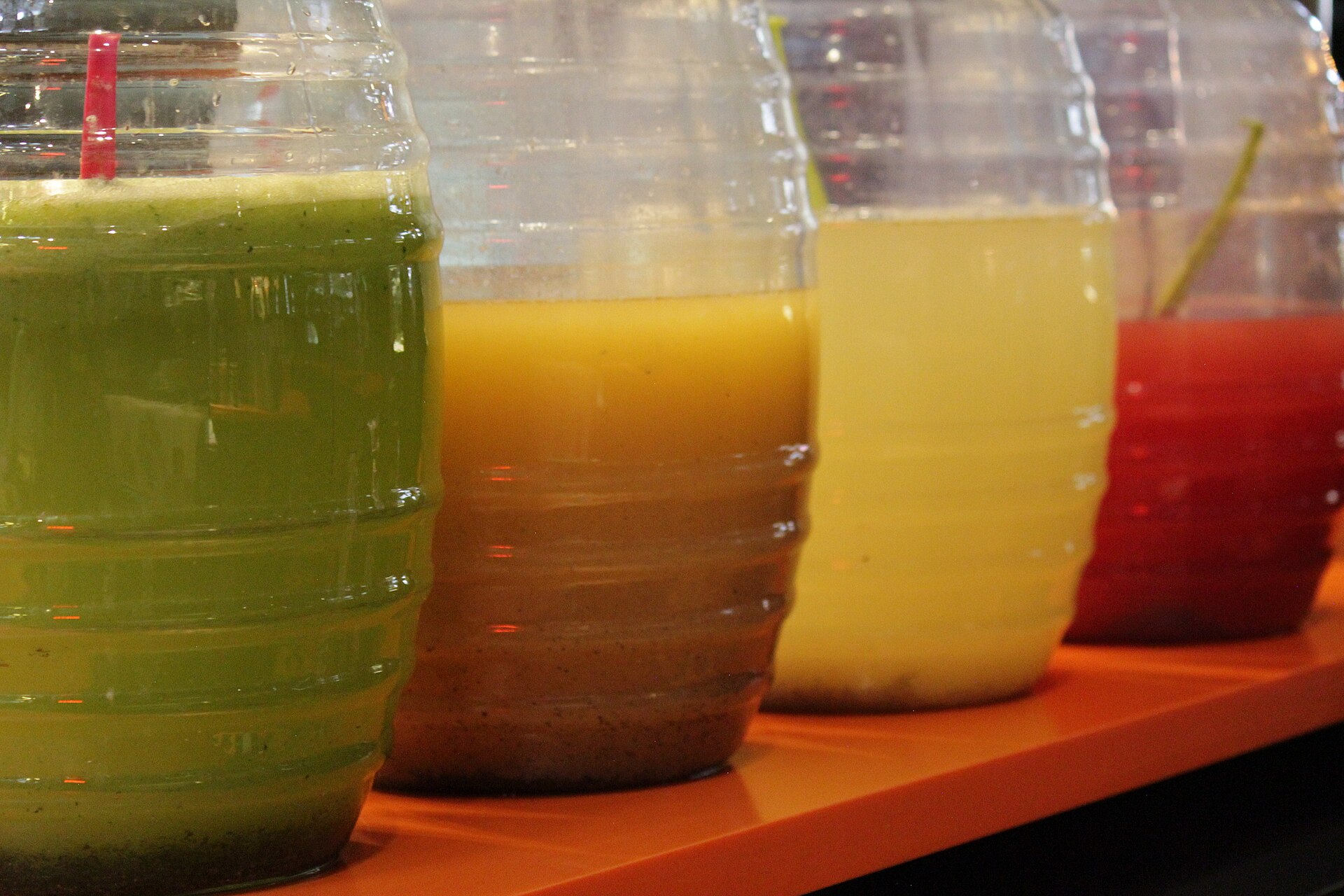
- Aguas frescas, the jars of hibiscus, horchata, tamarind and fruit waters, are made with purified water in restaurants, markets and established stalls. They are one of the pleasures of eating here; don’t let water worries keep you from them.
- Coffee and tea are made with boiled or purified water and are not a concern.
- Beer, soft drinks and mineral water come sealed. Wipe the rim of a can or bottle if it’s been sitting in ice.
- Cocktails and blended drinks in bars use commercial ice. At a street cart, judge it the way you would the food: by how busy and clean it is.
For where and what to eat, see our Mexico City food guide and our pick of the best tacos in Mexico City.
Salads, fruit and market food
Water reaches you in food as well as in glasses. Raw vegetables, herbs and cut fruit are washed, and the question is what with. Well-run restaurants wash and disinfect produce as standard, and you’ll find produce disinfectant drops in Mexican supermarkets, because that is how households here do it too. At the cheapest stalls you can’t know, so be more selective there in your first few days: food cooked hot in front of you, fruit you peel yourself, and raw salsas and garnishes from places that are busy and clean.
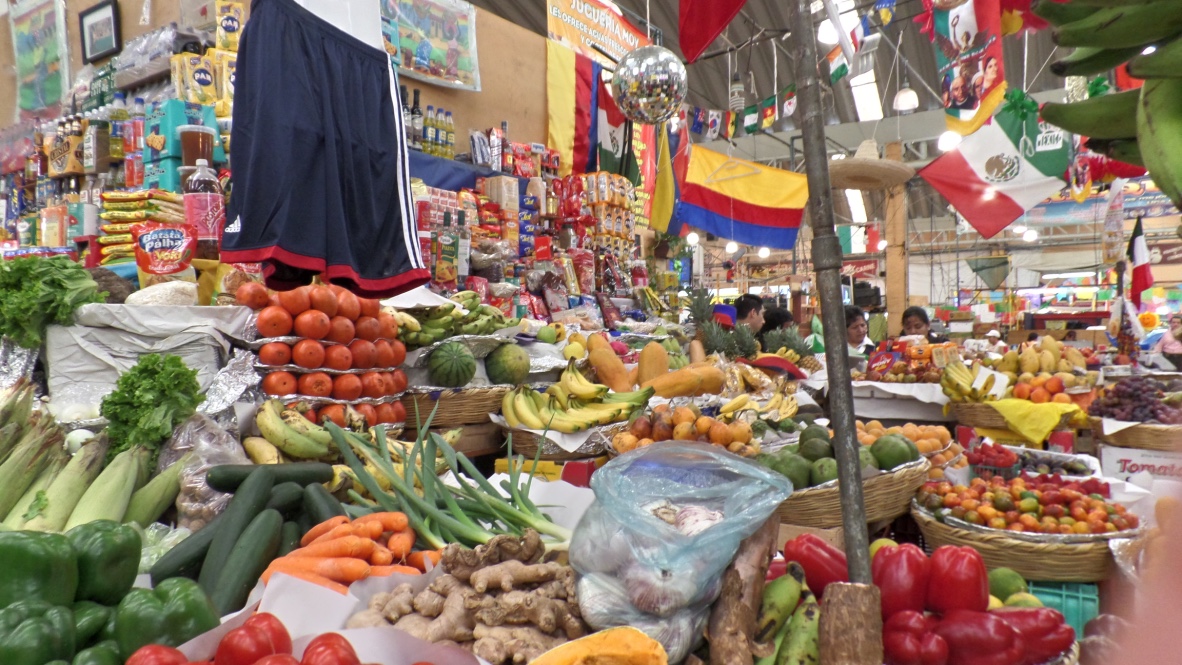
If you’re cooking for yourself in a rental, do what residents do: wash produce in purified water with a few drops of disinfectant, following the instructions on the bottle, and peel what you can.
Brushing teeth, showers and the bathroom
This is where advice online goes to extremes. Habits vary. The CDC’s general guidance for water that is known or suspected to be unsafe is to use bottled, boiled or treated water for brushing teeth too. In practice, a bottle by the sink costs almost nothing and removes the question, so if you’re at all uneasy, or you’re travelling with children or a health condition, use it.
Showering in tap water is fine. Keep your mouth closed, and don’t rinse contact lenses or lens cases in tap water. Washing your hands with soap and tap water is normal and recommended.
Myths worth dropping
Travellers arrive with a lot of folklore about Mexican water. Some of it was never true, and some of it is out of date.
- “Getting ill is inevitable.” It isn’t. Stomach upsets are common wherever travellers change their food and routine, but purified water, busy places to eat and clean hands remove most of the risk.
- “Never have ice.” In established restaurants and bars, ice comes from commercial producers that fall under the same national standard as bottled water. Avoiding all ice means missing a lot of good drinks for very little gain.
- “Boiling makes any water safe.” Boiling kills germs, and at this altitude it takes three minutes. It does nothing for fuel or chemical contamination.
- “A filter bottle turns tap water into drinking water.” Only if it is rated for what you need. The CDC notes that ordinary portable filters don’t remove viruses.
- “No salad, ever.” Well-run restaurants disinfect produce as routine. Be choosier at the cheapest stalls in your first few days, and eat the salad at a good restaurant.
- “Mexico City’s water is filthy.” The city’s tourism portal calls the mains supply potable, and a national standard sets the limits it is meant to meet. The reason not to drink from the tap is the uncertainty between the mains and your glass, not a belief that the city’s water is dirty.
If you get ill
Travellers’ diarrhoea is common wherever people change their food, water and routine, and Mexico City is no exception. Most cases are mild and pass on their own. The aim is to stay hydrated, rest, and know when to stop treating it yourself.
Rehydrate first
The CDC’s guidance is that severe fluid loss is best replaced with oral rehydration solution made from packaged oral rehydration salts. Pharmacies in Mexico sell them, as sachets to mix with purified water and as ready-made drinks. The city’s tourism portal mentions ready-made rehydration drinks, such as Pedialyte and Electrolit, which you’ll see in convenience stores too. Sip steadily rather than drinking large amounts at once.
Be careful with anti-diarrhoea tablets
The CDC says antimotility drugs such as loperamide should not be used on their own when there is blood in the stool or a fever. If you have either, see a doctor rather than self-treating. Check with a pharmacist or doctor before giving any medicine to a child.
When to see a doctor
See a doctor if your symptoms are severe, if there’s blood in your stool or a high fever, if you can’t keep fluids down or are becoming dehydrated, or if it isn’t improving after a few days. Go sooner for children, older travellers, anyone pregnant and anyone with a chronic condition.
- Pharmacy consulting rooms. Many pharmacies, including branches of the Farmacias Similares chain, have a doctor’s consulting room (consultorio) attached, which many residents use for minor illnesses. Ask the price at the branch.
- Private hospitals and doctors. Mexico City has large private hospitals. Your travel insurer’s assistance line can direct you to one it works with. The US Embassy publishes medical resources through its Resource Navigator, and other embassies keep similar lists.
- Emergencies. Call 911, the national emergency number.
Keep your insurer’s assistance number on paper as well as on your phone, and tell them early if you need treatment; many policies require it.
Before you go: vaccines and a small kit
The CDC’s page for Mexico recommends hepatitis A vaccination for unvaccinated travellers aged one year and over, and typhoid vaccination for most travellers. Both diseases can spread through contaminated food and water. Book a travel clinic or your own doctor a few weeks before you leave, because some vaccines need time to take effect, and ask what applies to you. Travellers from the UK can check the National Travel Health Network and Centre’s TravelHealthPro page for Mexico, which carries the UK’s own recommendations.
A small kit covers most of what you’re likely to need:
- A refillable water bottle, for hotel and hostel dispensers.
- A few sachets of oral rehydration salts, though you can buy them in any pharmacy here.
- Hand sanitiser for eating on the go.
- A purifier or a filter rated for bacteria and parasites if you plan to hike or travel off the beaten track. Not needed for a city break.
- Your travel insurance details, written down.
Water cuts and quirks in rentals
Mexico City has long had water supply pressures, and from time to time the water utility, SACMEX, announces planned cuts to parts of the city for maintenance. If you’re staying in an apartment and the taps run dry, the usual reason is an empty tinaco or a scheduled cut. Ask your host, who will know how the building’s supply works. A rental with a full garrafón and a couple of spare bottles is unaffected for drinking purposes.
One quirk is worth knowing: water can run cloudy or discoloured for a while after a cut. Let it run clear before you use it, and don’t drink it in any case.
Help numbers
| Service | Number | What it is for |
|---|---|---|
| National emergency | 911 | Ambulance, police and fire, anywhere in Mexico |
| Locatel | 55 5658 1111 | Mexico City’s public information and help line, for non-emergencies |
| Your embassy | See its website | Lists of doctors and hospitals, and help if you are seriously ill |
| Your travel insurer | On your policy | Approved hospitals, payment guarantees and medical assistance |
Numbers checked November 2026 against Mexico City’s official tourism portal. More numbers, and what each is for, are in our safety guide.
What no source can promise you
It is worth being clear about the limits of every source on this page, this one included.
- Official standards describe the supply, not your building. NOM-127 sets limits for drinking water. Nothing a city agency publishes can vouch for the tinaco on a particular roof or the pipes in a particular flat.
- The CDC writes for a whole country. Its Mexico page covers everywhere from beach resorts to remote villages, and its food and water advice is deliberately cautious. That is the right default for a visitor, not a verdict on Mexico City in particular.
- Anecdotes cut both ways. Some people drink tap water in Mexico City without trouble, and some travellers get ill without going near a tap. Neither tells you much about the next glass.
- Things change. Supply problems, contamination incidents and health advice all move. Check the CDC’s Mexico page, or your own country’s travel-health service, close to your departure date, and follow any local notice you see while you are here.
The practical conclusion is the one residents reached long ago: purified water costs very little, so there is no reason to gamble on the tap.
Frequently asked questions
Can you drink tap water in Mexico City?
It isn’t recommended. Drink bottled or purified water, as most residents do. Water usually passes through a building’s own tanks and pipes before it reaches the tap, so its quality there depends on that building, not just on the mains.
Can I brush my teeth with tap water in Mexico City?
The CDC’s general advice where water may be unsafe is to use bottled, boiled or treated water for brushing teeth. A bottle by the sink costs very little, so use one, and always for small children.
Is the ice safe in Mexico City?
In established restaurants, bars and cafés, generally yes. They buy commercial ice, which falls under the same national standard as bottled water. Be more careful with ice of unknown origin, such as on street carts, and ask for drinks sin hielo if in doubt.
Is the water in restaurants safe to drink?
Established restaurants serve and cook with purified water. If you’re unsure, ask ¿es agua purificada? or order a bottle.
How long should I boil water in Mexico City?
Three minutes at a rolling boil. The CDC’s emergency-water guidance is one minute, rising to three minutes above 6,500 feet, and Mexico City is at about 7,350 feet. Boiling does not remove fuel or chemical contamination.
Are garrafones and refill stations safe?
They are how much of the city gets its drinking water, and both fall under the national standard for packaged and bulk water and ice. Make sure a garrafón is sealed when delivered, keep the dispenser clean, and choose busy, clean refill stations.
Can I shower in tap water?
Yes. Keep your mouth closed, and don’t rinse contact lenses in it.
What should I do if I get traveller’s diarrhoea?
Rest and rehydrate with oral rehydration salts, which every pharmacy sells. Don’t use anti-diarrhoea tablets alone if there’s blood or fever. See a doctor if symptoms are severe or don’t improve within a few days, and sooner for children, older travellers and anyone pregnant. A pharmacy consulting room is often the quickest option.
Do I need vaccines for Mexico City?
The CDC recommends hepatitis A vaccination for unvaccinated travellers aged one and over and typhoid vaccination for most travellers to Mexico. Ask a travel clinic a few weeks before you go what applies to you.
Related Mexico City Guides
- Is Mexico City safe? The risks that matter, ranked, and the help numbers.
- Mexico City food guide: what to eat and where.
- The best tacos in Mexico City.
- Where to stay in Mexico City, hotels and rentals by neighbourhood.
- Mexico City with kids.
- Plan your trip: entry, money, phones and the practical setup.
- Day trips from Mexico City.
Sources and verification
Checked in November 2026 against these sources:
- CDC, How to Make Water Safe in an Emergency: boiling times including the 6,500-foot rule, filter pore sizes, chemical disinfection, iodine cautions and the limits of boiling for chemical contamination. cdc.gov
- CDC Yellow Book, Water Disinfection: boiling, microfilters and ultrafilters. wwwnc.cdc.gov
- CDC Yellow Book, Travelers’ Diarrhea: oral rehydration and antimotility drugs. wwwnc.cdc.gov
- CDC Travelers’ Health, Mexico: vaccine recommendations. wwwnc.cdc.gov
- Diario Oficial de la Federación, NOM-127-SSA1-2021, drinking-water quality limits. dof.gob.mx
- Diario Oficial de la Federación, NOM-201-SSA1-2015, packaged and bulk water and ice. dof.gob.mx
- Secretaría de Salud, leaflet on drinking water: cleaning tanks and cisterns every six months. gob.mx
- Mexico City tourism portal, food poisoning prevention and remedies: tap water, bottled water and rehydration drinks. mexicocity.cdmx.gob.mx
- Mexico City tourism portal, Locatel and emergency numbers. mexicocity.cdmx.gob.mx
- N+ (April 2024): the city government’s statement on the source of the Benito Juárez contamination. nmas.com.mx
- US Embassy and Consulates in Mexico, Resource Navigator: medical resources. mx.usembassy.gov
Health guidance changes. Check the CDC’s Mexico page, or your own country’s travel-health service, before you travel.
Photo Credits
Aguas frescas at Mercado Roma: Aguas frescas en Mercado Roma by Lizmich91, CC BY-SA 4.0, via Wikimedia Commons.
Rooftop tinaco: Tinaco and satellite dish in Mexico City by Daniel Case, CC BY-SA 3.0, via Wikimedia Commons.
Garrafón on a dispenser: Pureza fría o caliente by HermanoMachucaMedia, CC BY-SA 4.0, via Wikimedia Commons.
Café tables in Roma Norte: Alrededores en la glorieta de la Fuente de Cibeles by DámarisHG, CC BY-SA 4.0, via Wikimedia Commons.
Mercado Medellín: Puesto de verduras en el Mercado Medellín by Karinadejesus, CC BY-SA 4.0, via Wikimedia Commons.