Chapultepec Castle sits on a hill that rises about 45 metres above the city, on a site where a pre-Hispanic temple once stood, and it has been almost everything a building can be: a viceroy’s country house, a military college, a battlefield, an emperor’s palace, an observatory, the home of presidents and, since 1944, the Museo Nacional de Historia. That layered past is the reason to come. Buying Chapultepec Castle tickets is the simple part, at 210 pesos for a foreign visitor in 2026. What catches people out is the timing: the castle is closed on Mondays, so is the section of the park it stands in, and on other days it shuts at 17:00, an hour before the Antropología down the road. This guide covers the tickets and who pays what, the history in brief, what to see in each half of the building, a timed route, the walk up the hill, the rules at the door and what else to see in the park.
For the city’s other museums, see our guide to the best museums in Mexico City. The castle’s natural partner is the National Museum of Anthropology, a walk away across Paseo de la Reforma.
The short answer
- Price: 210 pesos for a foreign visitor in 2026, 105 for Mexican nationals. Children under 13 enter free, though INAH’s two listings word that concession differently (see the ticket table).
- Sundays: free for Mexican nationals, and under INAH’s rules for foreign residents with proof. A visitor pays the full 210 pesos.
- Hours: Tuesday to Sunday, 09:00 to 17:00. Closed on Mondays.
- The park closes on Mondays too. The first section of the Bosque de Chapultepec, where the castle stands, opens Tuesday to Sunday from 05:00 to 18:00.
- Tickets: at the castle, or through the “Comprar boletos” link on its INAH listing. No timed slot is needed.
- How long: two to three hours, plus the walk up the hill.
- Don’t miss: the Alcázar’s imperial rooms, the stained-glass gallery, the murals by Siqueiros, O’Gorman and Orozco, and the view from the terraces.
- Pair it with: the Antropología in the morning, or the Museo Tamayo and the Museo de Arte Moderno nearby.
Your visit at a glance
| What it is | The Museo Nacional de Historia, run by INAH, in the castle on Chapultepec hill |
| Open | Tuesday to Sunday, 09:00 to 17:00; closed on Mondays |
| Foreign visitor | 210 pesos in 2026, Sundays included |
| Mexican nationals | 105 pesos; free on Sundays |
| Free entry | Children under 13 (see the note in the ticket table); Mexican students, teachers and senior citizens with credentials |
| Tickets | At the castle, or through the “Comprar boletos” link on its INAH listing |
| Nearest Metro | Chapultepec (Line 1) and Auditorio (Line 7) |
| The park around it | First section open Tuesday to Sunday, 05:00 to 18:00; closed on Mondays |
| Time needed | 90 minutes for the highlights, two to three hours for the whole museum |
| Bring | Water, comfortable shoes for the hill, and no food |
Tickets: who pays what
The castle houses the Museo Nacional de Historia, run by INAH, Mexico’s national institute of anthropology and history, and it uses INAH’s top price band. These are the figures on its INAH listing for 2026:
| Visitor | Price in 2026 | Notes |
|---|---|---|
| Foreign visitor | 210 pesos | Every day it opens, Sunday included |
| Mexican national | 105 pesos | Free on Sundays |
| Foreign resident in Mexico | 105 pesos with proof | Free on Sundays under INAH’s rules |
| Children under 13 | Free | INAH’s Spanish-language listing gives this without conditions; its English-language listing says Mexican children. Carry proof of age and ask at the desk |
| Mexican students, teachers and senior citizens | Free | With valid credentials |
| Visits outside normal hours | 730 pesos | On INAH’s Spanish-language listing; ask the museum about dates and booking |
The Sunday rule is the one to get right. Many guides still say Sunday is free at the castle. It is free for Mexicans, and at INAH sites for foreign residents too, but not for visitors. If you are on a tourist permit, Sunday costs 210 pesos like any other day, and it tends to be busier too.
Buying online, and the fallback
The castle’s listing on INAH’s places directory carries a “Comprar boletos” link to INAH’s own ticketing. Use that rather than a reseller. There is no timed entry, so buying ahead is about skipping the ticket queue on a busy day, not about securing a slot. If the website will not cooperate, buy at the castle on the day.
Tariffs can change from year to year, so check the figures on INAH’s listing again for a visit in 2027.
Hours, and the double Monday closure
- The castle: Tuesday to Sunday, 09:00 to 17:00, according to INAH. Closed on Mondays.
- The park around it: the first section of the Bosque de Chapultepec opens Tuesday to Sunday from 05:00 to 18:00 and closes on Mondays for maintenance, according to the city’s official tourism site. The second, third and fourth sections stay open.
- The consequence: on a Monday you cannot see the castle, and the gardens and paths of the first section are shut as well. Teotihuacán, which opens every day, is the better Monday.
- Closing time: 17:00, not 18:00. If you are pairing the castle with the Antropología, which stays open an hour later, do the castle first or go no later than mid-afternoon.
- Holidays: check INAH’s announcements before a visit on 25 December, 1 January or another public holiday.
Who should visit, and how long to allow
- Anyone interested in Mexican history. The museum runs from the Spanish conquest to the Revolution of 1910, and it tells the story of independence, empire and revolution in the rooms where some of it happened.
- Mural lovers. The castle holds major works by David Alfaro Siqueiros, Juan O’Gorman, José Clemente Orozco and Jorge González Camarena.
- People who want the view. The terraces look out over the forest canopy of the Bosque de Chapultepec to the towers of Polanco and along Paseo de la Reforma.
- Families, with the caveat of the climb. Children under 13 enter free (ask at the desk if yours are not Mexican nationals); the imperial rooms and carriages are easy wins, and the gardens give everyone a break.
- Less suited to: visitors with limited mobility, because the castle sits at the top of a hill reached by a long paved ramp, and anyone with only an hour in Chapultepec, who should spend it at the Antropología.
Allow two to three hours inside, plus the walk up and down. A tight visit focused on the Alcázar, the stained glass and one or two murals can be done in 90 minutes.
With children
The castle works well for children if you keep it short. Mexican under-13s enter free; the carriages, the imperial bedrooms, the stained glass and the story of the boy cadets tend to land; and the garden and terraces give them somewhere to let off steam. The walk up the hill is the hard part for small legs, so build in a rest, and pair the visit with the park’s playgrounds or a ride on the Cablebús rather than a second museum. Our Mexico City with kids guide has more.
The castle’s history in brief
INAH’s own account of the building reads like a summary of Mexican history:
- 1785 to 1787. Built as a country retreat for the viceroy Bernardo de Gálvez, who died before it was finished. The city council bought it in 1806.
- 1833 to 1844. Decreed the seat of the Colegio Militar, the military academy, which was operating here by 1844.
- September 1847. During the war with the United States, the castle withstood a bombardment on 12 and 13 September before it fell. The young cadets remembered as the Niños Héroes are commemorated at the foot of the hill and in the museum.
- The 1860s. Emperor Maximilian and Empress Carlota made the Alcázar, the upper part of the castle, their imperial residence. The empire fell in 1867.
- 1878 to 1883. The building served as an observatory.
- Late nineteenth and early twentieth centuries. The residence of presidents from Porfirio Díaz, through Madero, Carranza, Obregón and Calles, to Portes Gil, Ortiz Rubio and Abelardo Rodríguez.
- 1939 to 1944. President Lázaro Cárdenas decreed the castle the seat of a national history museum in 1939, and the Museo Nacional de Historia opened on 27 September 1944. Its core collections had come up the hill from the old national museum in the Centro in December 1940.
The name of the hill is older than any of it: Chapultepec is a Nahuatl name, usually translated as “hill of the grasshopper”.
Maximilian and Carlota: the short, strange empire
The Alcázar’s most famous rooms belong to a reign that lasted barely three years. Maximilian of Habsburg, an Austrian archduke, was installed as Emperor of Mexico in 1864 with the backing of French troops sent by Napoleon III, and his wife Carlota, a Belgian princess, came with him. They chose Chapultepec as their residence and remade the old military college into a European palace, with terraces, gardens and furnished salons looking down over the valley.
Maximilian also wanted a grand road from his palace to the city, and the avenue laid out for him, first named after the empress, became the Paseo de la Reforma that runs from the foot of the hill today. The empire did not last. With French support withdrawn, Carlota sailed to Europe in 1866 to plead for help and never came back; Maximilian was captured and executed in 1867, and Benito Juárez’s republic was restored. When you walk through the imperial apartments, you are walking through the stage set of one of the nineteenth century’s most improbable political experiments, and the murals downstairs, painted by artists of a very different Mexico, tell the rest of the story.
The Niños Héroes and the battle of 1847
For most Mexicans the castle means one day above all. In September 1847, during the war with the United States, American forces bombarded and then stormed Chapultepec, which was defended by Mexican troops and the cadets of the military college then housed in the building. Six of the cadets who died, Juan de la Barrera, Juan Escutia, Francisco Márquez, Agustín Melgar, Fernando Montes de Oca and Vicente Suárez, are honoured as the Niños Héroes, the boy heroes. Tradition holds that Escutia wrapped himself in the Mexican flag and leapt from the castle rather than let it be taken; historians debate the details, but the story is part of every Mexican schoolchild’s education.
You will meet them everywhere once you know the names. The monument to the Niños Héroes stands near the park entrance at the foot of the hill, the museum gives the battle its own space, and if you have stayed in Condesa you have probably walked down streets named after all six.
Porfirio Díaz and the presidents’ castle
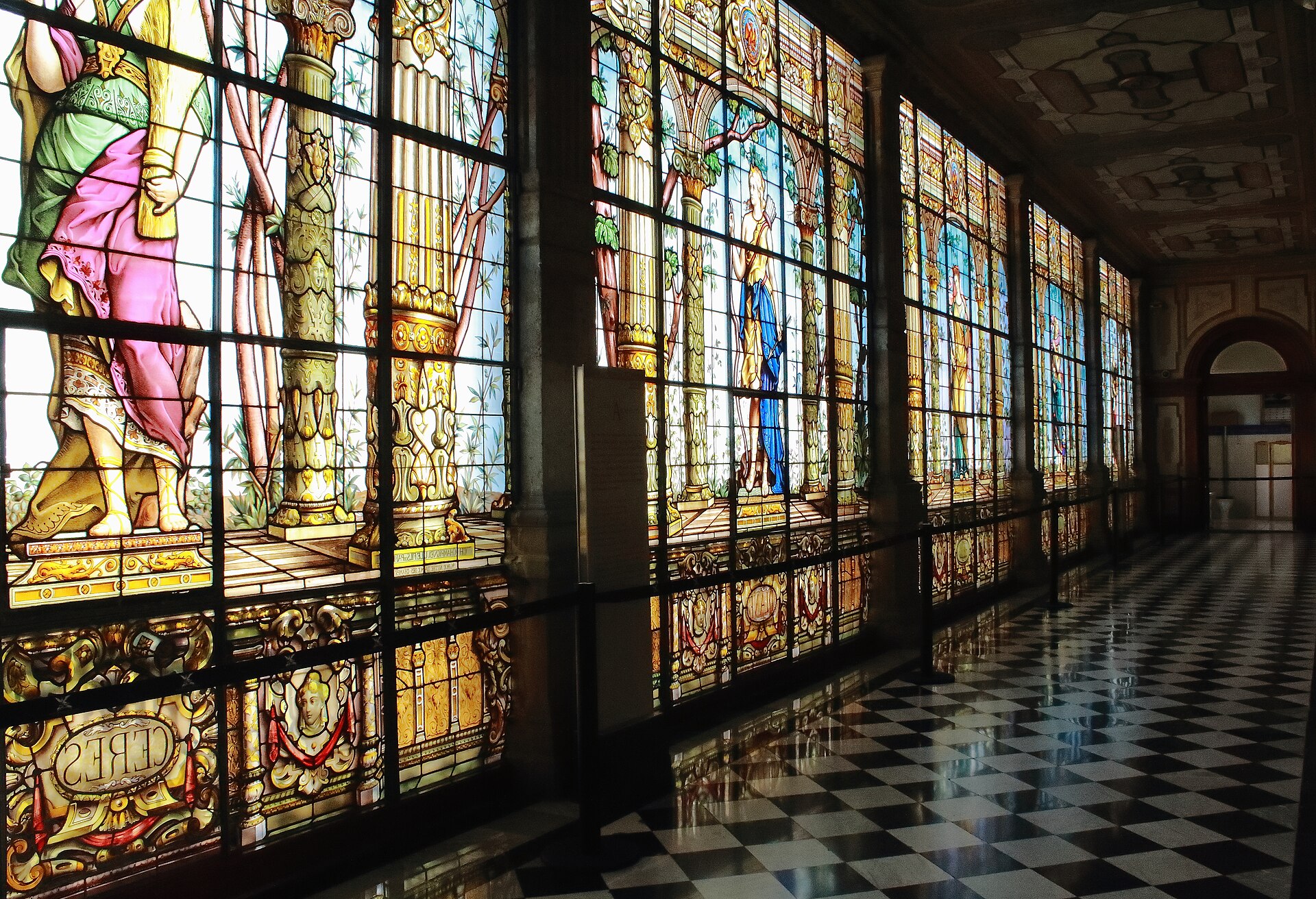
After the empire, the castle spent a few years as an observatory and then became the residence of Mexico’s presidents. Porfirio Díaz, who dominated the country for more than three decades until the Revolution, lived here with his wife Carmen Romero Rubio, and their rooms on the Alcázar’s upper floor, with furniture, paintings and personal objects from those years, show the taste of that era; the glittering stained-glass gallery, the Galería de Emplomados, glazed with panels brought from Paris, dates from the same years. Revolutionary presidents followed him into the same rooms, from Madero and Carranza to Obregón and Calles. It was Lázaro Cárdenas who decided, in 1939, that the castle should belong to the nation as a museum of its history, and the Museo Nacional de Historia opened five years later. Seen in that light, the building’s two halves make sense: the palace upstairs is the residence the presidents gave up, and the museum downstairs is what they put in its place.
What to see: the museum and the Alcázar
The castle has two halves, and it helps to know which you are in. The lower, larger part, the old Colegio Militar, holds the history museum: rooms running from the conquest of Tenochtitlan to the Revolution of 1910, with murals painted between 1933 and 1970. The upper part, the Alcázar, is the palace: the rooms of Maximilian and Carlota on the ground floor and those of Porfirio Díaz and his wife Carmen Romero Rubio on the upper floor, with gardens and terraces around them. INAH puts the collection at more than 100,000 pieces, from paintings, sculpture and furniture to clothing, coins, musical instruments, silver, flags, carriages and documents.
The history halls
The museum’s rooms tell Mexico’s story in order, through objects that range from conquest-era armour and colonial portraits to the flags, uniforms and personal possessions of the figures of independence, the Reform and the Revolution. Look out for the carriages and for the rooms on the 1847 battle. Even if political history is not your thing, the paintings and furniture are worth a slow walk.
How the history halls are organised
The museum’s rooms follow Mexico’s story in order across roughly four centuries, from the conquest of Tenochtitlan to the Revolution. Walk them in sequence and the broad arc is easy to follow: the conquest and the colonial centuries; the war of independence; the turbulent decades after it, with foreign invasions, the Reform and the empire; the long rule of Porfirio Díaz; and finally the Revolution of 1910 and the new constitution that came out of it. The murals, painted between the 1930s and 1970, sit along that route like commentaries on it, which is why it is worth seeing them in order rather than hunting them down one by one. Guided tours are among the services INAH lists; ask at the information module about times and languages.
The murals
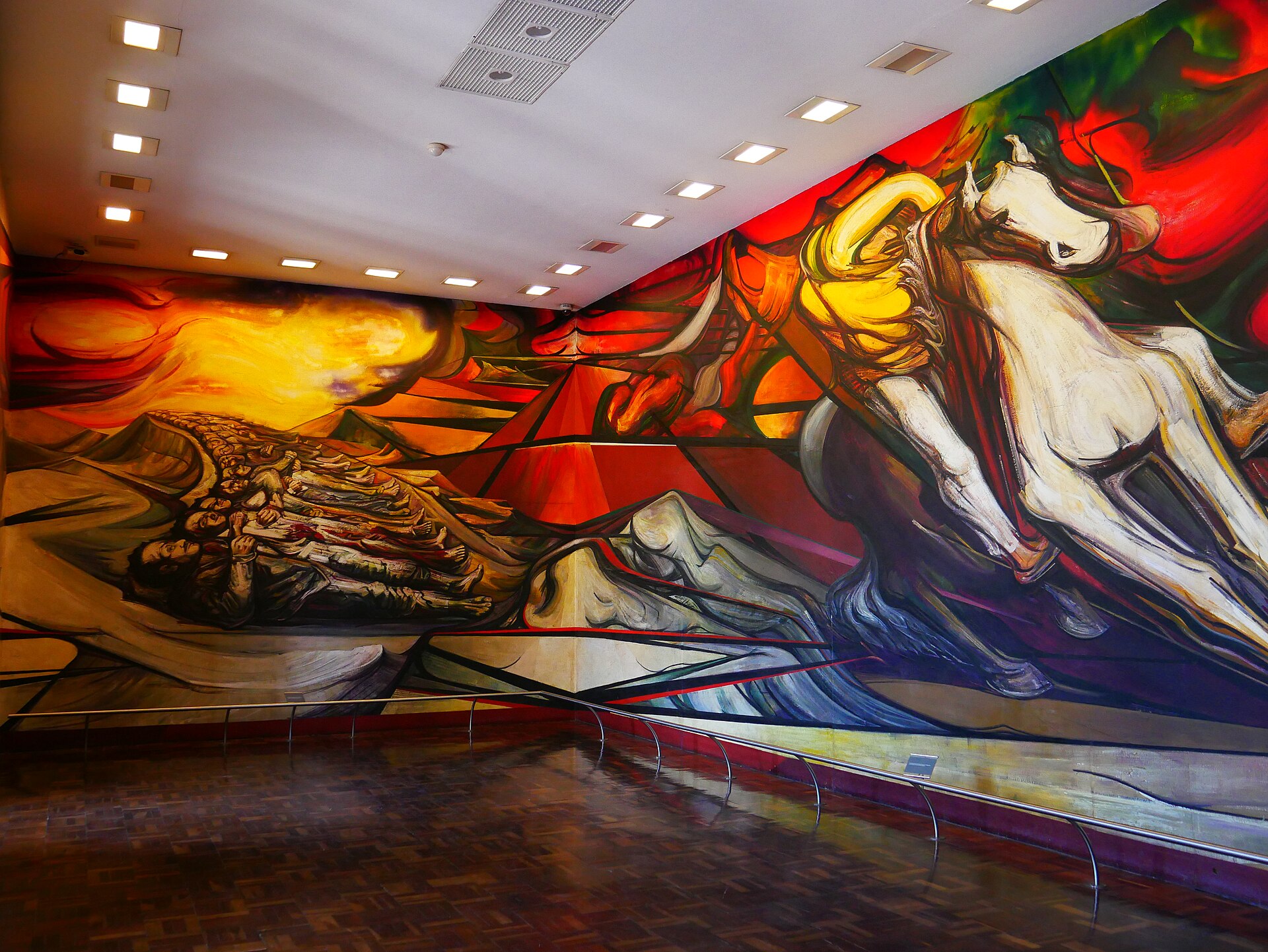
The castle is one of the great mural sites in a city full of them. INAH lists:
- David Alfaro Siqueiros, Del porfirismo a la Revolución, a whole room of crowds, horses and fire.
- Juan O’Gorman, El retablo de la Independencia, El feudalismo porfirista and Sufragio efectivo, no reelección.
- José Clemente Orozco, La Reforma y la caída del Imperio.
- Jorge González Camarena, La fusión de dos culturas and La Constitución de 1917.
If you only have time for one, make it the Siqueiros room, and then compare O’Gorman’s crowded, meticulous Retablo de la Independencia, which repays a few minutes of close looking at the faces.
The Alcázar: the imperial apartments
The rooms of Maximilian and Carlota are the reason many visitors come: furnished salons, dining rooms and bedrooms from the brief, doomed empire of the 1860s, laid out on the Alcázar’s ground floor. Upstairs are the rooms of Porfirio Díaz and Carmen Romero Rubio, from the decades when the castle was the presidential residence. Seen one after the other, they show how the palace changed from a European emperor’s court to a Mexican president’s home.
The stained glass
The stained-glass gallery, the long corridor in the photograph at the top of this page, was glazed with stained-glass panels from Paris on Porfirio Díaz’s orders, and on a sunny morning it throws colour across the chequered floor. Look out too for the stained glass at the Escalera de los Leones, the lion staircase, which guards the way to the garden and dates from around 1915, when President Venustiano Carranza had the staircase remodelled.
The garden and the Caballero Alto
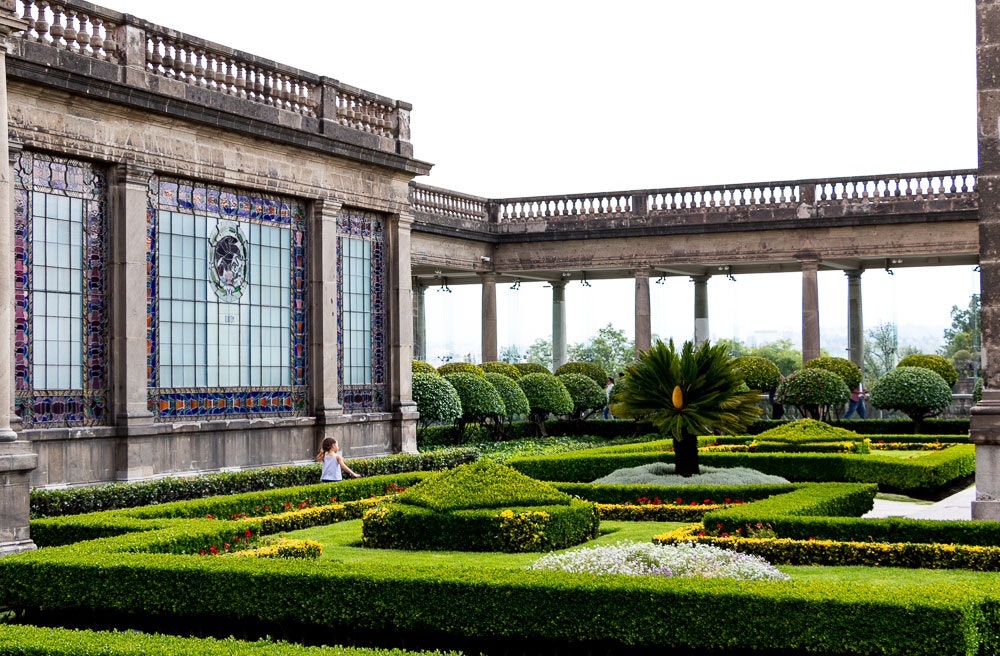
The Alcázar’s formal garden, with its clipped hedges and flower beds, is the place to sit for ten minutes. Above it rises the Caballero Alto, the tower at the castle’s highest point. Come before the midday crowds if you want them to yourself.
The terraces and the view
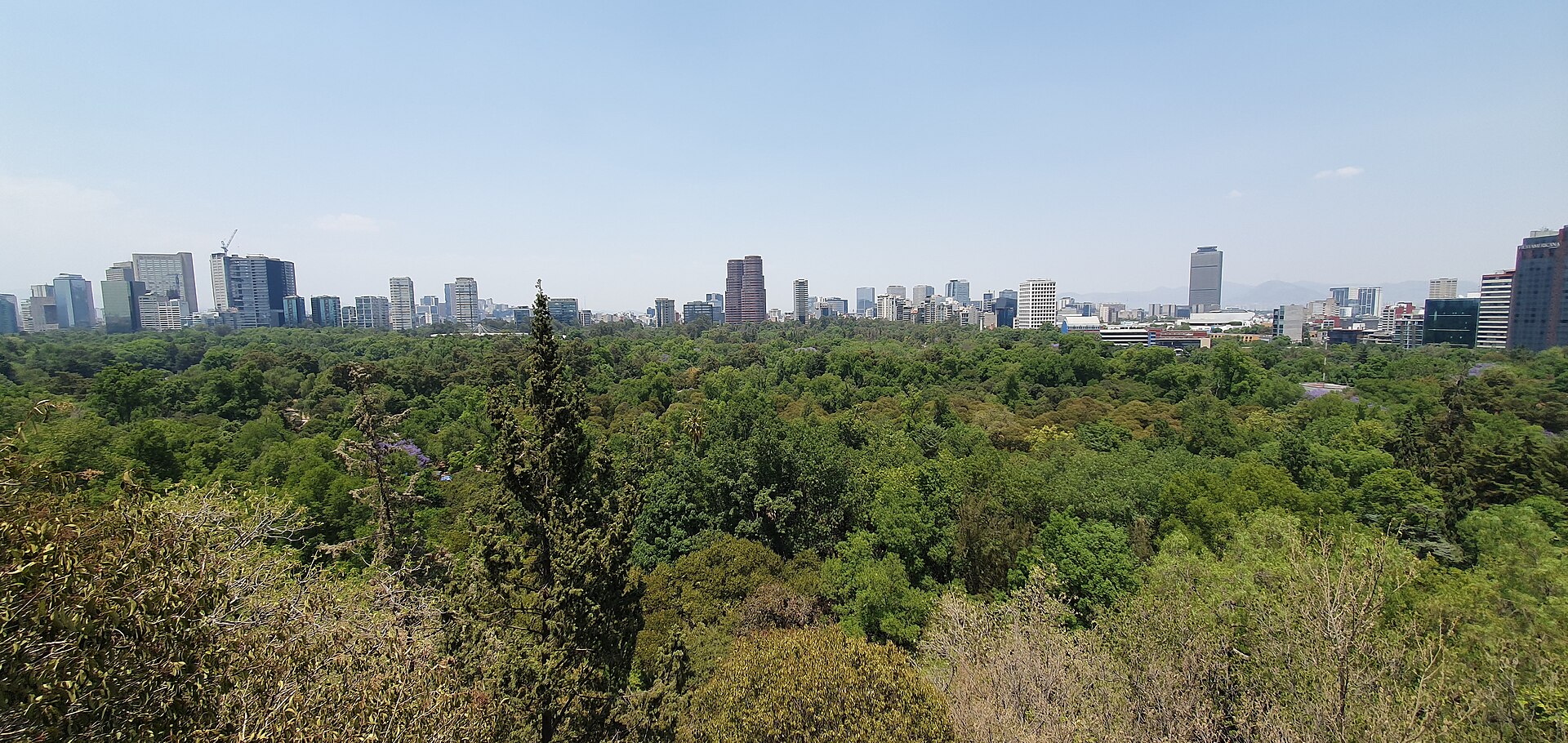
The terraces that wrap the castle look out across the Bosque de Chapultepec, with the forest canopy below and the towers of Polanco and the line of Paseo de la Reforma beyond. On a clear morning in the dry season you see a long way. Do not leave it until the last minutes before closing.
When to go
- A weekday morning is the calmest time, especially the first hour after the 09:00 opening, when the Alcázar and the garden are at their quietest.
- Weekends can be busier, and Sunday in particular, when entry is free for Mexican families. The imperial rooms can feel crowded.
- The dry season, roughly November to April, gives the clearest views from the terraces.
- In the rainy season, roughly May to October, storms tend to arrive in the afternoon. Go in the morning so you are not caught on the open terraces or the hill when the rain comes, and save the Antropología for the afternoon instead.
- Not after 15:00, unless you only want the Alcázar: the museum closes at 17:00 and the walk up takes time.
A timed route
If you have 90 minutes
- Go straight up to the Alcázar: the imperial rooms on the ground floor, then the Díaz rooms upstairs. Thirty-five minutes.
- The stained-glass gallery and the garden. Fifteen minutes.
- The terraces. Ten minutes.
- Down into the museum for the Siqueiros room and one other mural. Thirty minutes.
If you have a morning or an afternoon
- Start in the history museum and walk the rooms in order, from the conquest to the Revolution, with time at each of the murals.
- Climb to the Alcázar for the imperial apartments, the stained glass and the garden.
- Finish on the terraces with the view, and walk down past the Museo del Caracol if there is time before it closes.
A whole Chapultepec day
- 09:00, the Museo Nacional de Antropología, for a full morning.
- Lunch in Polanco or in the park.
- 14:00, the castle, leaving at least two and a half hours before its 17:00 closing.
- Late afternoon, a walk by the lake or a ride on the Cablebús before the first section of the park closes at 18:00.
Our 3 days in Mexico City itinerary builds day two around exactly this pairing.
Getting there, and up the hill
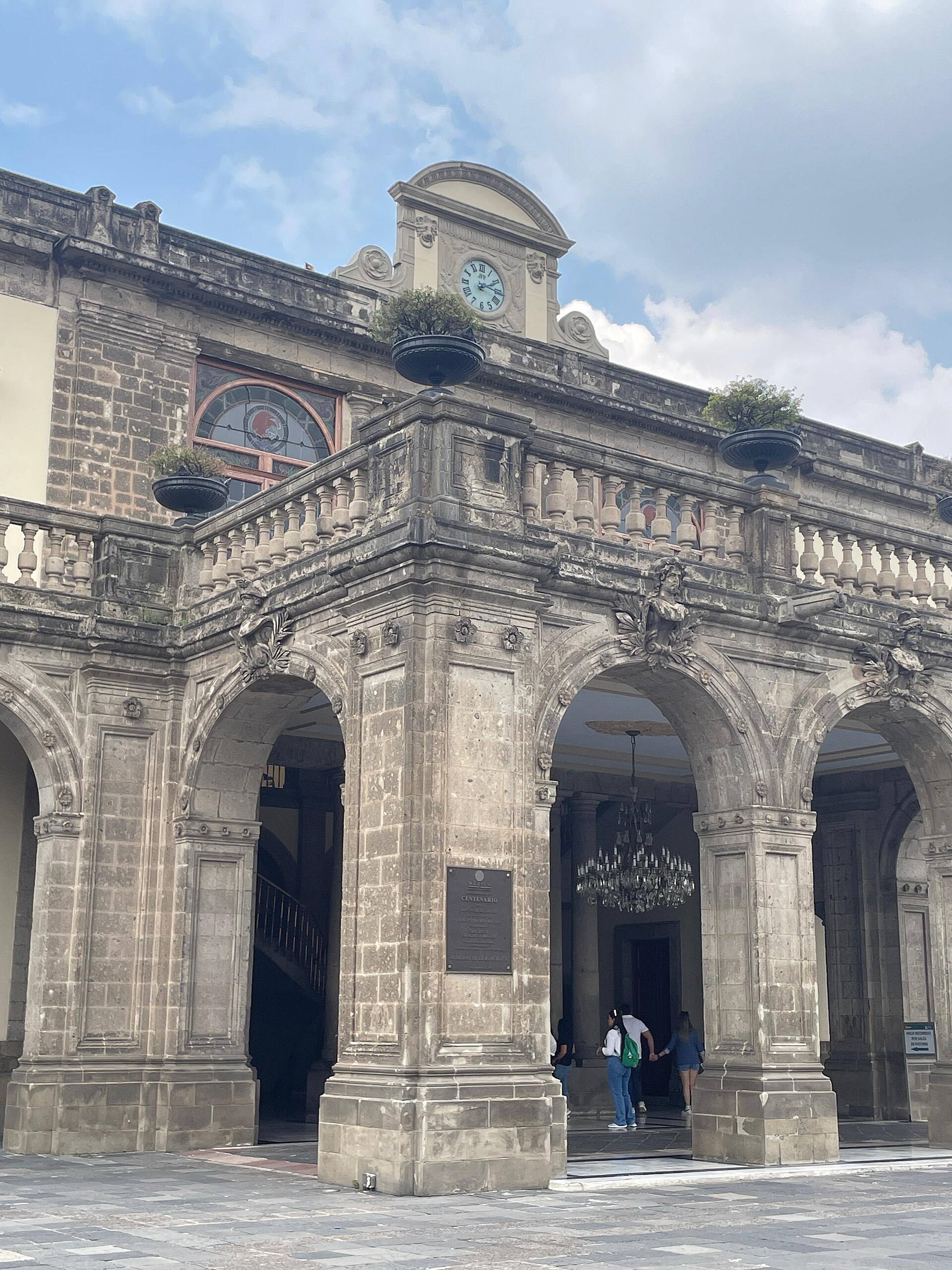
- Metro: INAH names Chapultepec on Line 1 and Auditorio on Line 7 as the nearest stations. From Chapultepec station, walk into the first section of the park.
- App ride: ask to be dropped as close to the park entrance as traffic allows, then walk.
- The climb: the castle stands at the top of the hill and is reached on foot by a long paved ramp that winds up through the trees. At Mexico City’s altitude, take it slowly and carry water.
- On the way up: the Museo del Caracol, INAH’s Galería de Historia, sits on the access ramp; it opens Tuesday to Sunday from 09:00 to 16:15. Near the park entrance at the foot of the hill stands the monument to the Niños Héroes.
- Accessibility: INAH’s list of the castle’s services does not include a lift, and the approach is a long slope. If mobility is a concern, call the museum before you go (INAH lists +52 55 4040 5200) and ask what assistance is available.
Our getting around guide covers the Metro and the alternatives.
The rules at the door
INAH lists these rules for the castle:
- No food inside the museum.
- No pets.
- No smoking.
- No flash photography.
- Professional cameras pay an extra fee. Ask at the entrance if you are carrying anything more than a phone or a small camera.
A cloakroom is listed among the services, along with a library, a bookshop, a shop, an information module, toilets and guided tours. Travel light: you will be walking up a hill and through two floors of rooms.
Visits outside normal hours
INAH’s Spanish-language listing for the castle gives a price of 730 pesos for visits outside the normal opening hours. Ask the museum directly about dates and booking if an evening or out-of-hours visit appeals.
What else is nearby
- Museo Nacional de Antropología. The obvious partner, across Paseo de la Reforma: Tuesday to Sunday, 09:00 to 18:00, 210 pesos for a foreign visitor in 2026. See our Antropología visitor guide.
- Museo del Caracol. INAH’s Galería de Historia, on the ramp up to the castle, tells the story of Mexico from the last years of the viceroyalty to the Constitution of 1917 through art, dioramas and models. Tuesday to Sunday, 09:00 to 16:15.
- Museo de Arte Moderno and Museo Tamayo. Two art museums in the park, each listed in the park’s own 2026 museum guide at 95 pesos, Tuesday to Sunday from 10:00 to 18:00. The Tamayo is free to everyone on Sundays, according to its own website; check both museums’ sites for current exhibitions.
- Cencalli. The house of maize and food culture, in the park, free and open Tuesday to Sunday from 10:00 to 17:00 according to the same guide.
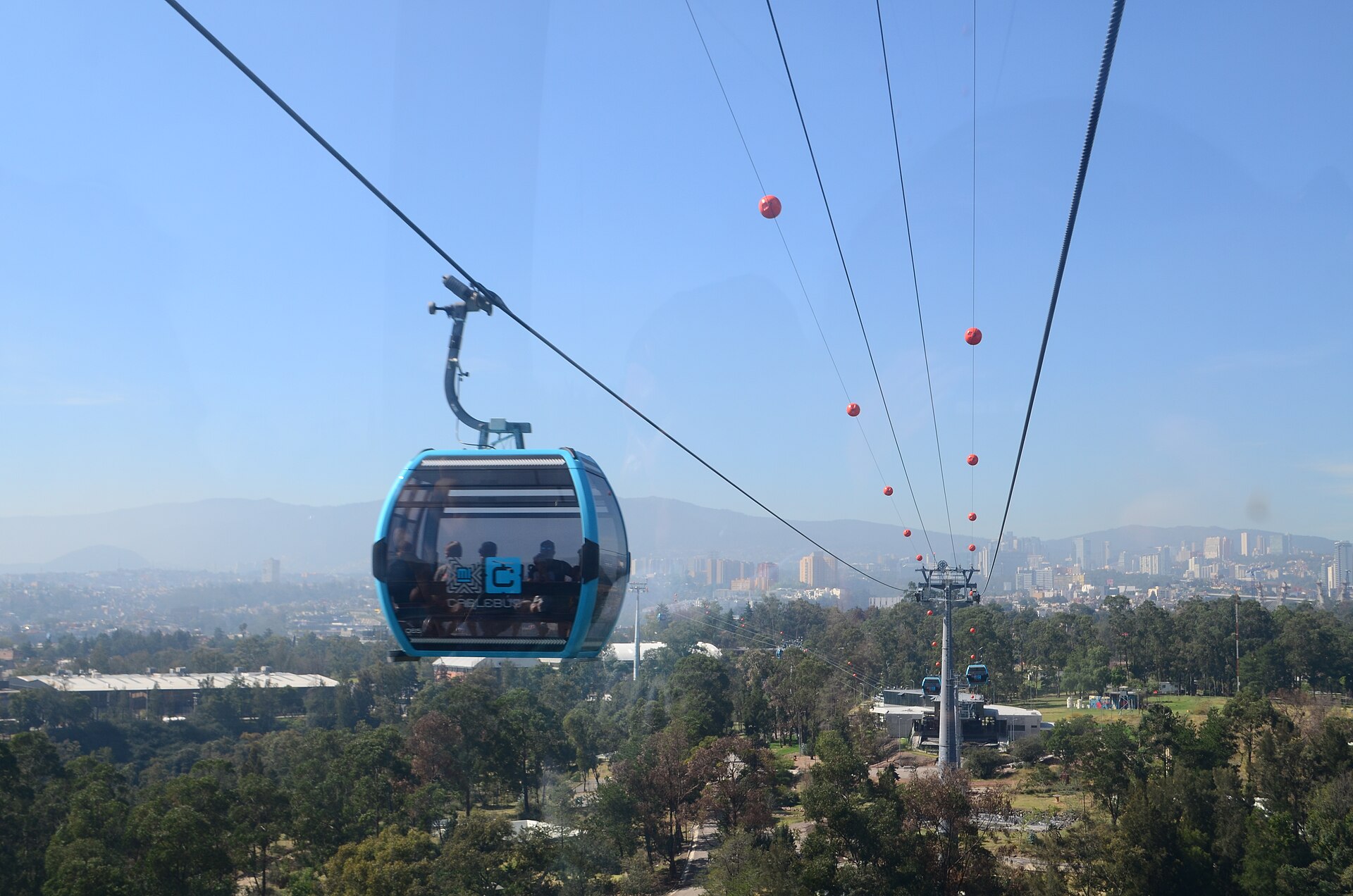
- Cablebús Line 3. The cable car that links the four sections of the Bosque in a ride of about 21 minutes, according to the city’s tourism site, and a good way to see how big the park really is.
- The rest of the park. The lake, the paths and the later sections. Our parks and outdoors guide covers them.
Mistakes to avoid
- Coming on a Monday. The castle and the first section of the park are both closed.
- Assuming Sunday is free. Not for visitors on a tourist permit.
- Arriving after 15:00. The castle closes at 17:00, and the walk up takes a while.
- Doing the Antropología last. If you are pairing them, remember the castle closes an hour earlier.
- Underestimating the hill. Wear proper shoes, bring water and take the ramp slowly at altitude.
- Skipping the murals. The imperial rooms draw the crowds, but the Siqueiros, O’Gorman and Orozco works are reason enough to come.
- Bringing a picnic in. Food stays outside; eat in the park or in Polanco.
Frequently asked questions
How much are Chapultepec Castle tickets in 2026?
210 pesos for a foreign visitor and 105 for Mexican nationals, according to INAH’s listing for the Museo Nacional de Historia. Children under 13 enter free, and so do Mexican students, teachers and senior citizens with credentials. INAH’s English-language listing limits the children’s concession to Mexicans, so carry proof of age and ask.
Is Chapultepec Castle free on Sundays?
For Mexican nationals, and under INAH’s rules for foreign residents with proof. A visitor on a tourist permit pays 210 pesos on Sunday like any other day.
What days is Chapultepec Castle closed?
Mondays. It opens Tuesday to Sunday from 09:00 to 17:00. The first section of the Bosque de Chapultepec, where it stands, also closes on Mondays.
Do I need to book Chapultepec Castle in advance?
No. There is no timed entry. You can buy at the castle or through the “Comprar boletos” link on its INAH listing, which can save queuing on a busy day.
How long do I need at Chapultepec Castle?
Two to three hours inside, plus the walk up the hill. Ninety minutes is enough for the Alcázar, the stained glass, the terraces and one or two murals.
Is there a lift or another way up the hill?
The castle is reached on foot by a long paved ramp, and INAH’s list of services does not include a lift. Anyone with limited mobility should call the museum before visiting to ask what help is available.
Can I visit Chapultepec Castle and the Anthropology Museum on the same day?
Yes, and it is the classic pairing. Do the Antropología in the morning and the castle after lunch, leaving at least two and a half hours before the castle’s 17:00 closing.
Who lived in Chapultepec Castle?
Emperor Maximilian and Empress Carlota in the 1860s, and later a line of presidents from Porfirio Díaz to Abelardo Rodríguez. Before that it was the home of the military academy, and it began as a viceroy’s country house in the 1780s.
Can I take photographs inside the castle?
Yes, without flash. INAH charges an extra fee for professional cameras, so ask at the entrance if you are carrying anything more than a phone or a small camera.
Can I eat inside the castle?
No. Food is not allowed in the museum, so eat before you climb the hill or afterwards in the park or in Polanco.
The castle stands on a hill about 45 metres above the city, and at Mexico City’s altitude the walk up can leave you breathless if you have only just arrived. Our guide to altitude in Mexico City explains why, and how to plan your first couple of days around it.
Related Mexico City Guides
- The best museums in Mexico City, and how to plan around the Monday closures.
- National Museum of Anthropology visitor guide, the castle’s neighbour across Reforma.
- Parks and outdoors, including the Bosque de Chapultepec.
- Mexico City itineraries, with Chapultepec on day two.
- Mexico City with kids.
- Getting around and costs.
Sources and verification
Prices, hours, rules and history were checked in November 2026 against official sources:
- INAH places directory, Museo Nacional de Historia, Castillo de Chapultepec: hours, prices, rules, services, address and nearest Metro stations. lugares.inah.gob.mx
- INAH places directory, the castle’s history, collection, murals, the Alcázar and the stained glass, and the price for visits outside normal hours. lugares.inah.gob.mx
- INAH, Boletín No. 6 of 6 January 2026: the 2026 tariff rules and the Sunday rule at INAH museums. inah.gob.mx
- INAH, Galería de Historia, Museo del Caracol: hours. lugares.inah.gob.mx
- Mexico City’s official tourism site, Bosque de Chapultepec: park hours, the Monday closure of the first section and Cablebús Line 3. mexicocity.cdmx.gob.mx
- Bosque de Chapultepec, guide to the park’s museums (May 2026): hours and prices for the Museo de Arte Moderno, the Museo Tamayo and Cencalli. chapultepec.org.mx
- The Paris stained glass of the Galería de Emplomados, installed on Porfirio Díaz’s orders. Wikipedia (Spanish), Castillo de Chapultepec
- Museo Tamayo, visitor information: Sunday free entry. museotamayo.org
- The 1940 move of the history collections to the castle. Wikipedia (Spanish)
INAH announces tariff changes and holiday closures separately. Check the castle’s INAH listing before you go.
Photo Credits
The stained-glass gallery: Vitrales Castillo de Chapultepec by Andy García García, CC BY-SA 4.0, via Wikimedia Commons.
Siqueiros’s mural: Mural ‘Del Porfirismo a la Revolución’ de David Alfaro Siqueiros en el Castillo de Chapultepec 01 by Luisalvaz, CC BY-SA 4.0, via Wikimedia Commons.
The Alcázar garden: Castillo Chapultepec (258076457) by Raúl Ponce, CC BY 3.0, via Wikimedia Commons.
The view north from the castle: photo by José Luiz, CC BY-SA 4.0, via Wikimedia Commons.
The castle entrance: Castillo de Chapultepec exterior by PlanoAbierto, CC BY 4.0, via Wikimedia Commons.
Cablebús Line 3 cabin: Cabina del cablebús línea 3 by Brome 2021, CC BY-SA 4.0, via Wikimedia Commons.