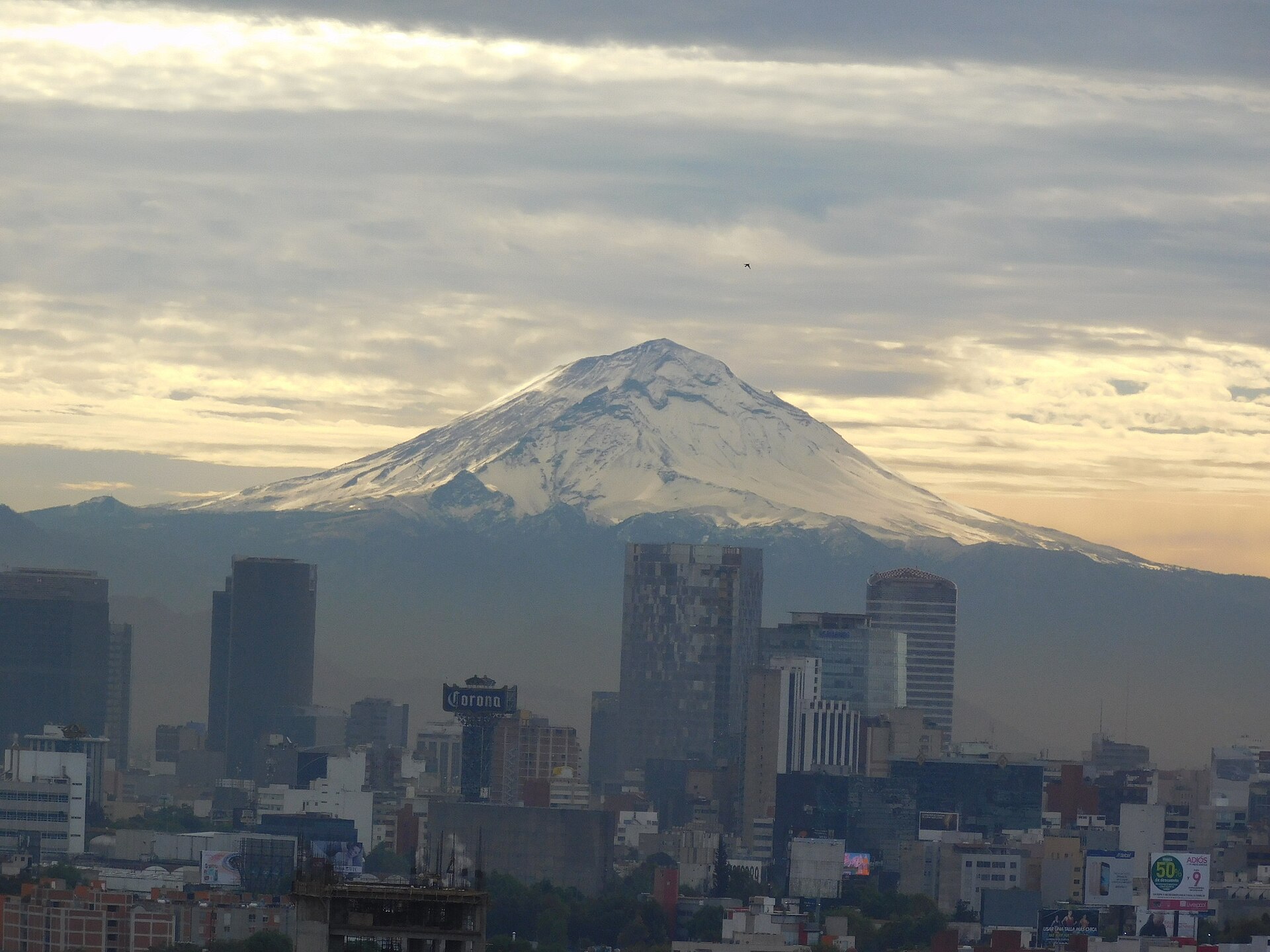
The first thing most visitors notice about Mexico City’s altitude isn’t a headache. It’s the stairs: the long flights out of a deep Metro station, the walk up the hill to Chapultepec Castle, the third floor of a walk-up apartment, and the slightly surprised feeling of being out of breath on all of them. That is the city’s 2,240 metres making itself known, and for most people it is the whole story. Mexico City altitude sickness, in the medical sense, is less common than travellers’ forums suggest, because the city sits below the altitude at which the CDC and UK travel-health guidance say the risk of illness really starts to climb. Below isn’t the same as never, though, and the volcanoes on the horizon, which draw day-trippers, go far higher. This guide sets out what the altitude does, what the health authorities say about it, who should take it more seriously, how to spend your first two days, and what to do if you feel unwell.
For the city’s other risks, from pickpockets to taxis, see our Mexico City safety guide. Nothing here is medical advice. If you have a heart or lung condition, are pregnant, or have had altitude illness before, talk to your own doctor before you travel.
The short answer
- How high: 2,240 metres, roughly 7,350 feet. Air pressure there is about three-quarters of sea level, so each breath carries roughly a quarter less oxygen.
- What most people feel: breathlessness on stairs and hills, a faster heartbeat, sometimes a mild headache or a restless first night. It usually passes within a day or two.
- The official thresholds: the US Centers for Disease Control and Prevention (CDC) puts the main risk of altitude illness at sleeping altitudes of about 2,450 metres and above, “and sometimes lower”. The UK’s travel-health service says illness usually occurs above 2,500 metres. Mexico City is just under both.
- Medication: for travellers with no history of altitude illness, the CDC classes a trip like this as low risk and does not indicate preventive medicine. Ask your own doctor if you have a history of altitude illness or a relevant condition.
- The first 48 hours: go easy on alcohol and hard exercise, drink regularly, and save the big days out for later in the trip.
- Day trips: the volcano trips go much higher. Paso de Cortés is at about 3,700 metres. The Nevado de Toluca, whose crater lakes sit at about 4,200 metres, closed to visitors in August 2025 after a tourist van overturned, with a reopening planned for the 2026–27 winter season; check CONANP’s notices for its current status.
- Warning signs: breathlessness at rest, a persistent cough, confusion or loss of coordination mean get medical help now. Call 911.
What the altitude means, at a glance
| Situation | What to expect | What to do |
|---|---|---|
| Walking around the city | Fine for most people; you’ll tire sooner than at home | Pace yourself on hills and stairs |
| Metro stairs, castle hill, walk-ups | Breathlessness, a pounding heart | Stop on the landing; it passes in a minute |
| First night | Some people sleep lightly or wake often | Go easy on alcohol; it usually improves |
| Mild headache, tiredness, poor appetite | The common mild form; usually settles in one to three days | Rest, drink regularly, don’t go higher |
| Running or a hard workout | Noticeably harder than at sea level | Skip hard exercise for the first two days |
| A day trip to Teotihuacán | Same high valley, long walks, strong sun | Water, a hat and a steady pace |
| A volcano day trip | Much higher; real altitude-illness risk | Check access first; don’t go in your first days |
| Breathless at rest, cough, confusion | Warning signs of serious illness | Get medical help now; call 911 |
What 2,240 metres actually does
The air in Mexico City contains the same proportion of oxygen as the air at sea level. What changes is the pressure. NASA’s standard model of the atmosphere puts air pressure at 2,240 metres at about 77 kilopascals, roughly three-quarters of the sea-level figure, so every breath you take carries roughly a quarter less oxygen than it would on a beach. Your body notices at once and starts adjusting: you breathe a little faster and deeper, and your heart beats a little faster, especially when you’re moving.
That is why the stairs feel steep. Climbing raises your demand for oxygen just as the supply per breath has dropped, and the gap shows up as breathlessness and a thumping heart. It isn’t a symptom of illness. It’s the normal response, and it eases as your body adjusts over the first days.
Sleep is the other place people notice it. At higher altitudes, a stop-start breathing pattern during sleep becomes almost universal; the CDC puts that at above about 2,700 metres. At Mexico City’s height most people sleep normally, but some report a lighter, more broken first night or two. Alcohol doesn’t help, which is one reason the health authorities suggest going easy on it at first.
Two more effects are worth knowing. The sun is stronger: the World Health Organization says ultraviolet radiation rises by about 10 per cent for every 1,000 metres of altitude, so at 2,240 metres you can expect a little over a fifth more than at sea level. And because the first days can leave you tired, it’s easy to drink less than you need while you’re busy sightseeing. Neither is dramatic. Both are easy to manage once you know.
What the health authorities say
Different authorities draw the line in slightly different places, and it helps to see them side by side.
| Source | What it says |
|---|---|
| US CDC, Yellow Book (2026 edition) | Unacclimatised travellers sleeping at 2,450 metres (8,000 feet) or higher, “and sometimes lower”, are at risk. A trip with no prior history of altitude illness, starting below 1,200 metres and sleeping below 2,750 metres on the first night, is low risk, with no preventive medicine indicated. |
| UK National Travel Health Network and Centre (TravelHealthPro) | Altitude illness usually occurs above 2,500 metres. Going no higher than 2,800 metres with no previous history counts as low risk. Between 9 and 25 per cent of unacclimatised people reaching 2,000 to 3,000 metres develop the mild form; the dangerous forms are extremely rare below 2,800 metres. |
| Government of Canada | Defines “high altitude” as 2,000 to 3,500 metres and names Mexico City as an example. Advises avoiding alcohol, sedatives and over-exertion for the first 48 hours. |
| Mexico City’s tourism portal | Gives the city’s altitude as 2,240 metres, says altitude sickness usually occurs above 1,500 metres (though many visitors have no symptoms), describes milder, later-starting symptoms than at 3,000 metres and above, and suggests extra water and avoiding alcohol and smoking. |
Read together, they say the same thing in different words. Mexico City is high enough that some visitors feel it, and a minority get the mild form of altitude sickness. It is not high enough for the serious forms, which the UK service calls extremely rare below 2,800 metres, to be a realistic worry for a healthy visitor who stays in the city. The UK figure is the useful reality check: between roughly one in ten and one in four people going to that altitude band without acclimatising get some symptoms, so a headache on your first evening is not unusual, and not alarming either.
Symptoms, timing and what is normal
The mild form, acute mountain sickness, feels a lot like a hangover: a headache, often with tiredness, poor appetite or nausea, dizziness and broken sleep. According to the CDC, it usually starts two to twelve hours after arrival, often on the first night, and settles on its own over one to three days if you don’t go higher. Canada’s guidance is similar: symptoms can begin hours to days after you arrive, and mild ones improve within a few days.
Some things are normal at this altitude and don’t need any action beyond patience: breathlessness on exertion that settles when you stop, a faster heartbeat when climbing, and feeling tired by the end of a long day.
Some things are not normal, and the health authorities are clear about them. The CDC and the Government of Canada describe the warning signs of the two serious forms of altitude illness:
- Breathlessness at rest, or breathlessness on exertion that keeps getting worse, a persistent cough, or blue lips: possible fluid on the lungs (high-altitude pulmonary oedema, HAPE).
- Confusion, loss of coordination (stumbling, being unable to walk in a straight line) or unusual drowsiness: possible swelling of the brain (high-altitude cerebral oedema, HACE).
- Symptoms that get worse at rest instead of better.
These forms are extremely rare at Mexico City’s height, but they are emergencies wherever they happen. If you or someone with you has any of these signs, get medical help immediately and call 911. They are more relevant on the volcano day trips covered below, where the altitude is much higher.
Who is affected, and how
Most of the variation between people is unpredictable. A few patterns are known.
Most healthy adults
Expect to notice the stairs and perhaps a mild headache or a restless first night. Plan an easy first day and you will probably feel normal by the second or third.
The very fit
Fitness doesn’t protect you. The CDC says physical fitness does not affect the risk of altitude illness. Fit people tend to push harder on day one. If you run, keep your first outings short and easy.
Older travellers
Age on its own isn’t a reason to worry. The CDC notes that people over 50 have a slightly lower risk of the mild form than younger adults. What matters more is any heart or lung condition, which is the next point.
People with heart or lung conditions, or anaemia
This is the group that should take the altitude seriously before departure. The Government of Canada advises seeing a health care provider about six weeks before travelling, especially with heart or lung disease or anaemia. The CDC says pre-existing heart and lung disease should be stable before travel to altitude, with a plan for what to do if symptoms worsen. Ask your doctor specifically about 2,240 metres, and about any day trips higher up.
Pregnancy
The CDC suggests pregnant travellers may prudently avoid sleeping above 3,050 metres; Mexico City is well below that. Talk to your own doctor or midwife, especially about any day trips to the volcanoes, and pace yourself in the city.
Children
According to the CDC, children are as susceptible to altitude illness as adults. Small children can’t always say what’s wrong, so watch for unusual fussiness, loss of appetite, poor sleep or unusual tiredness in the first days, and keep the first day gentle. Our guide to Mexico City with kids has ideas for easy family days.
People who’ve had altitude sickness before
A previous episode is the best single predictor you have. The CDC’s low-risk category assumes no prior history, or only mild symptoms. If you’ve had altitude illness before, especially more than mild symptoms, talk to your doctor before the trip.
Short business trips
If you’re flying in for a two-day meeting, schedule the important things for the afternoon of your second day if you can, sleep well, and keep the welcome dinner light on alcohol. A conference at 2,240 metres the morning after a long-haul flight is harder than it would be at home.
Your first 48 hours
Every authority above says roughly the same thing about the start of a trip: go easy for two days and most people barely notice the altitude after that. In practice:
- Day one, keep it flat and short. A gentle walk through Roma or Condesa, a museum, a long lunch. Leave the Teotihuacán day, any hikes and the volcano trips for later.
- Go easy on alcohol. The CDC and the Government of Canada both advise avoiding it, or keeping it light, for the first 48 hours. It makes broken sleep worse and can mask symptoms.
- Skip hard exercise. The CDC also advises against heavy exercise in the first 48 hours. Your run can wait until day three.
- Drink regularly. Canada advises drinking more fluids; carry a bottle of purified water, not tap water (see our guide to drinking water in Mexico City).
- Avoid sedatives. Canada also advises against sleeping pills and other sedatives in the first 48 hours. Ask a doctor if you take them regularly.
- Eat normally, even if your appetite is down.
- Take stairs and hills slowly. Stopping on a landing is not a sign that anything is wrong.
Our three-day itinerary and the other Mexico City itineraries are built with an easy start in mind.
A gentle first three days
Put together, the advice suggests an order for the start of a trip that costs you almost nothing in sightseeing. One version:
Day one: flat, short and an early night
Drop your bags and walk the tree-lined streets of Roma or Condesa, where the ground is flat and there are plenty of places to stop for coffee. Have a long lunch, keep the evening drinks light and get an early night. If you land in the morning, an hour in a park is a better use of the afternoon than a museum marathon.
Day two: a museum at your own pace
A museum day suits the altitude: plenty of walking, but on the flat and at your own speed. The National Museum of Anthropology in Chapultepec opens Tuesday to Sunday, 09:00 to 18:00. If your second day is a Monday, when most of the city’s museums close, swap it for a market or a park. Chapultepec Castle, at the top of its hill and open Tuesday to Sunday until 17:00, can wait for the next day if the climb feels hard.
Day three: the big days begin
From day three, most people are ready for the long days out. Teotihuacán opens daily from 08:00 to 17:00 and means hours of walking in strong sun, so take water and a hat. A hike in the hills on the city’s edge is another good day-three choice. Keep any volcano trip for later still, and check access first.
Day trips that go higher, and lower
The city sits in a high valley ringed by mountains and volcanoes, and some of the best day trips go a long way up. The CDC notes that day trips to higher ground are much less stressful than sleeping there, because you come back down to sleep, but the altitude on the day is real.
| Trip | Altitude compared with the city | What to know |
|---|---|---|
| Teotihuacán | In the same high valley | Long walks in strong sun; the pyramids can’t be climbed. Water, hat, steady pace. |
| Desierto de los Leones and the Ajusco | Higher, in the forested mountains on the city’s western and southern edges | Trails climb well above the valley. Wait a few days; turn back if you feel unwell. |
| Paso de Cortés, between Popocatépetl and Iztaccíhuatl | About 3,700 metres | Popocatépetl is on volcanic alert; check access first. |
| Nevado de Toluca | Crater lakes about 4,200 metres; summit about 4,680 metres | Closed to visitors in August 2025; a reopening has been planned for winter 2026–27, so check CONANP’s current notices. |
| Cuernavaca and the state of Morelos | Lower than the city | A warmer, easier day out if the altitude is bothering you. |
Paso de Cortés and the volcanoes
Paso de Cortés, the high pass between Popocatépetl and Iztaccíhuatl in the Izta-Popo national park, sits at about 3,700 metres, some 1,500 metres higher than the city. That is well into the altitude band where acute mountain sickness becomes common, so go only once you have had a few days in the city, take a slow pace, and turn back if you develop symptoms.
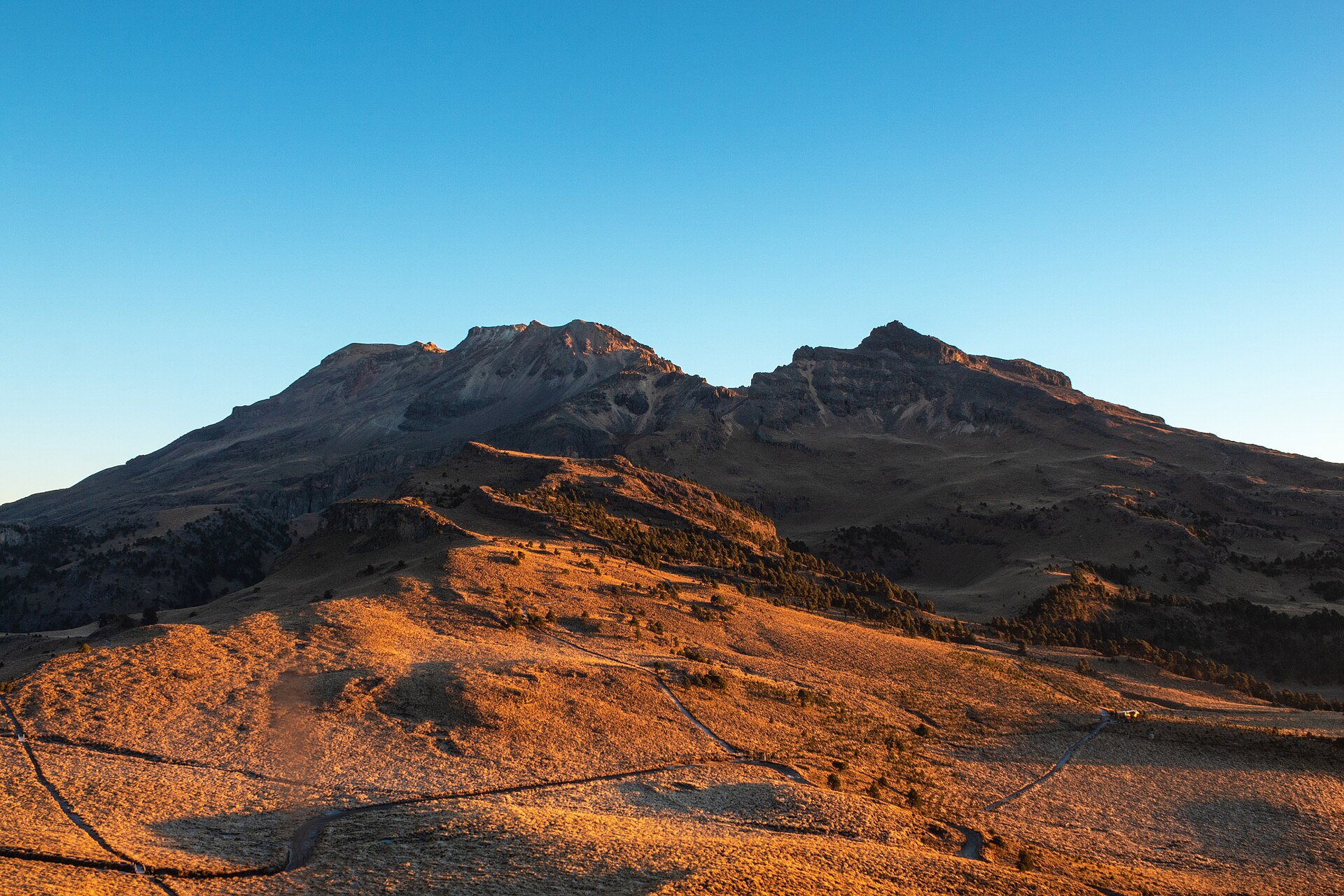
Check the volcano before anything else. On 22 November 2026, Mexico’s national disaster prevention centre, CENAPRED, kept Popocatépetl’s volcanic alert at Amarillo Fase 2 (yellow, phase two). It urged people not to approach the volcano, and above all its crater, because of falling incandescent fragments, and to respect a 12-kilometre exclusion zone around the crater. CENAPRED publishes a report every day; read the latest one, and check with the national park, before you set out.
The Nevado de Toluca
The volcano near Toluca, with its two crater lakes, the Laguna del Sol and the Laguna de la Luna, was long a popular high-altitude day trip from the city. Its crater sits at about 4,200 metres, and its summit, at about 4,680 metres, is more than twice the city’s altitude. It was closed to the public after a tourist van overturned in August 2025. In late October 2026, the regional director of CONANP, Mexico’s protected-areas commission, said a new visitor plan with capacity limits for each area was being prepared for the 2026–27 winter season. Check CONANP’s current notices before you plan a trip, and treat any tour sold before the reopening is announced with suspicion.
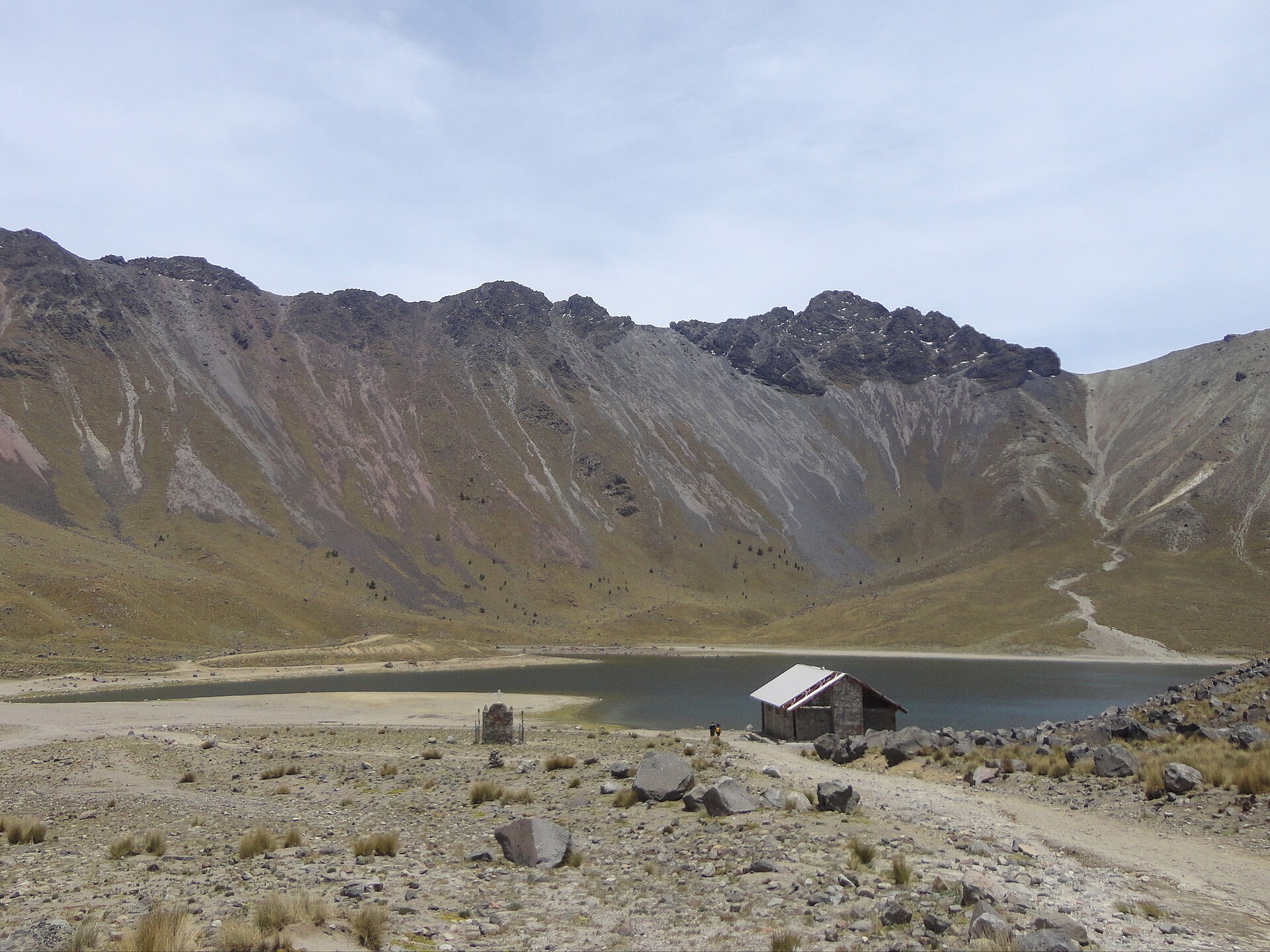
If it does reopen, the same advice applies as for Paso de Cortés, only more so: not in your first days, a slow pace on the crater rim, warm layers, and turn back at the first sign of a worsening headache or breathlessness.
The mountains on the city’s edge
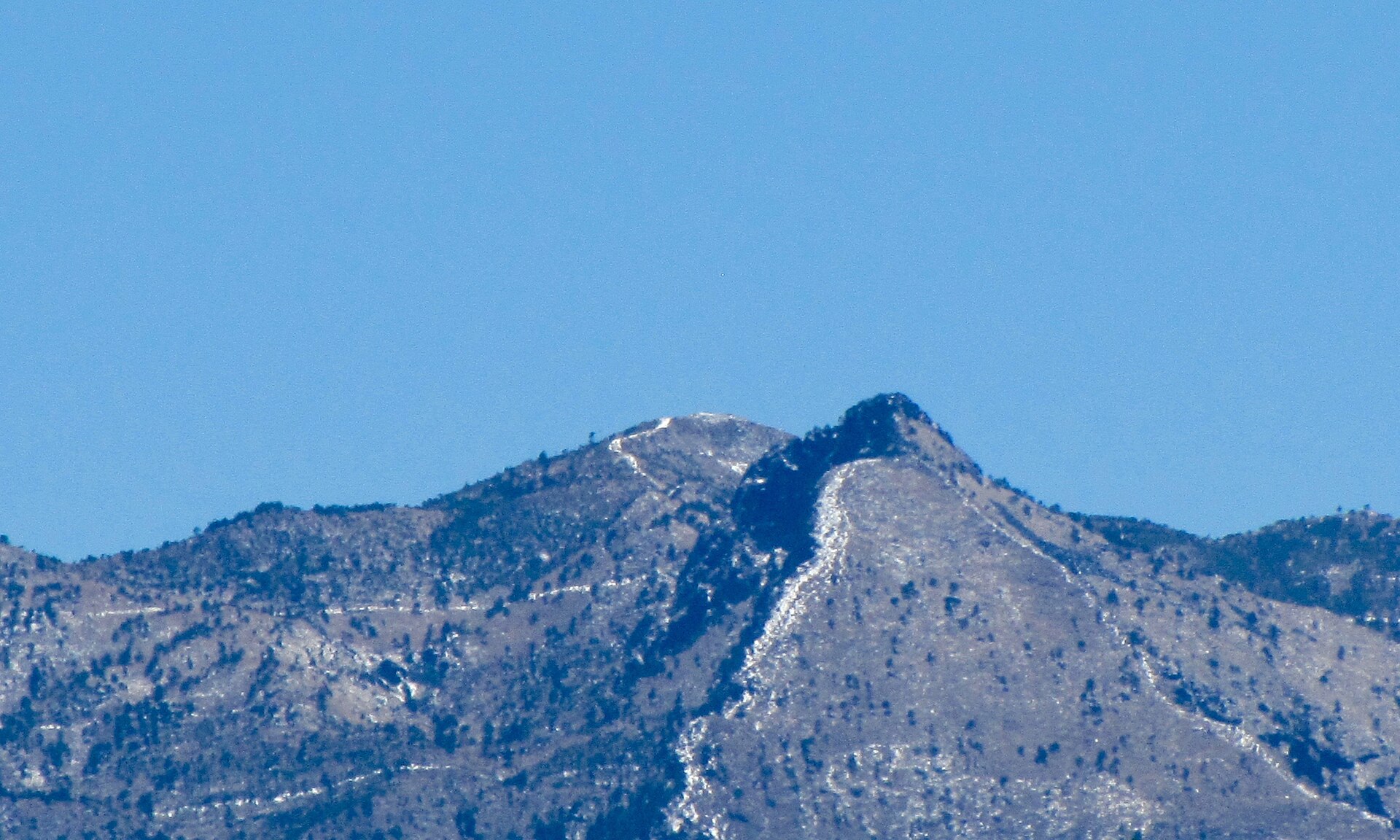
The Desierto de los Leones, a forested national park on the city’s western edge, and the Ajusco, the volcanic massif to the south, are where city residents go to walk among pine forests. Both climb well above the valley floor. They are good options from your third or fourth day, and our guide to parks and the outdoors has more on both.
For trips out of the city in general, see our day trips guide, and for Teotihuacán, our guide to getting to Teotihuacán by bus.
Medicines: what to know before you ask
This is where this page stops and your doctor starts. A few facts help you ask the right questions.
- Preventive medicine is not usually needed for Mexico City. For travellers with no history of altitude illness arriving from low altitude, the CDC’s low-risk category covers a first night below 2,750 metres, and it says preventive medicine (acetazolamide, a prescription drug) is not indicated for low-risk travel. The UK’s TravelHealthPro says preventive medicines are not necessary for low-risk travellers.
- If you’re going much higher, or you have a history of altitude illness, that changes, and the decision belongs with a doctor who knows your health.
- For headaches, the CDC suggests low-risk travellers carry ordinary over-the-counter painkillers. Ask a pharmacist which suits you, especially if you take other medicines.
- Sedatives and sleeping pills: Canada advises avoiding them in the first 48 hours at altitude. If you take them regularly, ask your doctor before you travel.
- Don’t self-prescribe. Take a prescription medicine only on a doctor’s advice, wherever you buy it.
Sun, air and the other things altitude changes
Two things often blamed on altitude are partly something else.
The sun. With ultraviolet radiation rising by about 10 per cent per 1,000 metres, according to the WHO, sunburn comes faster here than many visitors expect, even on a mild, hazy day. Use sunscreen, wear a hat on long days outdoors such as Teotihuacán, and remember that the volcano trips are higher still.
The air. The valley can trap pollution, and on some days air quality is poor. Headaches and a scratchy throat on those days may be the air rather than the altitude. The city’s official air-quality site, aire.cdmx.gob.mx, publishes an air-and-health index with a risk level, the pollutants behind it and recommendations, along with UV advice. If the city declares an environmental contingency (contingencia ambiental), follow the advice published with it, and if you have asthma or another lung condition, check the index each morning.
If you feel unwell
Most altitude symptoms in Mexico City are mild and pass on their own. What matters is knowing which way they’re heading.
Mild symptoms
Rest, drink regularly, eat lightly, skip alcohol and don’t go any higher until you feel better. The CDC says the mild form improves with time, and that going down even 300 metres helps. A pharmacist can advise on a painkiller for a headache. If you’re no better after a couple of days, or you’re getting worse, see a doctor.
Getting worse, or warning signs
Breathlessness at rest, a cough that won’t stop, confusion, stumbling or unusual drowsiness need medical help immediately. Call 911, the national emergency number. On a volcano trip, the first step is to go down, with someone, straight away.
Where to get help
- Emergencies: 911, for ambulance, police and fire anywhere in Mexico.
- Locatel on 55 5658 1111, Mexico City’s public information and help line. The city’s tourism portal says you can press 6 for English.
- Pharmacy consulting rooms. Many pharmacies have a doctor’s consulting room (consultorio) attached, which is often the quickest way to see a doctor for something minor.
- Private hospitals. Your travel insurer’s assistance line can direct you to a hospital it works with. The US Embassy publishes medical resources through its Resource Navigator, and other embassies keep similar lists.
Check your travel insurance covers medical treatment and evacuation. The Government of Canada points out that its consular staff cannot pay medical bills or evacuation costs.
What to sort out before you go
- See your doctor if you have a heart or lung condition, anaemia, a history of altitude illness or are pregnant. Canada suggests about six weeks before travel.
- Plan an easy first day and put the big days, Teotihuacán and any hikes, from day three onwards.
- Check volcano access close to the date: CENAPRED’s daily Popocatépetl report and the national park’s notices for Paso de Cortés, CONANP for the Nevado de Toluca.
- Bookmark the air-quality site, especially if you have asthma.
- Pack sunscreen, a hat and a refillable bottle.
- Check your insurance covers medical treatment and evacuation.
The fallback is simple. If the altitude is bothering you, slow down, rest and drink. If it’s getting worse, see a doctor. And if you have one of the warning signs, get help immediately.
What no source can promise you
- The thresholds differ. The CDC, the UK, Canada and the city’s own portal draw the line at different altitudes. That reflects different ways of describing the same gradual risk, not disagreement about Mexico City.
- Individuals vary. Nobody can predict how any one person will react. Fitness doesn’t help, and age makes little difference. Your own history at altitude is the best guide you have.
- Conditions change. Volcano alerts, park closures and air quality all change, some of them daily. Check the official sources close to the day.
- This page isn’t medical advice. It is a summary of what the public health authorities publish, to help you plan and to ask your doctor the right questions.
Frequently asked questions
How high is Mexico City?
About 2,240 metres, or roughly 7,350 feet, above sea level. Air pressure there is about three-quarters of sea level, so each breath carries roughly a quarter less oxygen.
Will I get altitude sickness in Mexico City?
Probably not seriously. The city is just below the altitude at which the CDC and the UK’s travel-health service say the risk becomes significant. Many visitors notice breathlessness on stairs, and some get a mild headache or a broken first night; the UK’s TravelHealthPro puts mild altitude sickness at 9 to 25 per cent of unacclimatised people reaching 2,000 to 3,000 metres.
How long does it take to adjust to Mexico City’s altitude?
Most people feel normal within one to three days. The CDC says the mild form of altitude sickness usually starts two to twelve hours after arrival and settles within one to three days.
What are the symptoms of altitude sickness?
The mild form is like a hangover: headache, tiredness, poor appetite or nausea, dizziness and poor sleep. Breathlessness at rest, a persistent cough, confusion or loss of coordination are warning signs of something more serious and need medical help immediately.
Should I take altitude medication for Mexico City?
For travellers with no history of altitude illness, the CDC classes the trip as low risk and does not indicate preventive medicine. If you have a history of altitude illness, a relevant medical condition or plans to go much higher, ask your doctor.
Is Mexico City’s altitude safe with a heart or lung condition?
Ask your doctor before you book. The CDC says heart and lung conditions should be stable before travel to altitude, with a plan if symptoms worsen, and the Government of Canada suggests seeing a provider about six weeks before departure.
Can I drink alcohol in Mexico City at altitude?
The CDC and the Government of Canada both advise avoiding alcohol, or keeping it light, for the first 48 hours. After that, drink as you would at home, with water alongside.
Does the altitude affect sleep?
Some people sleep more lightly or wake more often for the first night or two. Avoiding alcohol and sedatives in the first 48 hours helps, and sleep usually settles as you adjust.
Is the sun stronger in Mexico City?
Yes. The WHO says ultraviolet radiation rises by about 10 per cent for every 1,000 metres of altitude, so expect a little over a fifth more than at sea level. Use sunscreen and a hat.
Can I visit the Nevado de Toluca?
It was closed to visitors in August 2025. In late October 2026, the national protected-areas commission, CONANP, said a new visitor plan was being prepared for the 2026–27 winter season. Check CONANP’s current notices before you plan a trip. At about 4,200 metres at the crater lakes, it is far higher than the city.
Related Mexico City Guides
- Is Mexico City safe? The real risks, ranked, and the help numbers.
- Can you drink tap water in Mexico City?
- Three days in Mexico City, with an easy first day.
- Day trips from Mexico City.
- Teotihuacán visitor guide.
- Parks and the outdoors, from Chapultepec to the Ajusco.
- The best time to visit Mexico City.
Sources and verification
Checked in November 2026 against these sources:
- CDC Yellow Book (2026 edition), High-Altitude Travel and Altitude Illness: risk thresholds, risk categories, timing, symptoms, warning signs, fitness, age, children, pregnancy and pre-existing conditions. cdc.gov
- National Travel Health Network and Centre (UK), TravelHealthPro factsheet on altitude illness (updated February 2023). travelhealthpro.org.uk
- Government of Canada, Altitude illnesses. travel.gc.ca
- Mexico City tourism portal, altitude sickness: the city’s altitude and advice. mexicocity.cdmx.gob.mx
- Mexico City tourism portal, Locatel and emergency numbers. mexicocity.cdmx.gob.mx
- NASA Glenn Research Center, Earth Atmosphere Model: air pressure at altitude. grc.nasa.gov
- World Health Organization, ultraviolet radiation: the increase with altitude. who.int
- CENAPRED, Popocatépetl monitoring report of 22 November 2026: alert level and exclusion zone. gob.mx
- La Jornada Estado de México (26 October 2026): the Nevado de Toluca’s closure and CONANP’s reopening plan. lajornadaestadodemexico.com
- Altitudes of Paso de Cortés and the Nevado de Toluca. Wikipedia (Spanish), Paso de Cortés; Nevado de Toluca
- Mexico City air quality: the official index. aire.cdmx.gob.mx
- US Embassy and Consulates in Mexico, Resource Navigator: medical resources. mx.usembassy.gov
Health guidance and volcano alerts change. Check the CDC, your own country’s travel-health service and CENAPRED close to your trip.
Photo Credits
Popocatépetl from Mexico City: Popocatépetl Enero 2016 by Ukaizen, CC BY-SA 4.0, via Wikimedia Commons.
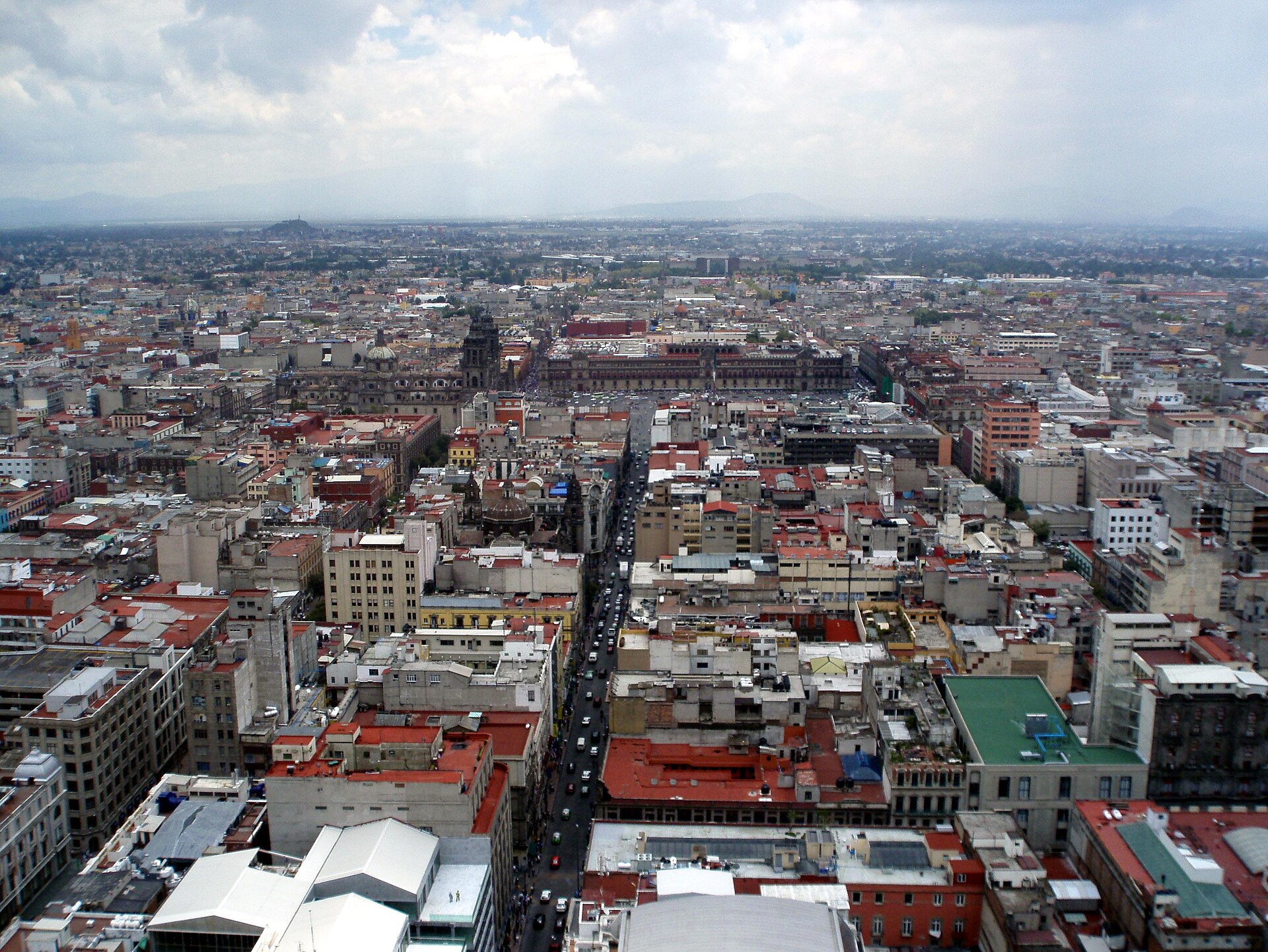
The view over the Centro Histórico: Mexico City seen from Torre Latinoamericana by Dag Lindgren, CC BY-SA 3.0, via Wikimedia Commons.
Iztaccíhuatl from Paso de Cortés: La Mujer dormida by Kaari Hart, CC BY-SA 3.0, via Wikimedia Commons.
The Laguna del Sol, Nevado de Toluca: Lago del Sol, Nevado de Toluca (México) by Juan Carlos Fonseca Mata, CC BY-SA 4.0, via Wikimedia Commons.
Pico del Águila, Ajusco: Pico del Águila, en el Ajusco by Gerardo Noriega, CC BY-SA 4.0, via Wikimedia Commons.